
Chlorosis
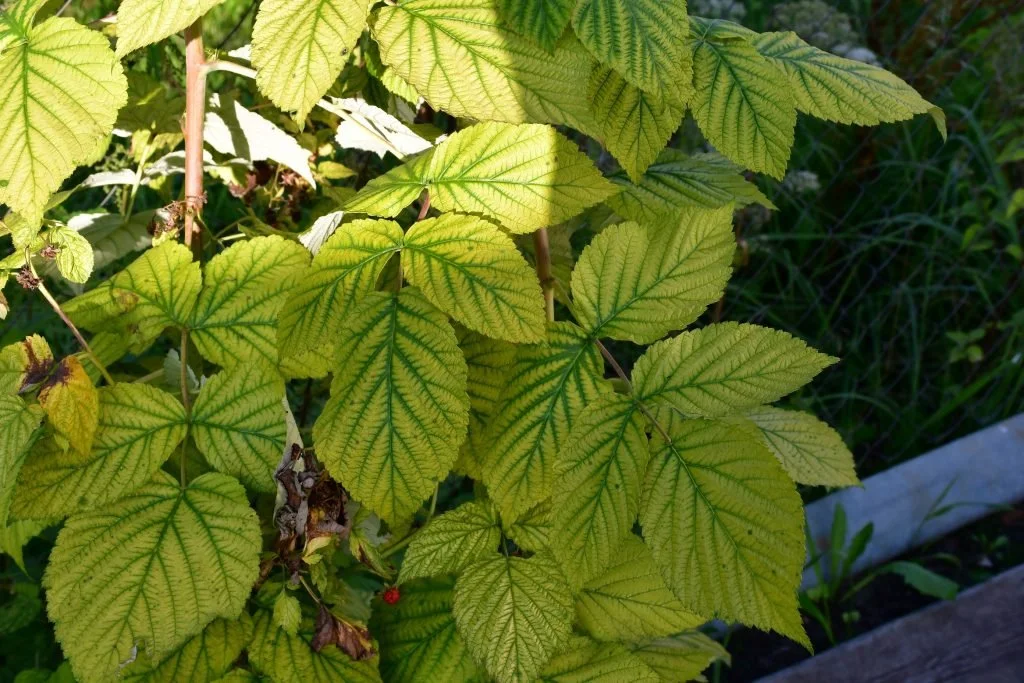
typical chlorosis - yellow leaves with green veins
The word chlorosis is derived from the Greek - kloros - meaning "greenish-yellow".This condition is when leaves produce insufficient chlorophyll. Because the pigment chlorophyll is what makes leaves green - chlorotic leaves look pale, yellow, or yellow-white. Many time the inter-venal tissue is also lighter than the rest of the leaf. This color contrast is a clear indicator of chlorosis.
Without chlorophyll the plant has no ability to manufacture sugars. It may die unless the cause of its chlorosis is treated. Keep in mind - it is actually a symptom – like saying “I have a headache”. Unless you determine the cause or source you will never be able to treat it properly.
CAUSES
Mineral Deficiency
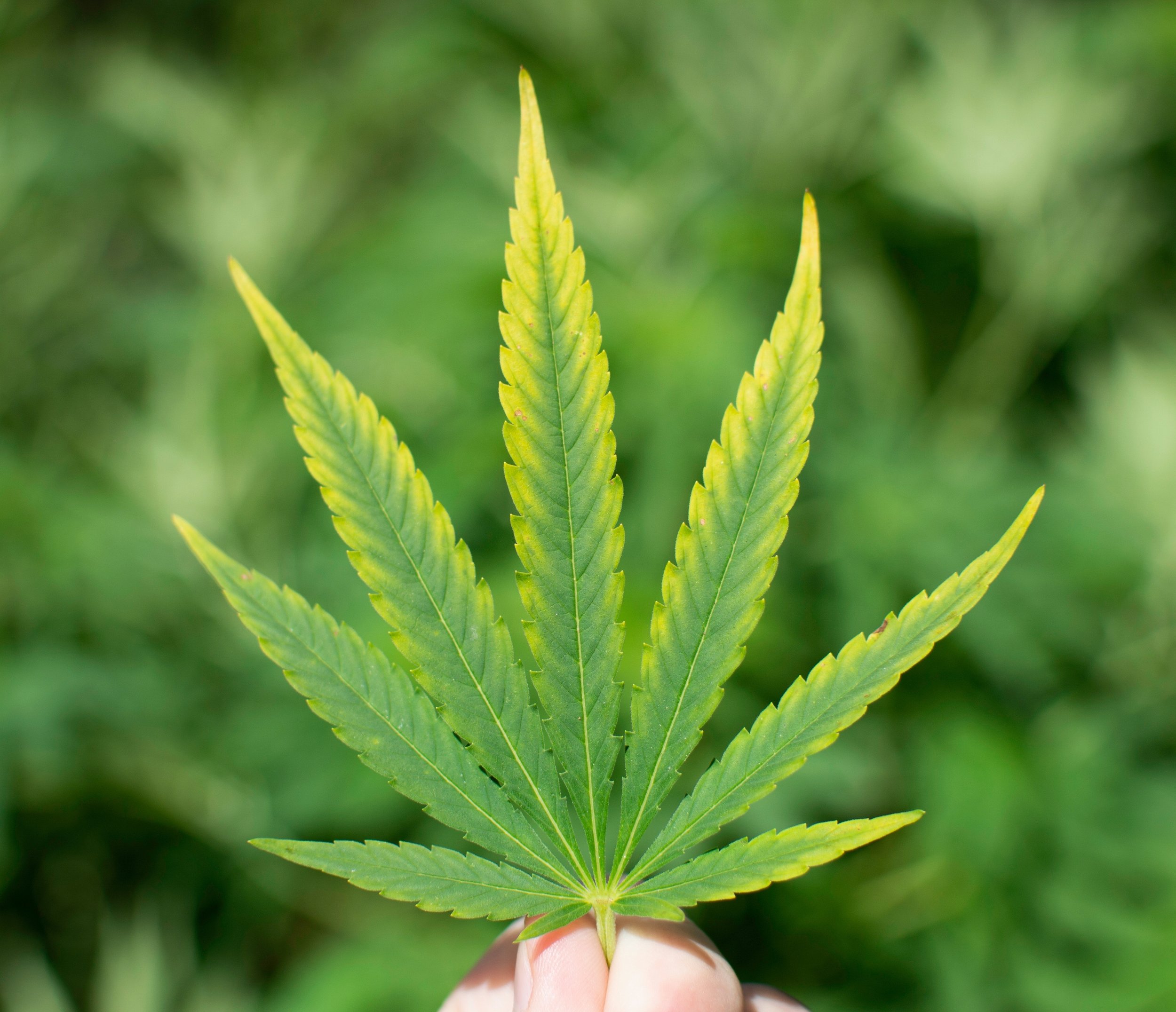
Specific mineral deficiency in the soil from lack of Iron, Magnesium or Zinc will cause chlorosis.
Magnesium chlorosis usually starts on the leaf margin
Most fertilizers will have adequate amounts needed by the plant. If you are fertilizing routinely – then this may not be the cause.
Nitrogen Deficiency
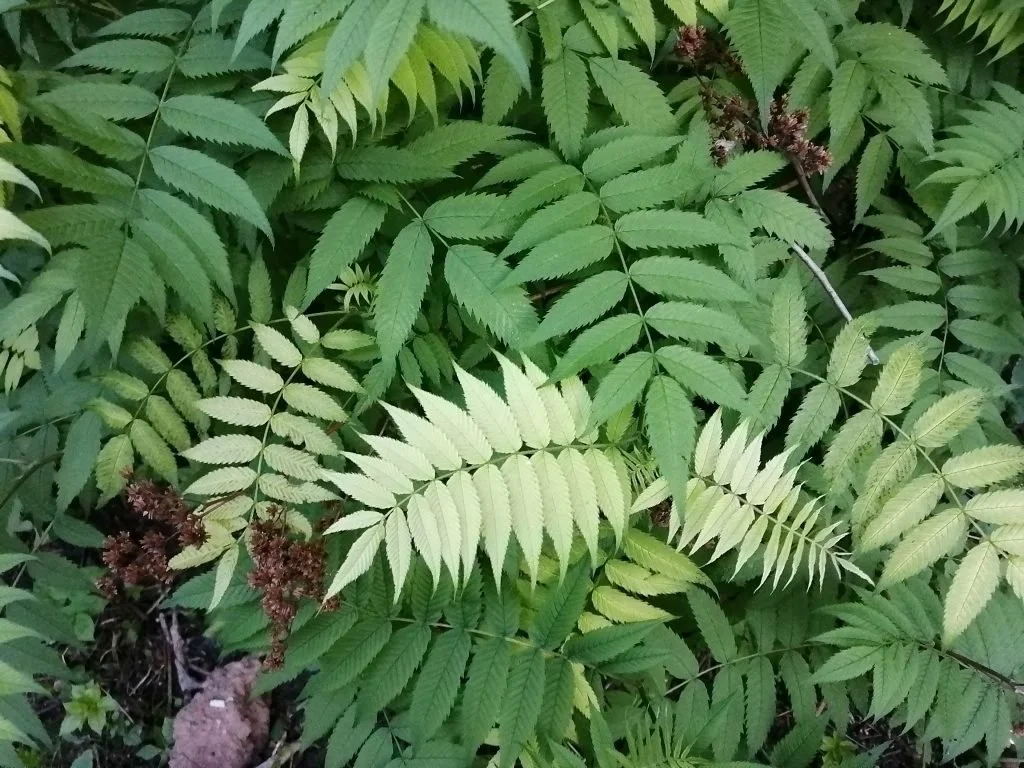
Nitrogen chlorosis shows as an entire pale leaf
This is directly related to watering too frequently or as a side effect of irrigation systems in containerized plants. Also common in sandy soils where the Nitrogen is leached out. The same is true for any Sulfur in the soil. Additional applications of fertilizer are required for these situations.
It can also be triggered by the lack of nitrogen fixing bacteria in the soil. Most fertilizers with a bacterial inoculant in it solve this issue.
Wrong pH
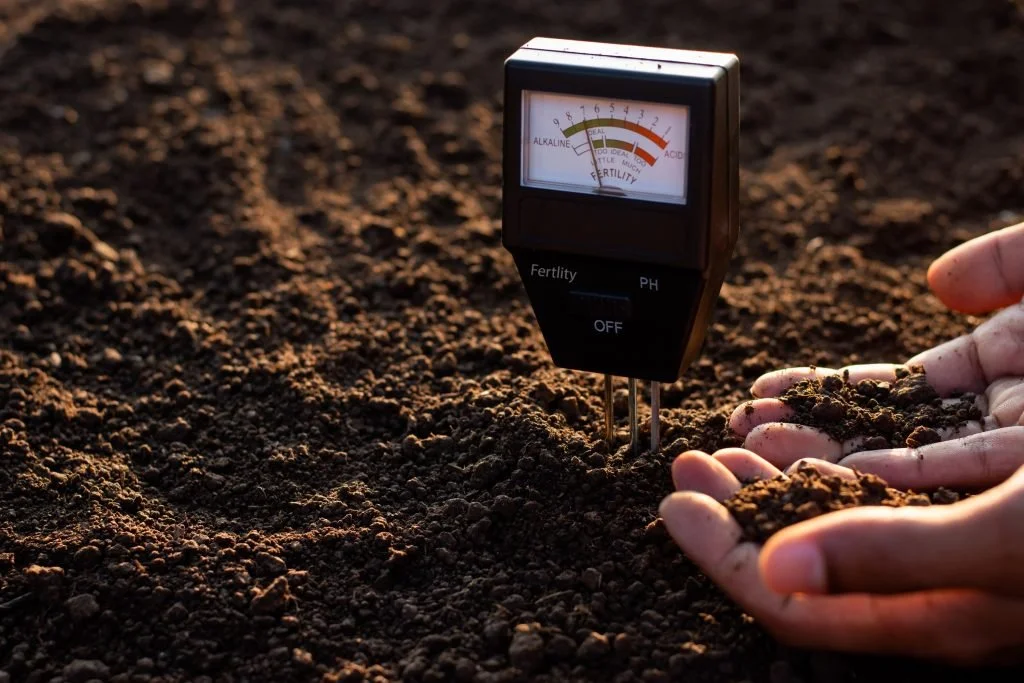
pH soil meter
The soil pH determines which minerals become available for absorption by the roots. Most of the plants we use in gardens are neutral (7) or acid loving (below 7) plants. They all require a low pH. Some like azaleas and Rhododendron prefer it as low as 5.
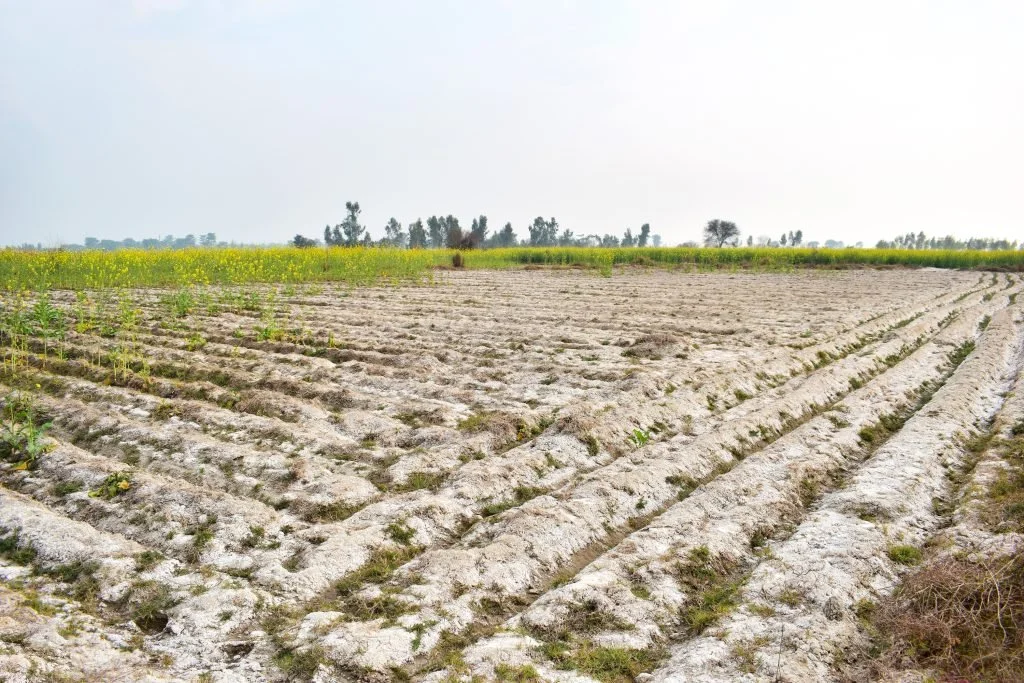
chalky and white is characteristic of a pale alkaline soil
If the pH is 7 or higher (alkaline), then many minerals do not get dissolved and taken up by the plant. The soil could be full of fertilizer, but the roots can’t absorb it! Soils high in limestone have a hard time absorbing minerals, as do soils affected by winter salt and cement dust.
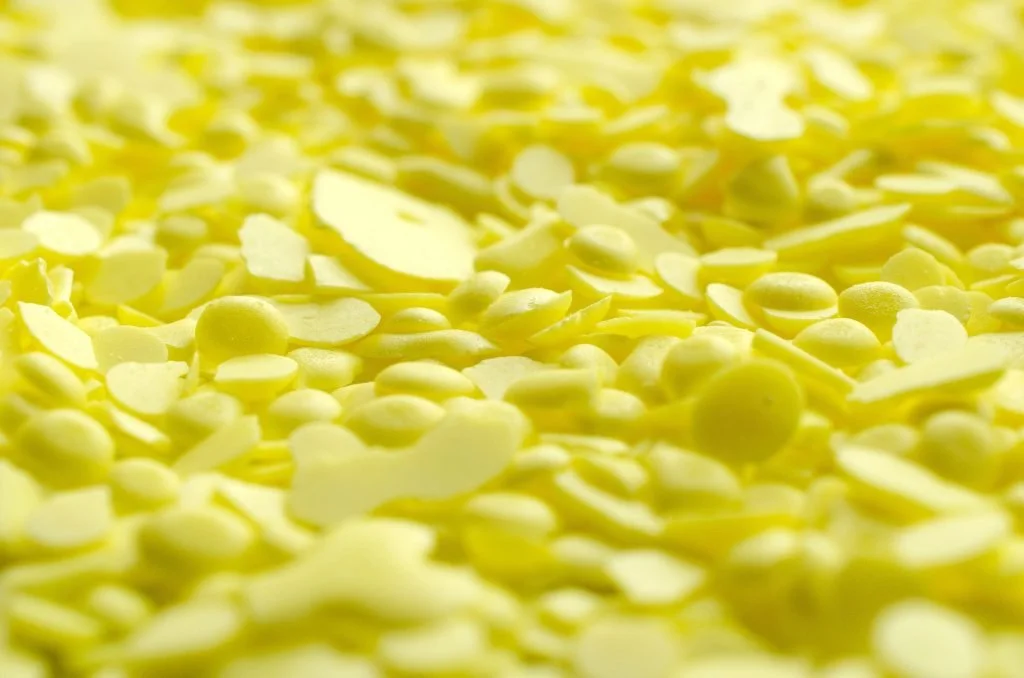
sulfur granules - available at a garden center
Alkaline soils do not have the ability to break down certain minerals like Iron and Magnesium. Plants that evolved in Alkaline soils use other minerals in their photosynthesis.
What to do
Test your soil and determine its pH. Then compare that to what that species likes or prefers. In order to treat the soil - you add sulfur to acidify, and calcium to alkalinize the soil.Sulfur added to the soil is broken down by Thiobacteria which use it as their fuel source. They excrete a by product called sulfuric acid ! That is how the soil becomes more acid. The acid in turn breaks the minerals apart into ions and the roots can absorb these mineral ions into their tissues.
Calcium will raise the pH and make some minerals like Iron unavailable which enabling others like Aluminum to be absorbed.
Waterlogged soil
For most plants, poor drainage or waterlogged soils are unable to produce ions of the minerals needed. There is simply too much water surrounding the roots for ions to form. However, some plants adapted to this environmental condition and do quite well. For example, Azaleas grow best in wet acidic soil and rice is unharmed by sitting in water.
Damaged roots
Roots damaged by certain stresses are unable to take up fertilizers. These include extreme heat, soil that is hot and over 95*F, and soil drying out. Too much fertilizer given at once, chemicals or cleaning solutions will also stress or damage the roots. Sometimes pesticides, or even insects or diseases will damage roots to the point of not absorbing fertilizer.
Compacted roots
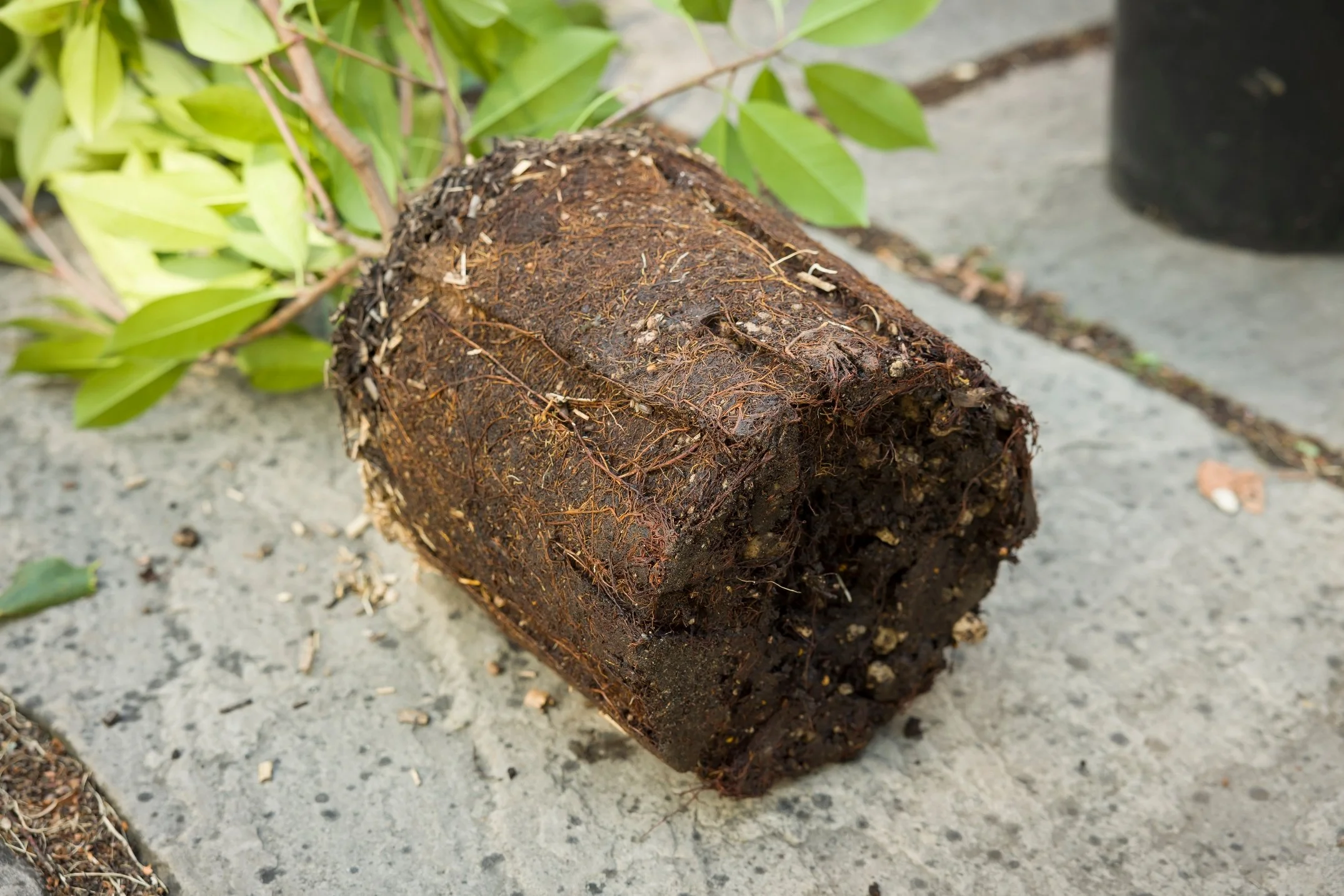
no white roots here !
Root compaction means there are no new roots being formed anymore. The soil’s compaction simply won’t allow any more to be produced. Its bad news because those small, new, white, thin roots that are responsible for absorbing most of the nutrients !
Repotting into a larger container is not always desired or possible hence you do something we call a root pruning and soil replace. Simply dig into the container at the four corners removing soil and roots and replace with fresh new soil and fertilizer. Avoid any roots thicker than your pinky. Do this every year, once in Spring and once in Fall to alleviate the compaction. Rotate the places you work the soil every other year.
Exposure to Sulfur Dioxide
This was a typical issue found on plants in driveways and port cochere with a lot of traffic. Hotel and parking lot entrances are a good example of this situation. The fumes from vehicles produce a lot of this gas. It is much less common nowadays with our cleaner gasoline.
Bacterial or Fungal Infection
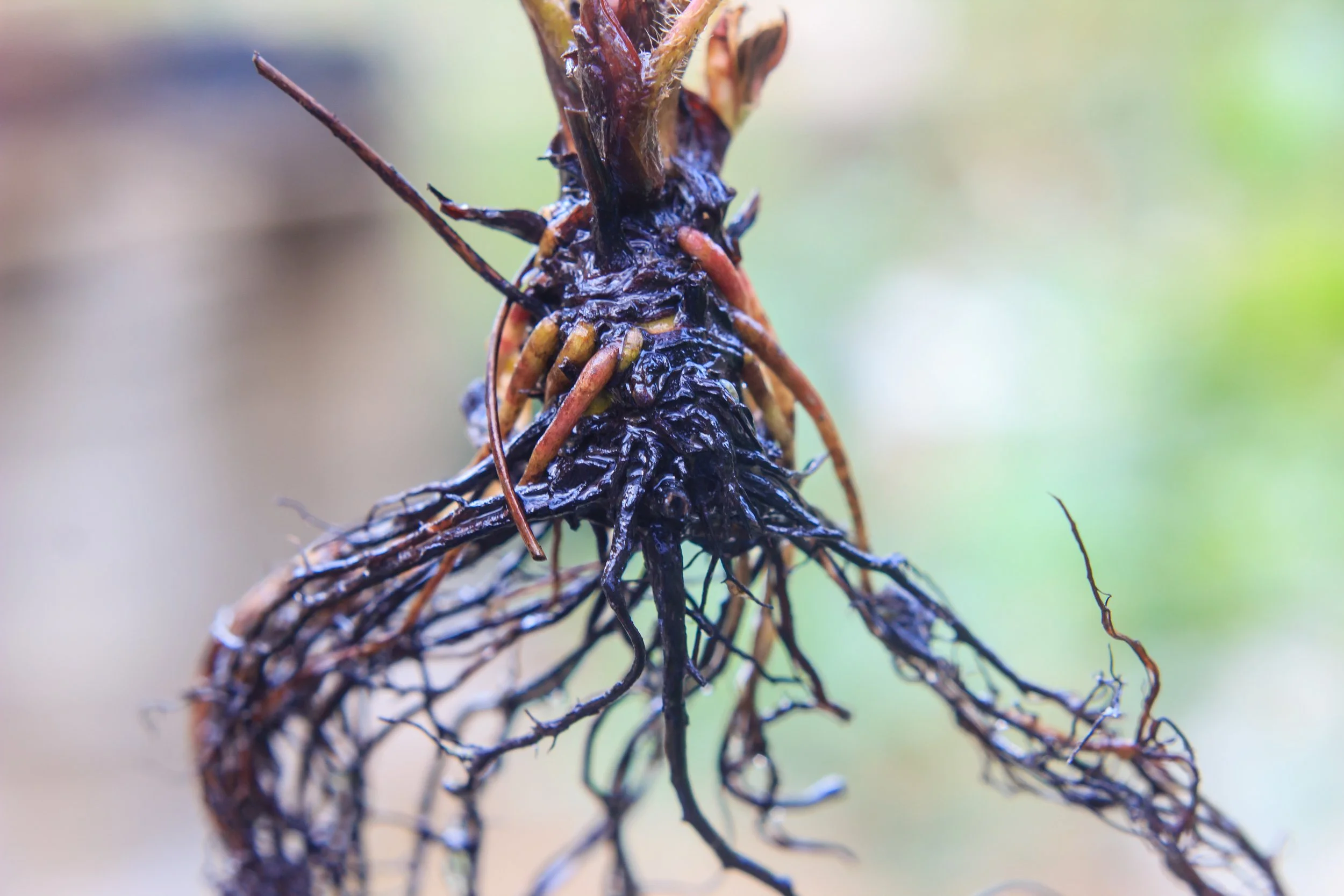
blackened roots caused by P syringae
Pseudomonas syringae pv. tagetis causes complete chlorosis on some plants.
The underlying issue is that this bacteria only does well in wet or soggy soils. Improving the drainage may help but in many cases by the time you notice the chlorosis it’s too late to save the plant since Psedomonas is usually lethal.
Not sure why your leaves look pale or chlorotic !
Call us - we have the know how to fix it !
PLANT SPECIALISTS
GREENING NEW YORK FOR OVER 53 YEARS !
Article written by our Staff Horticulturist, Peter B Morris, BSc, MSc, MBA
All photographs used with permission @SHUTTERSTOCK