Introduction
High temperatures significantly impact leaves by disrupting their internal chemistry, water balance, and physical structure. While plants use transpiration to cool their leaves, extreme heat can overwhelm this defense, leading to cell death and visible damage.
When leaves are exposed to temperatures typically above 95*F they show signs of distress.
Visible Symptoms of Heat Stress
Wilting and Drooping - Leaves become limp as they lose water faster than roots can absorb it.
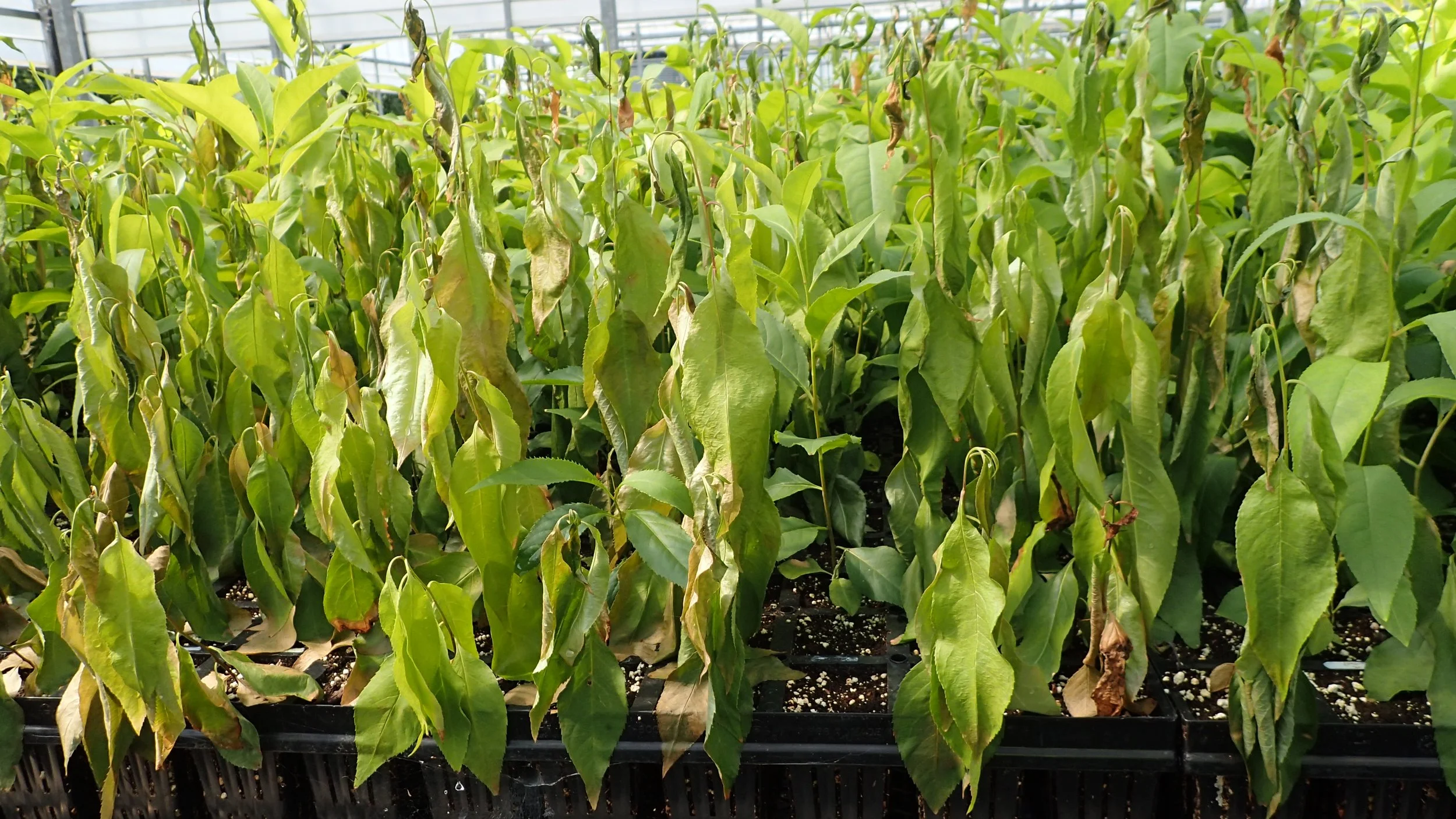
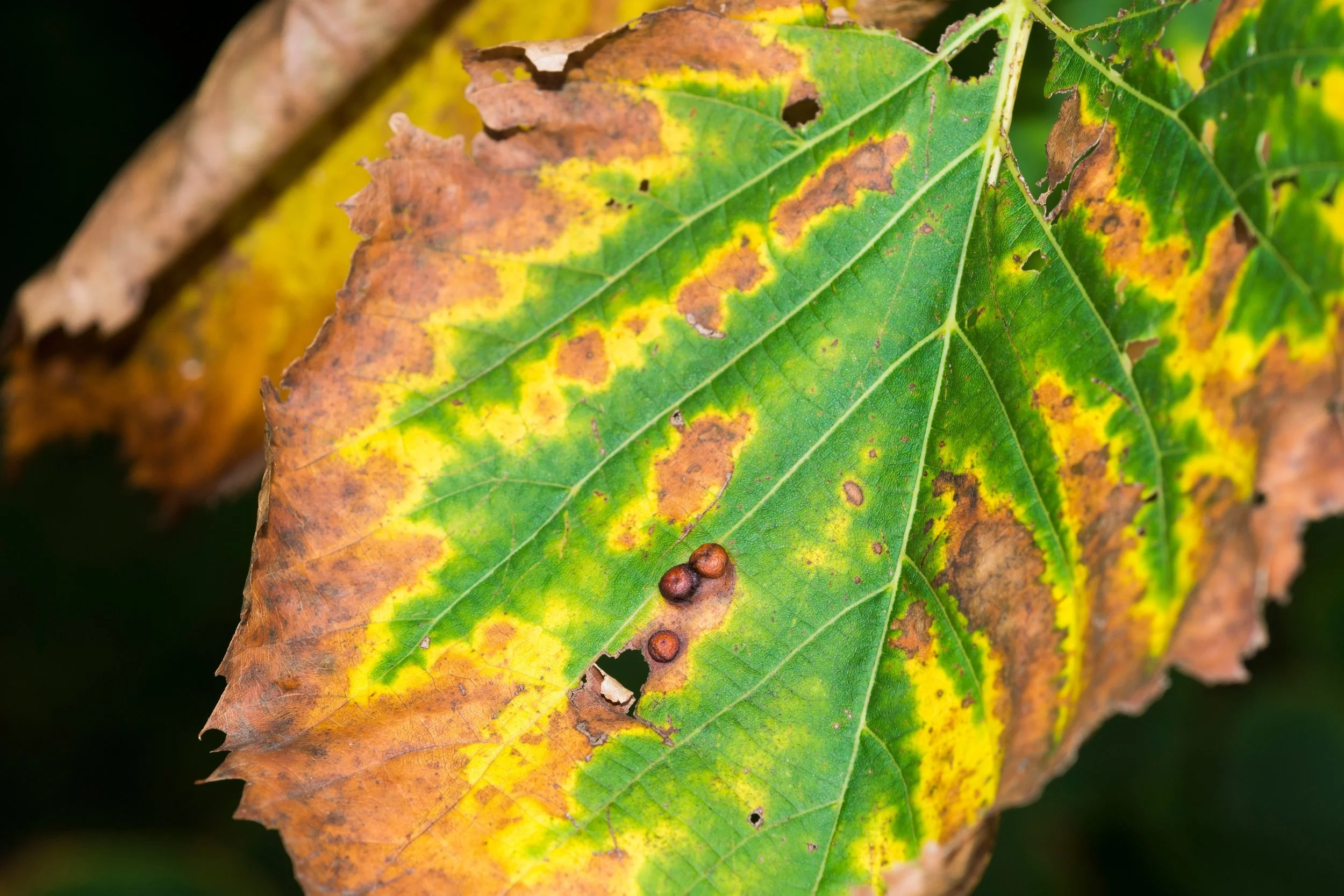
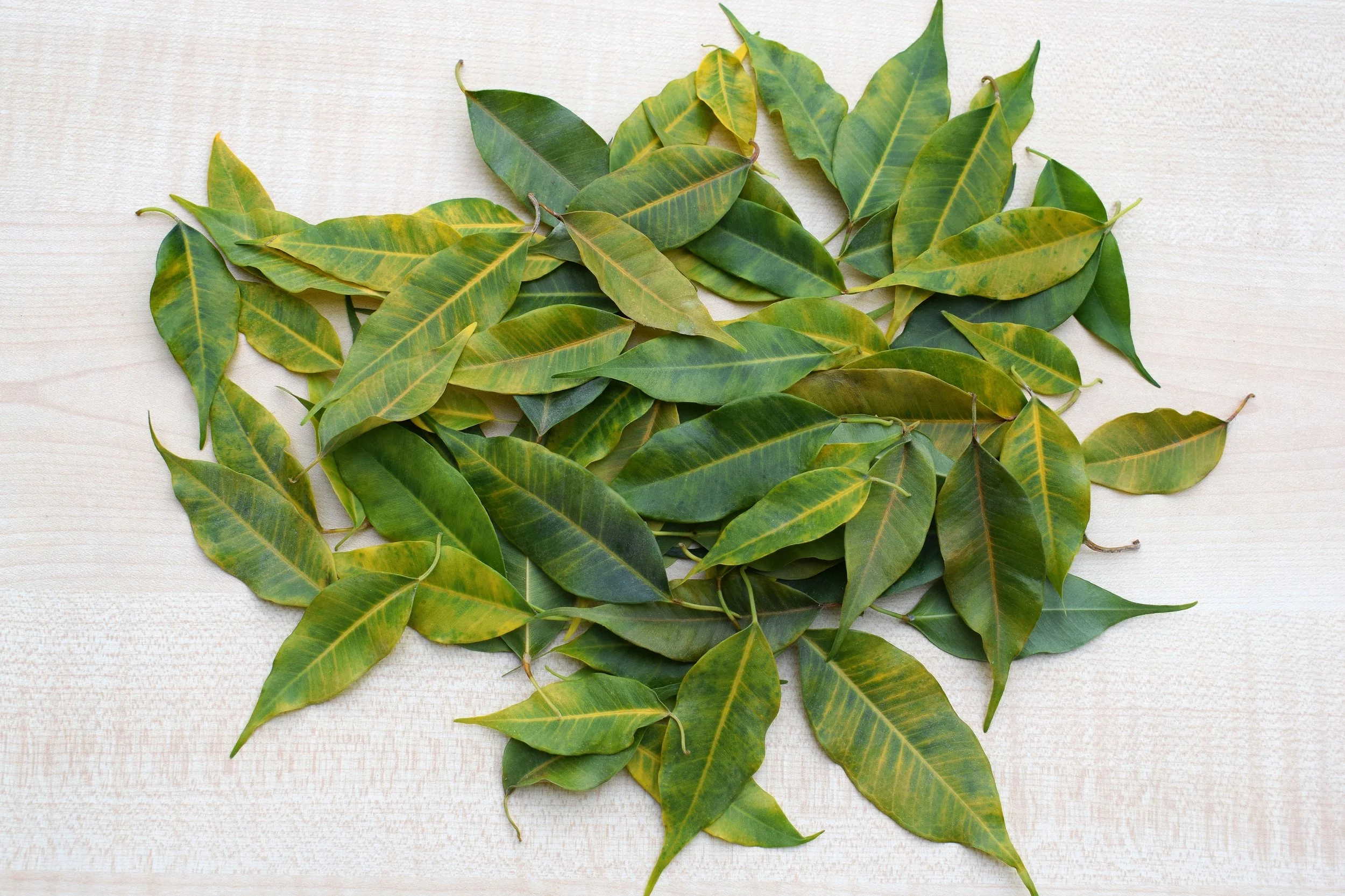
Leaf Scorch – Cooling requires more water than the leaf can receive. This Insufficient water in the leaf itself causes brown edges and tips to dry out. In some leaves this progresses where some leaves turn yellow, then brown, and finally become "crispy."
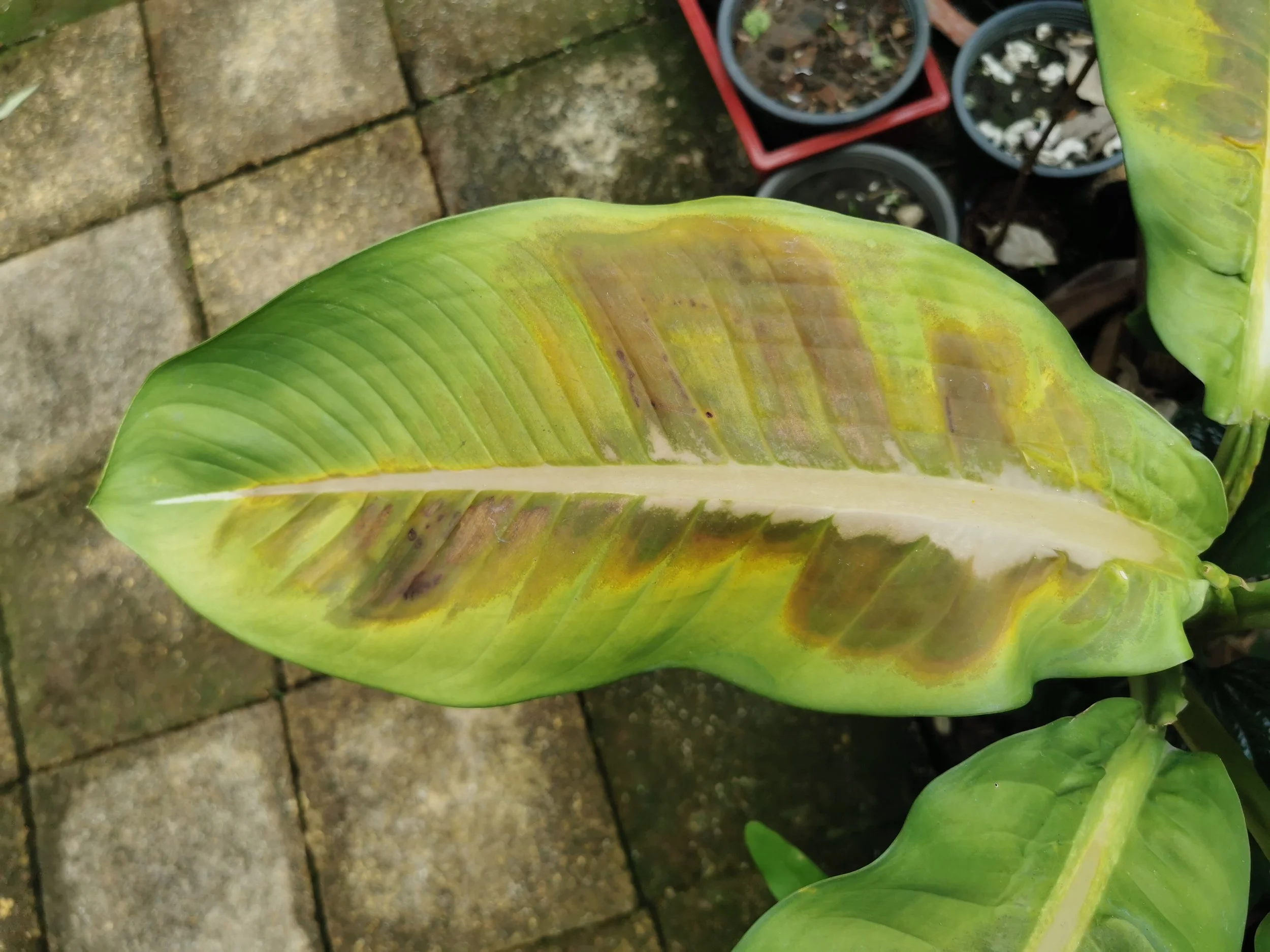
Sunburn - Bleached or white patches can appear where intense light has damaged the tissue.
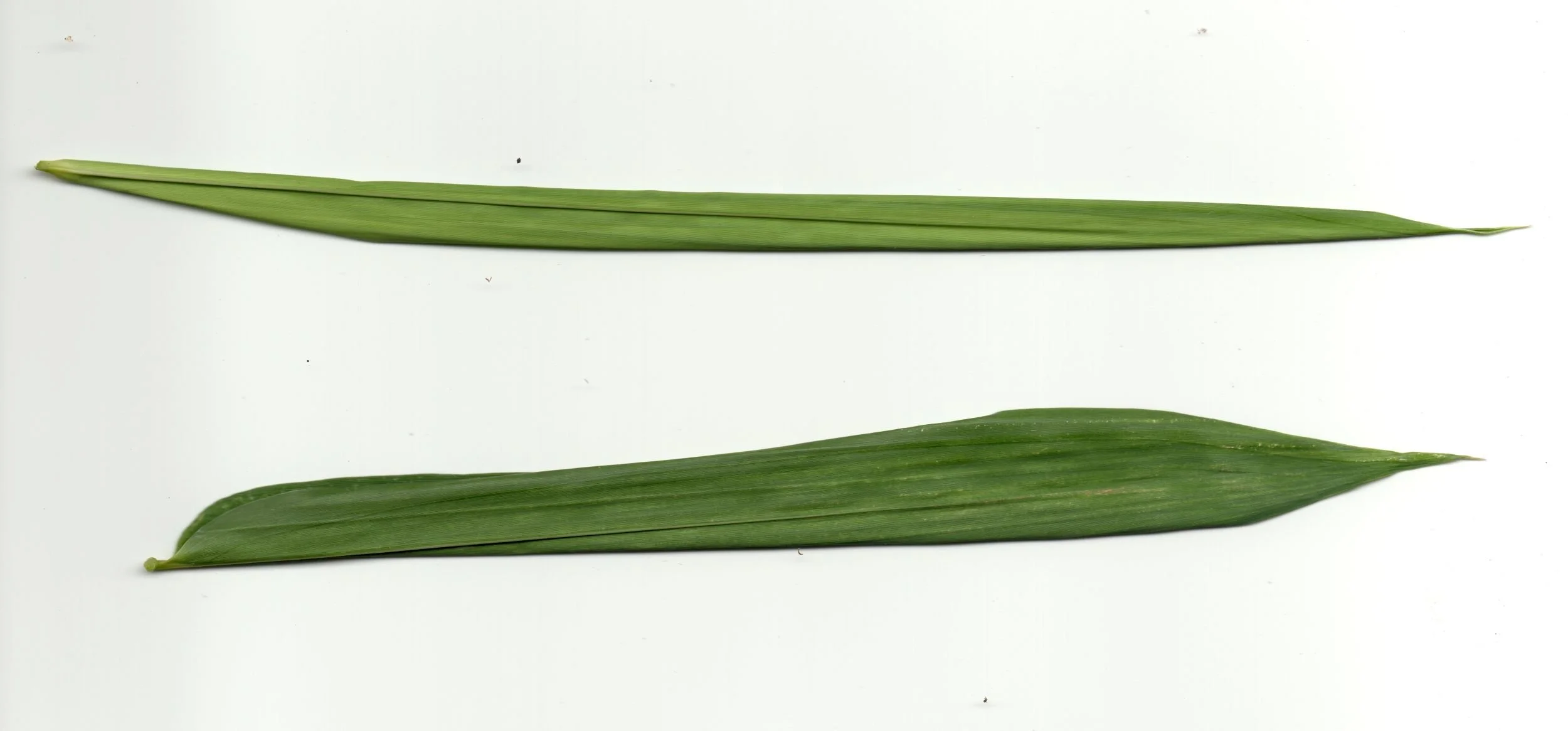
Rolling and Cupping - Some plants, like tomatoes and corn, bamboo, and most grasses will curl their leaves inward to reduce surface area and minimize further water loss.
Premature Leaf Drop - To conserve energy and water for the rest of the plant, some species will shed their leaves early during a heatwave. Leaves are usually partially green or pale. Sometimes fruiting trees will drop their fruit as well.
Physiological and Chemical Impact
Extreme heat alters the leaf’s metabolism - photosynthesis is disrupted or stopped entirely.
Plants "breathe" faster in the heat consuming stored energy faster than they can produce it - especially during warm nights.
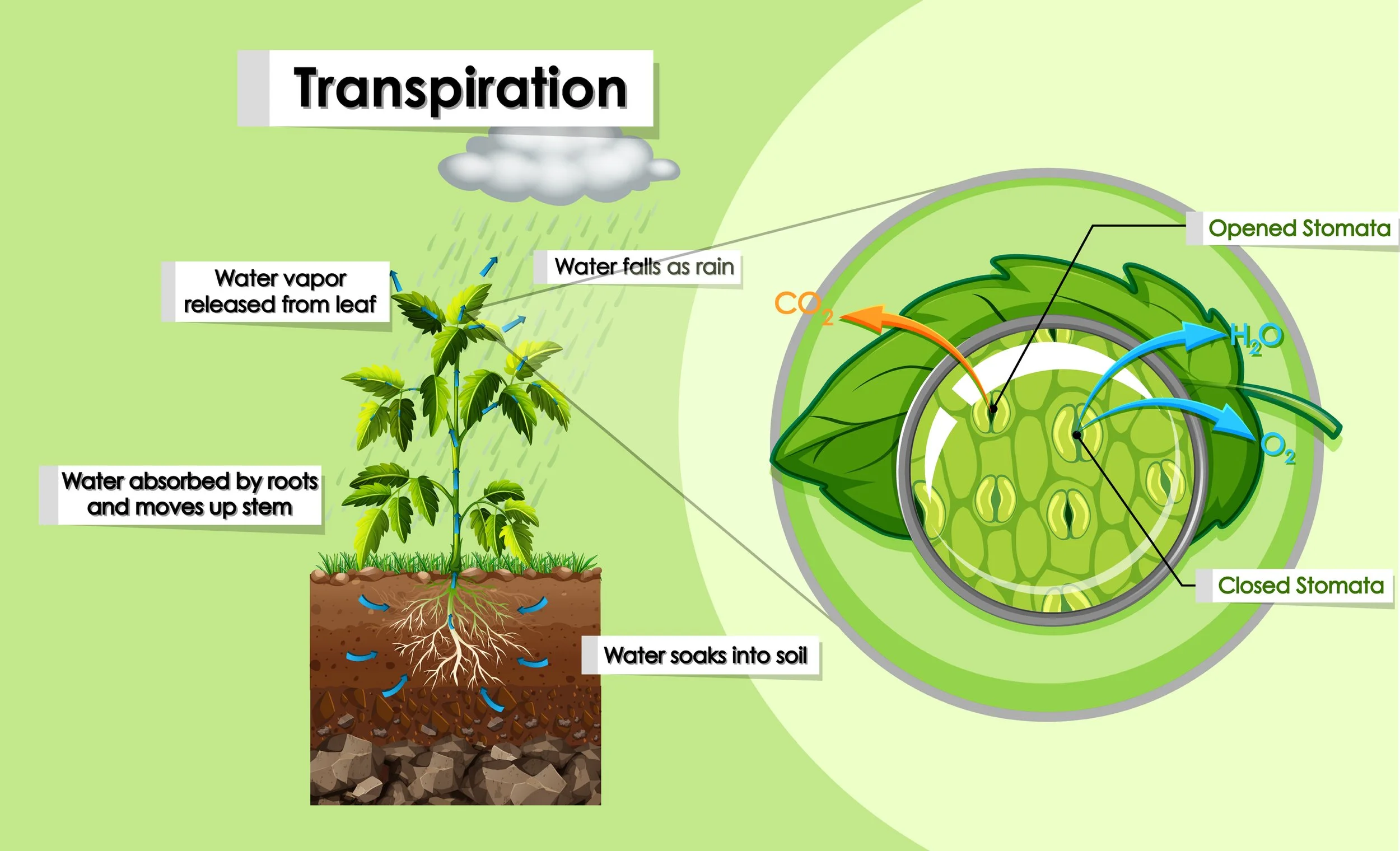
To prevent dehydration, leaves close their tiny pores (stomata). It saves water but stops the intake of CO2, halting photosynthesis.
Heat causes the accumulation of reactive oxygen species (ROS), which is essentially hydrogen peroxide. It can harm cell membranes and proteins, potentially leading to rapid cell death.
How to protect your plants from an upcoming heatwave
Focus on blocking the most intense UV rays by using proper placement in the garden layout. Rooftop plants are especially vulnerable because they also face "reflected heat" from roof surfaces.
Since they are in containers, they lack the natural cooling provided by the earth's mass. Insulated or double walled planters can help reduce soil temperature by creating a buffer zone. White or lighter colored planters also absorb less heat.
Placing more sensitive plants in protected spots to reduce the risk extreme evaporation from wind.
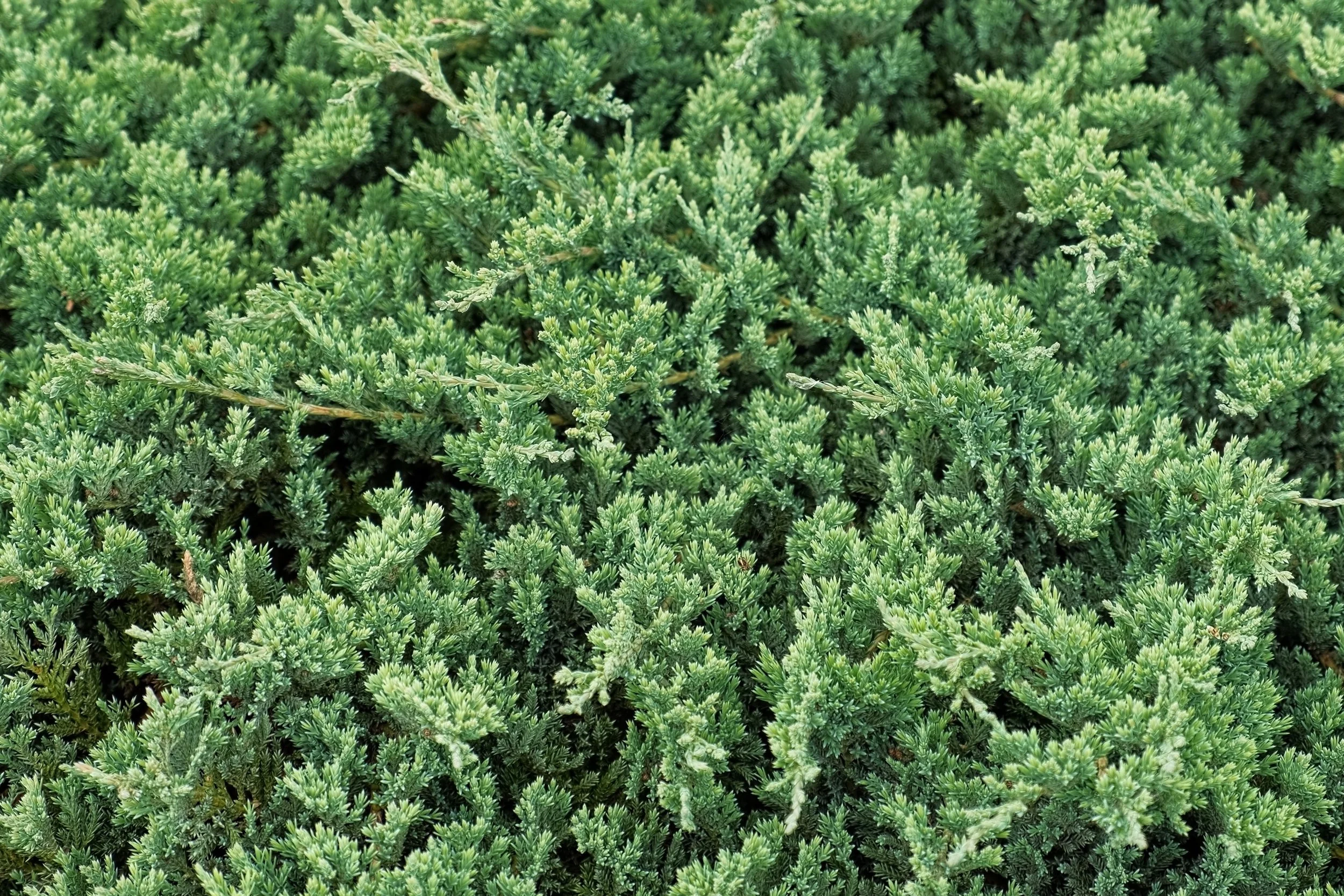
Careful using some of the needle evergreens. - slow-growing conifers like Chamaecyparis Obtusa are especially sensitive to root overheating. Juniper procumbens however nana will thrive in the heat !
Water plants early in the morning so they are fully hydrated before the noon sun hits.
Mist the area around the plants to lower the air temperature through evaporation. Do not wet the leaves as this will promote disease.
Group smaller pots together. This creates a mini "microclimate" that retains humidity and reduces the surface area exposed to hot air.
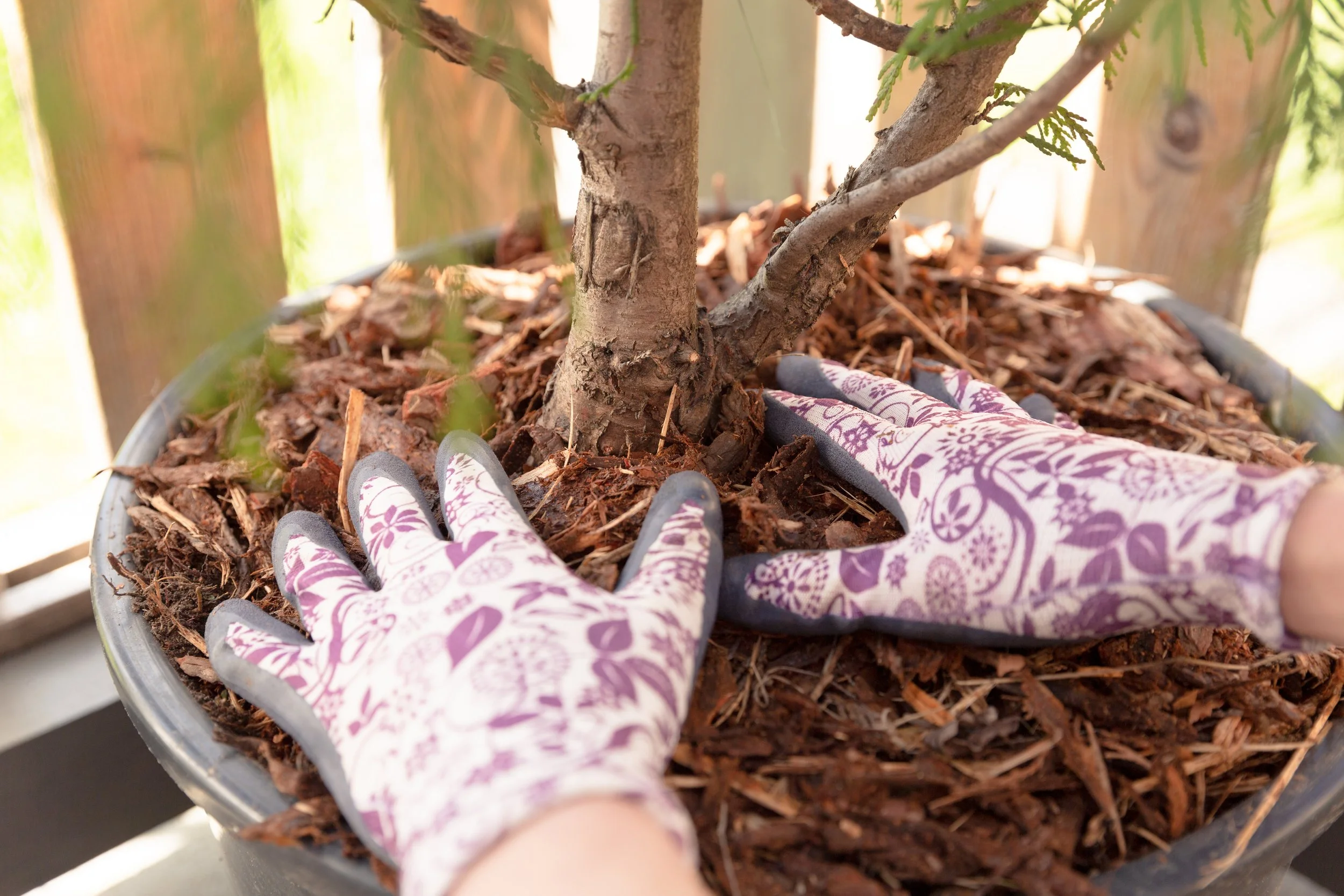
Apply a 2- to 3-inch layer of light-colored mulch to the top of all pots and beds. This acts as insulation, significantly reducing soil temperature and water evaporation.
If the wind conditions permit use a shade cloth to block the harshest rays (10 AM to 4 PM). Ensure it is suspended at least 2–3 feet above the plants to allow for airflow; draping it directly on the leaves can trap heat. A standing garden umbrella will also work, as will an awning. Do not leave awnings, umbrellas or shade devices unattended.
Critical “Don’ts” during a heatwave
Do Not Fertilize – It will encourage new, tender growth that is the first to burn in extreme heat.
Do Not Prune - Even if leaves look scorched, leave them on. Wait until the heatwave passes to tidy up.
Do not spray leaves - Avoid Water droplets on leaves – these act like magnifying glasses in midday sun, potentially causing leaf burn.
What can I say – garden work truly never truly ends, even in summer.
If you need some help - CALL US ! - we can help !
PLANT SPECIALISTS
GREENING NEW YORK FOR OVER 53 YEARS !
Article written by our Staff Horticulturist, Peter B Morris, BSc, MSc, MBA
All photographs used with permission @SHUTTERSTOCK