
BEST ANNUALS FOR A COLD SPRING
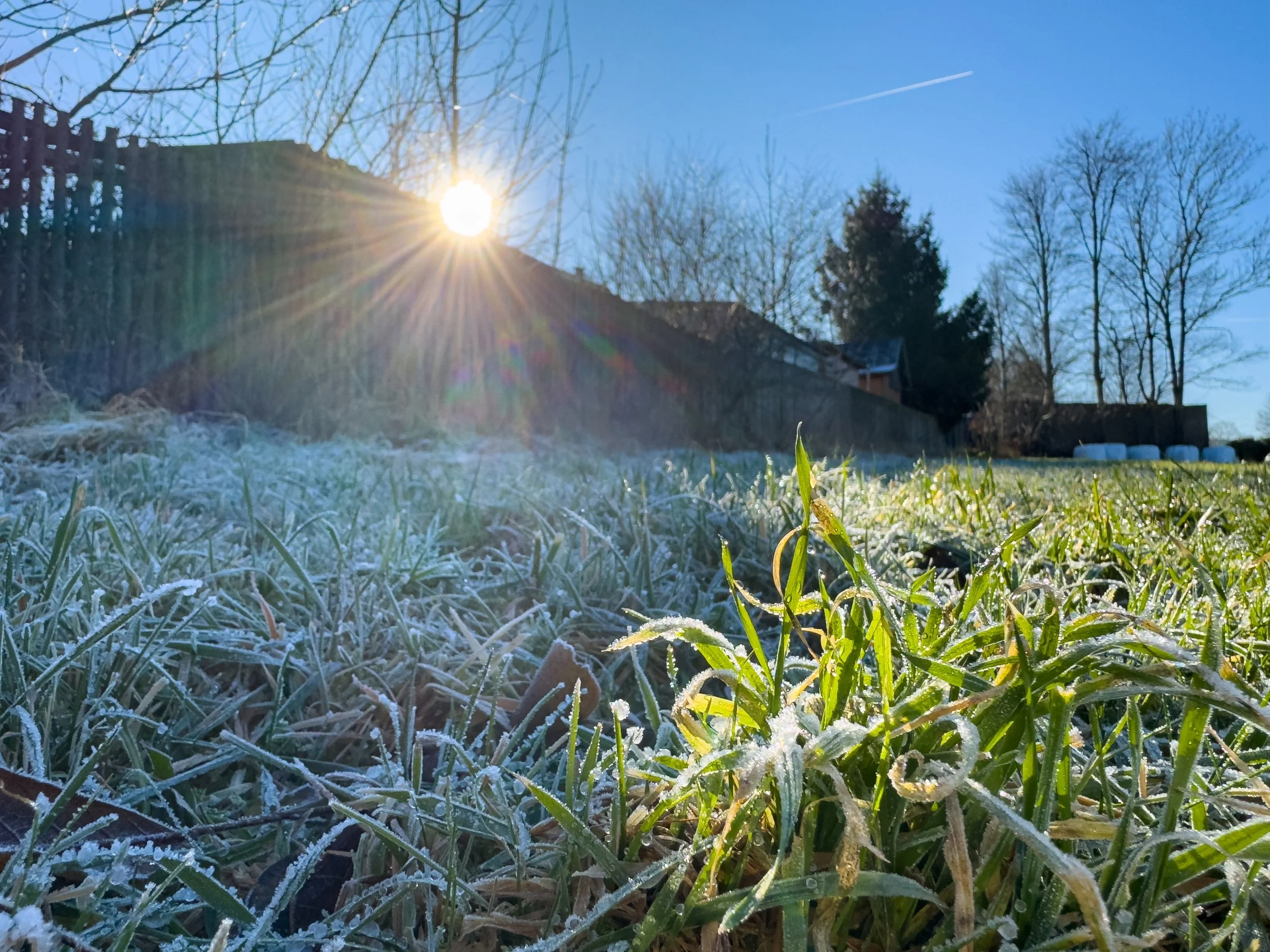
Below are the most successful cool-weather annuals we have used for the early spring. Without a doubt, they inarguably hold up to any sudden cold snap. We find they are the better choice than other spring varieties which may become damaged if the temperature dips to freezing or below.
Alyssum (Lobularia maritima)
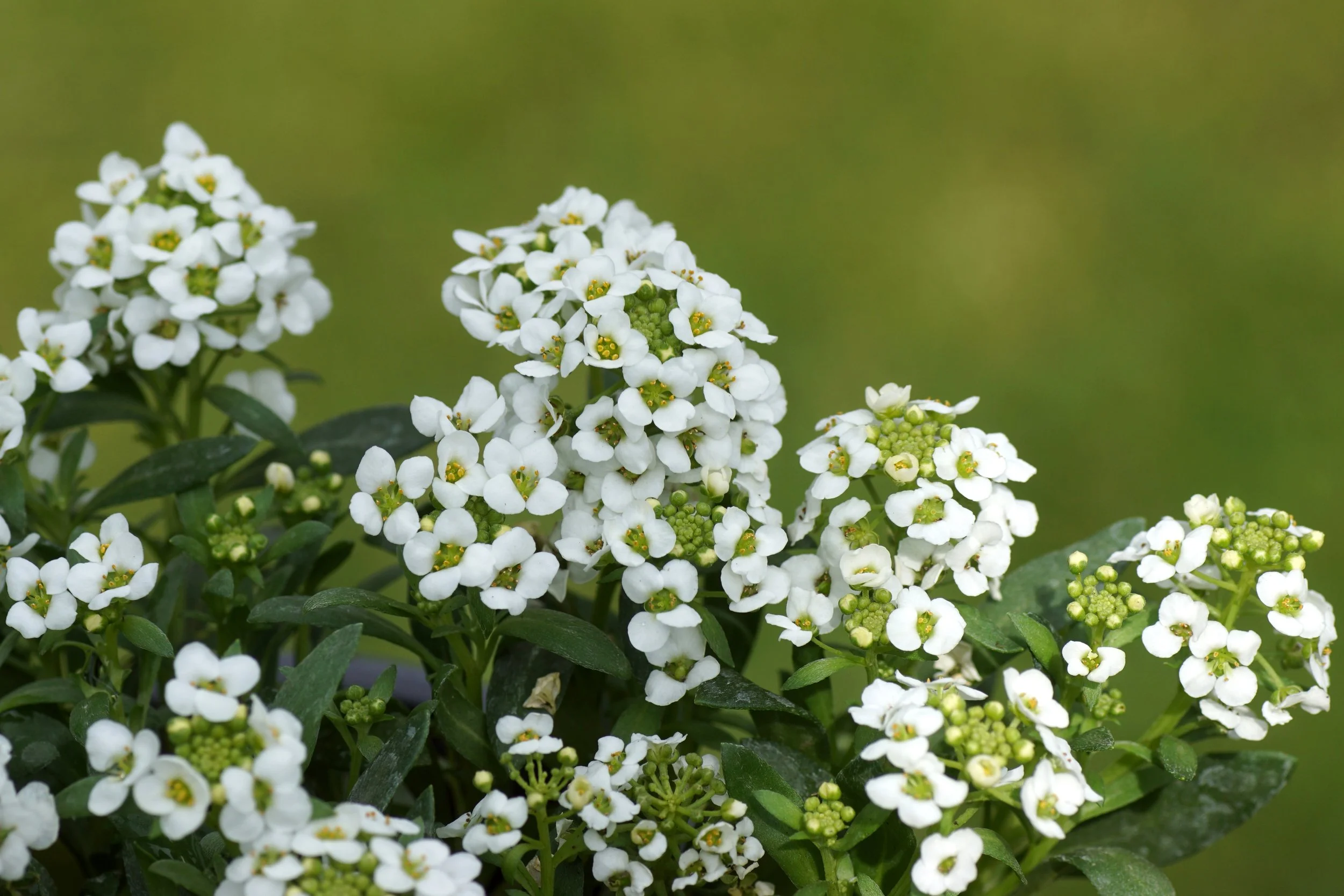
Sweet alyssum is tiny ! (only 4- 6 inches tall), but it’s big on color and fragrance. It produces thousands of tiny white, rose, blue, or bi-colored sweet scented blooms. It’s a good choice for use as a trailer in pots and flower borders. Their nectar-rich blooms are very popular with early spring bees. They prefer full sun, and will tolerate very cool temperatures.
Calendula (Calendula officinalis)

If you like dark golden yellow then this is the plant for you! The bright flowers of calendula are always a reminder that spring has finally sprung. This cheerful, easy-care annual doesn’t let cool temperatures dampen its spirits. In fact, calendula prefers it on the chilly side stopping when the hot summer weather arrives.
Dianthus (Dianthus chinensis)
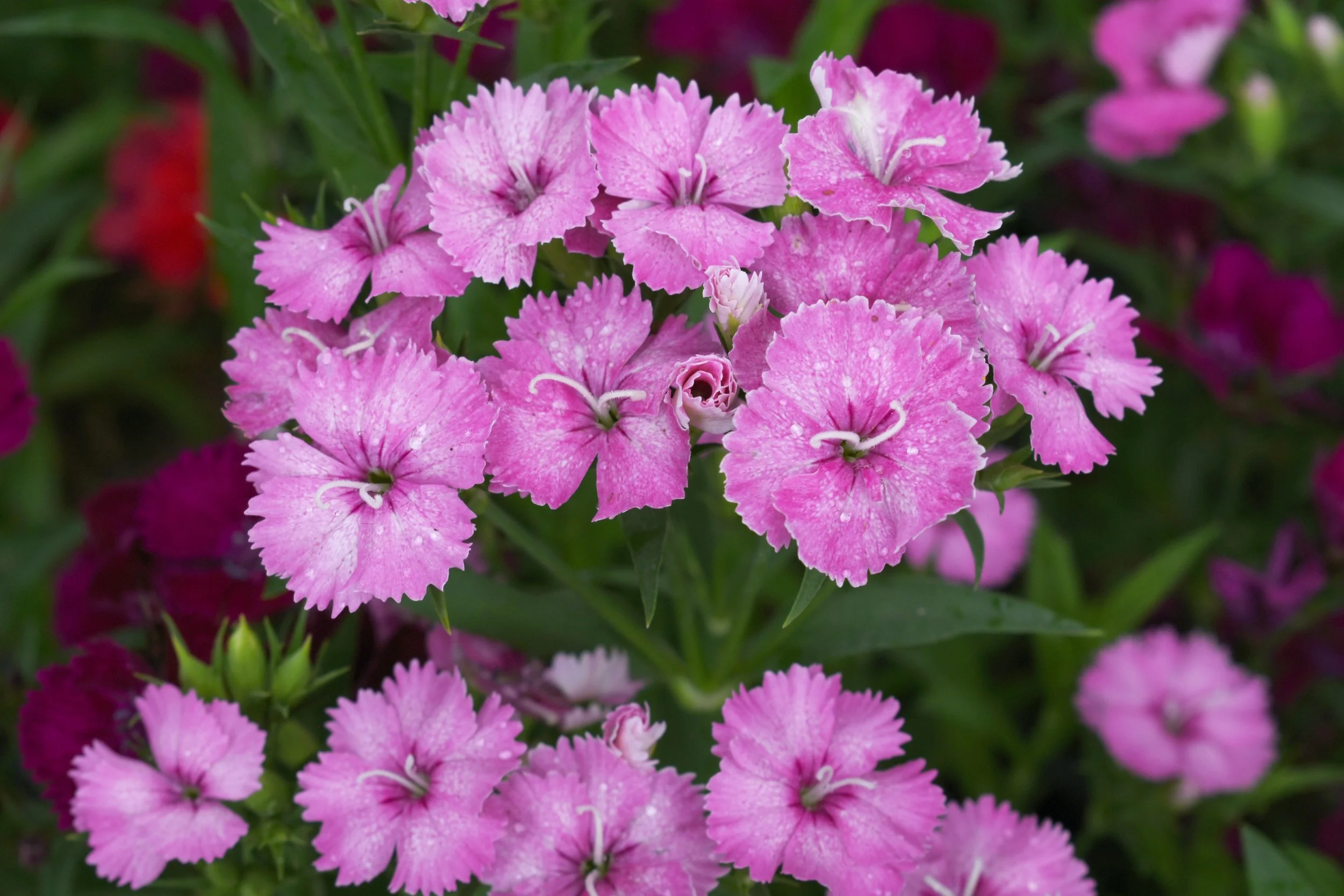
These charming little plants are tougher than they look. They even keep blooming after a light frost. Most grow 6 to 10 inches tall and produce richly fragrant pink, white, or red flowers – or combinations of all three !
Osteospermum (70 species!)

Commonly called the African daisy. This amazing plant produces gorgeous single (sometimes also double), daisy-like flowers in an electric array of colors. The flowers are so striking - you might even be tricked into thinking they aren’t real. Top colors include white, blue, purple, orange, yellow, rose, and lavender. On occasion you can find an orangey red too! They prefer full to partial sun, grows 1 to 2 feet tall and bloom like crazy when the temperatures are in the 50s !
Snapdragons (Antirrhinum majus)
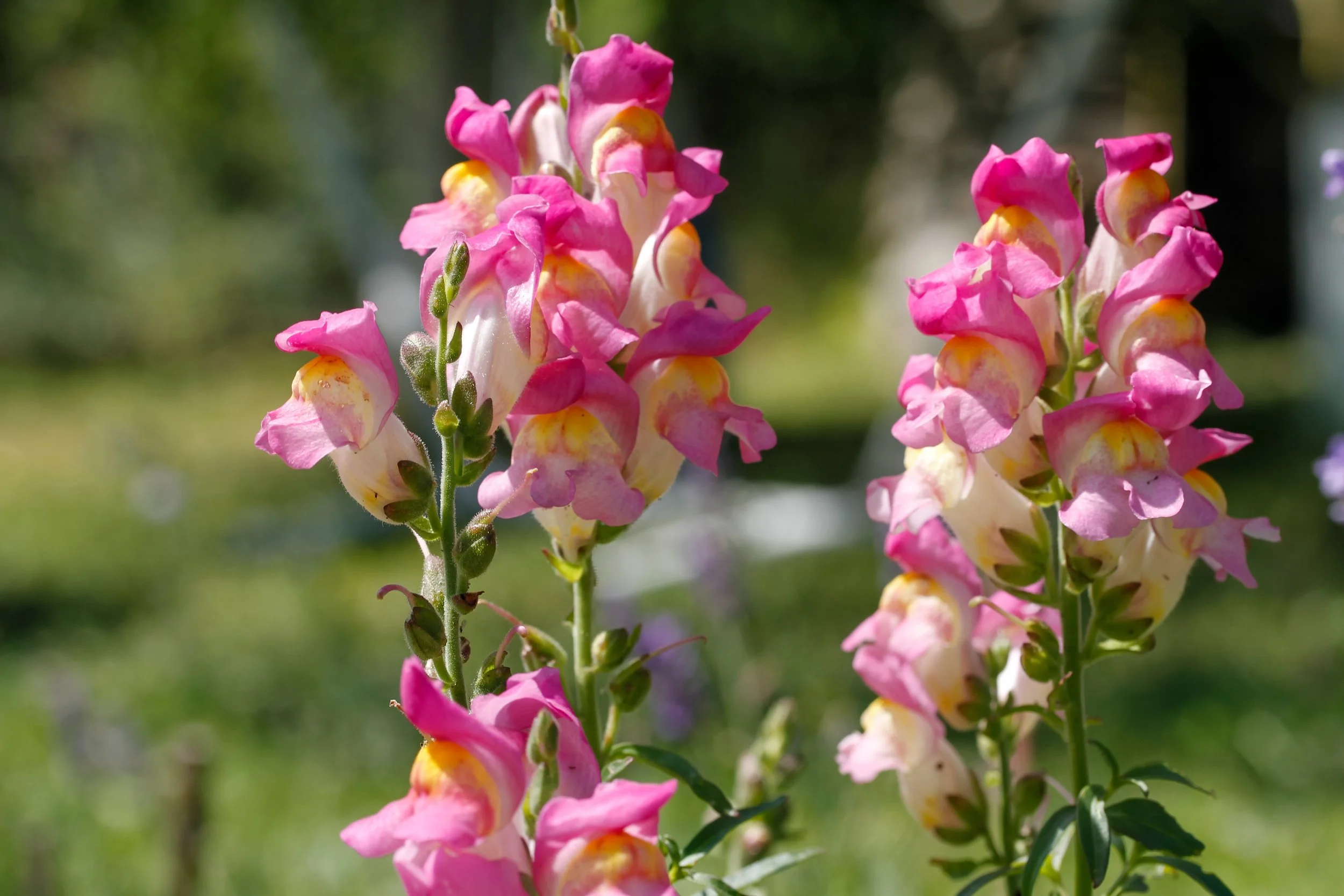
These are available in dwarf, standard, and trailing varieties. They come in an assortment of jewel-like colors. The tall ones stand up at 2 - 3 feet and practically pop out of the garden. Snapdragons prefer a chilly spring and will stop blooming once it heats up.
Pansy (Viola wittrockiana) and Viola (Viola cornuta)
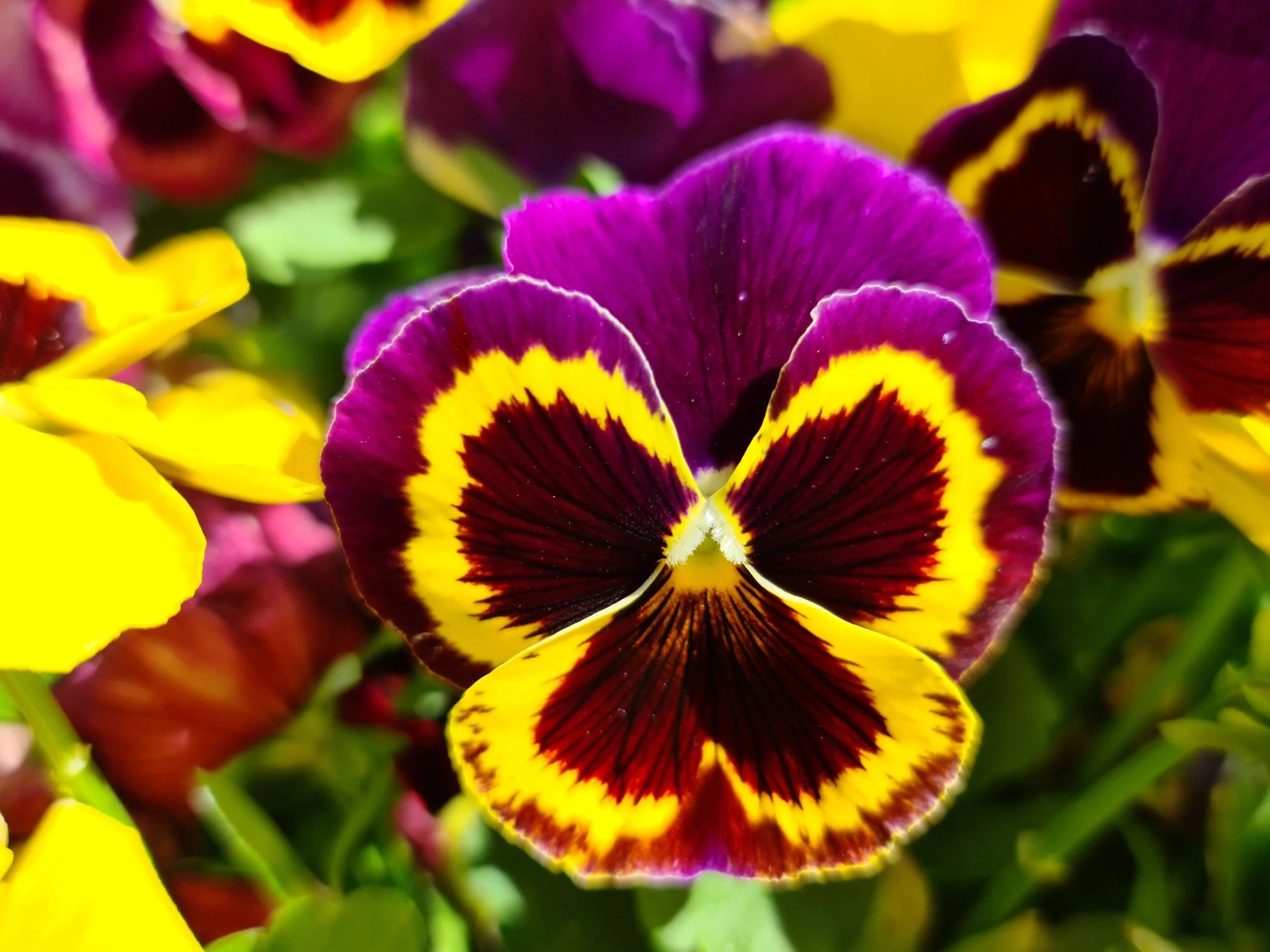
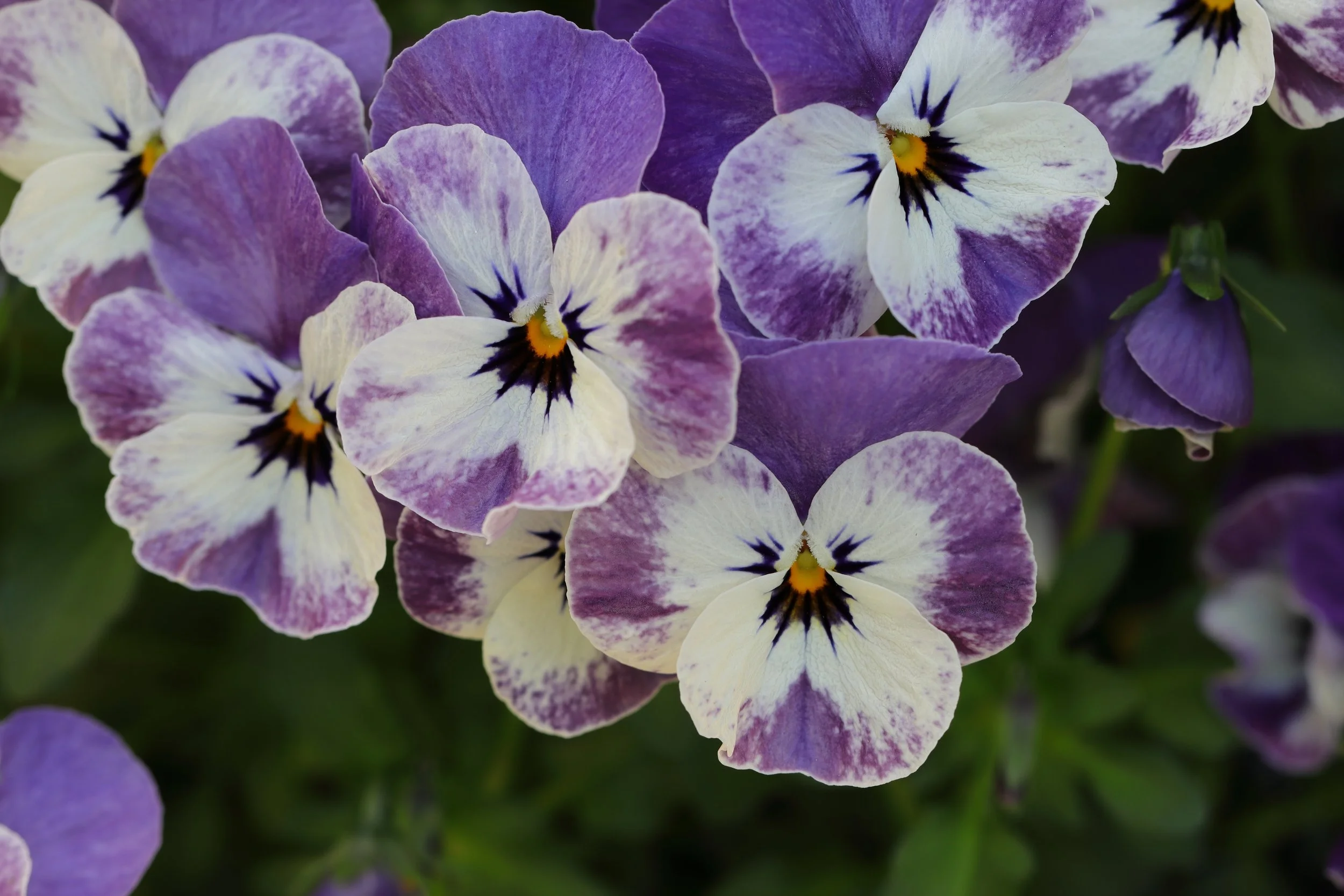
Pansies are the backbone of any garden, and come in a wide assortment of colors and bi-colors. They have super cute face patterns on the petals. Growing 6 to 8 inches tall, pansies are ideal for container gardens or mass plantings.
Viola’s which are related, are a bit smaller but just as pretty and tough! Both love cool weather and will add tons of color to your spring garden.
WANT SOME ? - Call Plant Specialists TODAY !
Our Garden Care team can install some beautiful spring annuals for you.
Don't delay – the sooner the better !
PLANT SPECIALISTS
GREENING NEW YORK FOR OVER 53 YEARS !
Article written by our Staff Horticulturist, Peter B Morris, BSc, MSc, MBA
All photographs used with permission @SHUTTERSTOCK