Wetwood Disease
Introduction
Also known as slime flux, this bacterial infection will cause water-soaked, discolored fluid to ooze from cracks and wounds. These are sometimes foul or alcoholic smelling and may attract insects.
While there is no cure, maintaining tree health through proper watering, avoiding root damage, and ensuring good pruning practices can help manage the infection. It may actually stop on its own after a period of time.
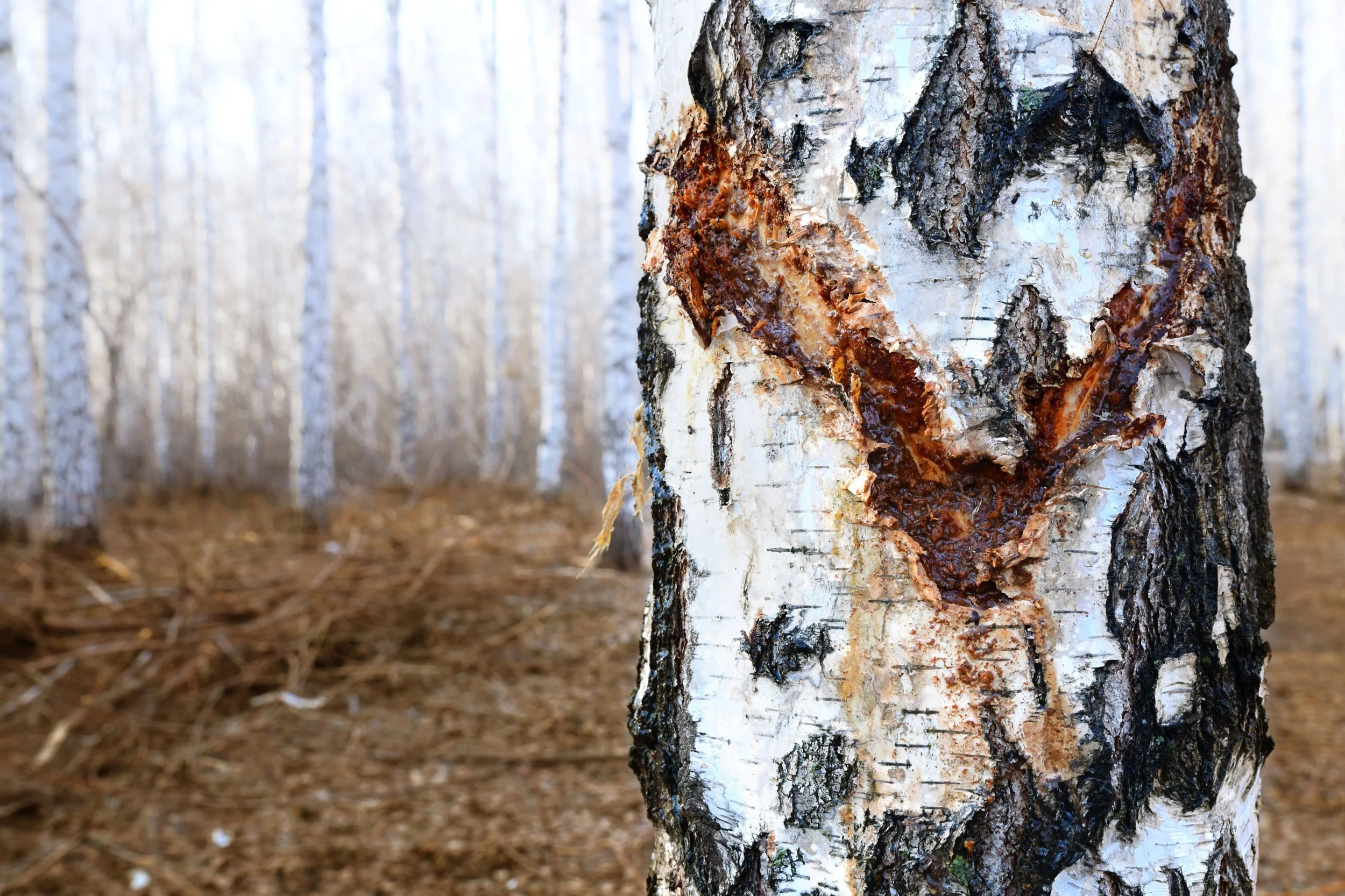
Liquids oozing from trunk
The Icky Part
Anaerobic bacterial infect the wood of a tree by entering through any wound in a trunk, limb or root. Once inside the tree they thrive in the low-oxygen environment present there.
They may multiply within the tree for several years unnoticed and can slowly spread several feet from the initial entry point. As they reproduce, the bacteria produce slimy ooze and methane gas, which builds pressure inside the tree.
Pressure builds slowly, and eventually the bacteria are forced out of the tree through the weakest point available, usually near a wound or trunk crotch. The clear to brown bacterial ooze may seep from the tree continually through the growing season, leaving a yellow to brown stain on the bark when it dries.
Because the ooze seeping from a tree is full of bacteria, it may smell awful. Other bacteria, fungi, and insects may feed on the ooze once it is outside the tree, contributing to the stench. Often the liquid is toxic to plants, killing grass where it drips.
Sometimes the ooze kills the bark where it seeps out, and elms with wetwood often develop yellowed leaves and branch dieback as a result of the toxic liquid. Usually though, the foliage above will appear healthy. Wetwood often does not cause much damage to the rest of the tree.
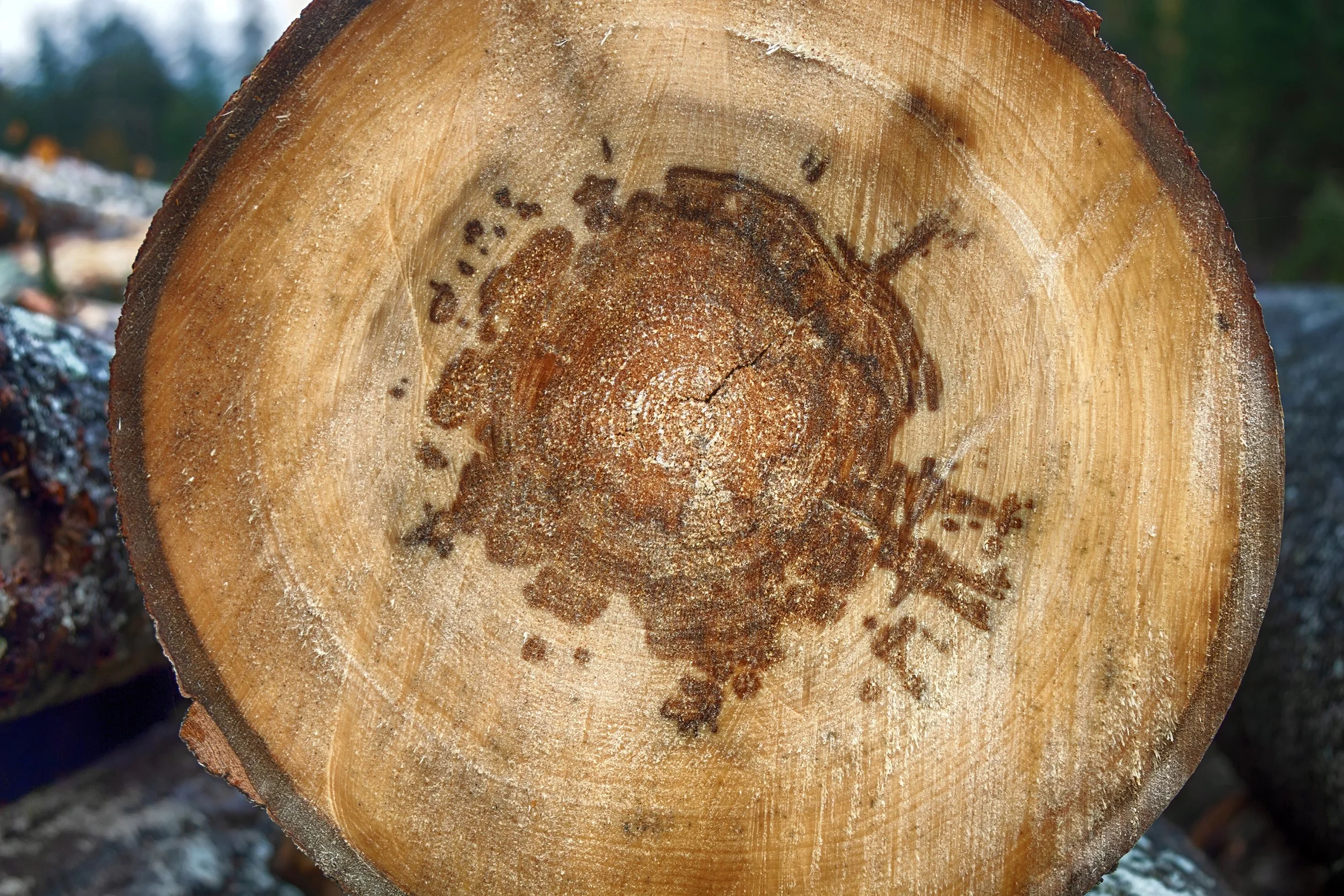
Inner tissue where the bacteria live
What can you do ?
Improve tree health: The most important step is to provide proper cultural care. This includes watering the tree adequately, especially during drought conditions, and applying fertilizer if a soil test shows nutrient deficiencies.
Avoid wounding: Wetwood bacteria typically enter through wounds in the roots, trunk, or branches. Prevent damage from lawnmowers, trimmers, and construction.
Prune properly: When pruning, make clean, proper cuts that will heal quickly. Disinfect all tools with 70% rubbing alcohol between each cut to avoid spreading the bacteria. If a limb is infected, it can be pruned off, though this will not solve the underlying trunk infection.
Clean up slime flux: For particularly odorous or unsightly slime flux, washing the trunk with a dilute bleach solution can temporarily stop the fungi that colonize the oozing sap. This does not affect the underlying bacterial wetwood.
For many mature trees, bacterial wetwood is a chronic but not fatal condition and they can live for many years with the infection.
If you see some on the trunk – call us !
We know what to do!
PLANT SPECIALISTS
GREENING NEW YORK FOR OVER 53 YEARS !
Article written by our Staff Horticulturist, Peter B Morris, BSc, MSc, MBA
All photographs used with permission @SHUTTERSTOCK