
August Gardening Checklist

Introduction
For gardeners, August is a pivotal month for checking up on things. Here is our list.
Insects
Bagworms have stopped feeding and are now attached to twigs or other structures. Spraying insecticides at this time of year is ineffective – simply manually remove the hanging bags.
Look out for late-stage Lantern fly nymphs on any shrub or tree with a thin bark.
Watch for fall webworm activity – particularly pear, apple or crabapple.
Pine needle scale crawlers may be present on Mugo and Scotch pines. Treat as needed.
Iris borer moths emerge from the soil to lay eggs on iris leaves in late August.
Check lawn for sod webworm, larvae are feeding throughout the month. Also check for white grubs.
Look out for squash bugs. Destroy any egg masses, and use proper treatment for any adults/nymphs.
Monitor plants for spider mite activity. Particularly boxwood ! Hose off with a forceful spray of water.
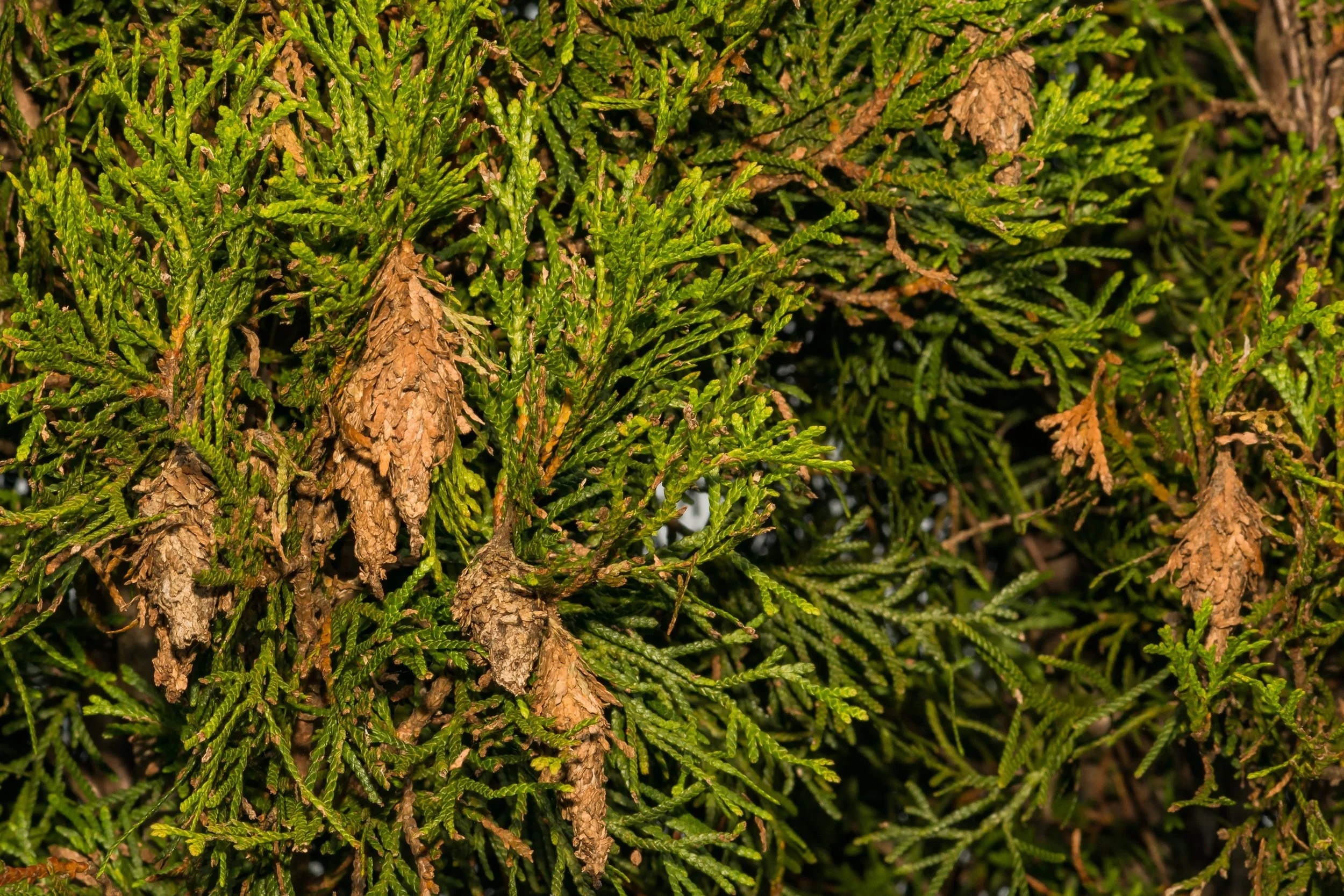
Bagworm
They particularly like cypress and cedar family plants like Arborvitae.
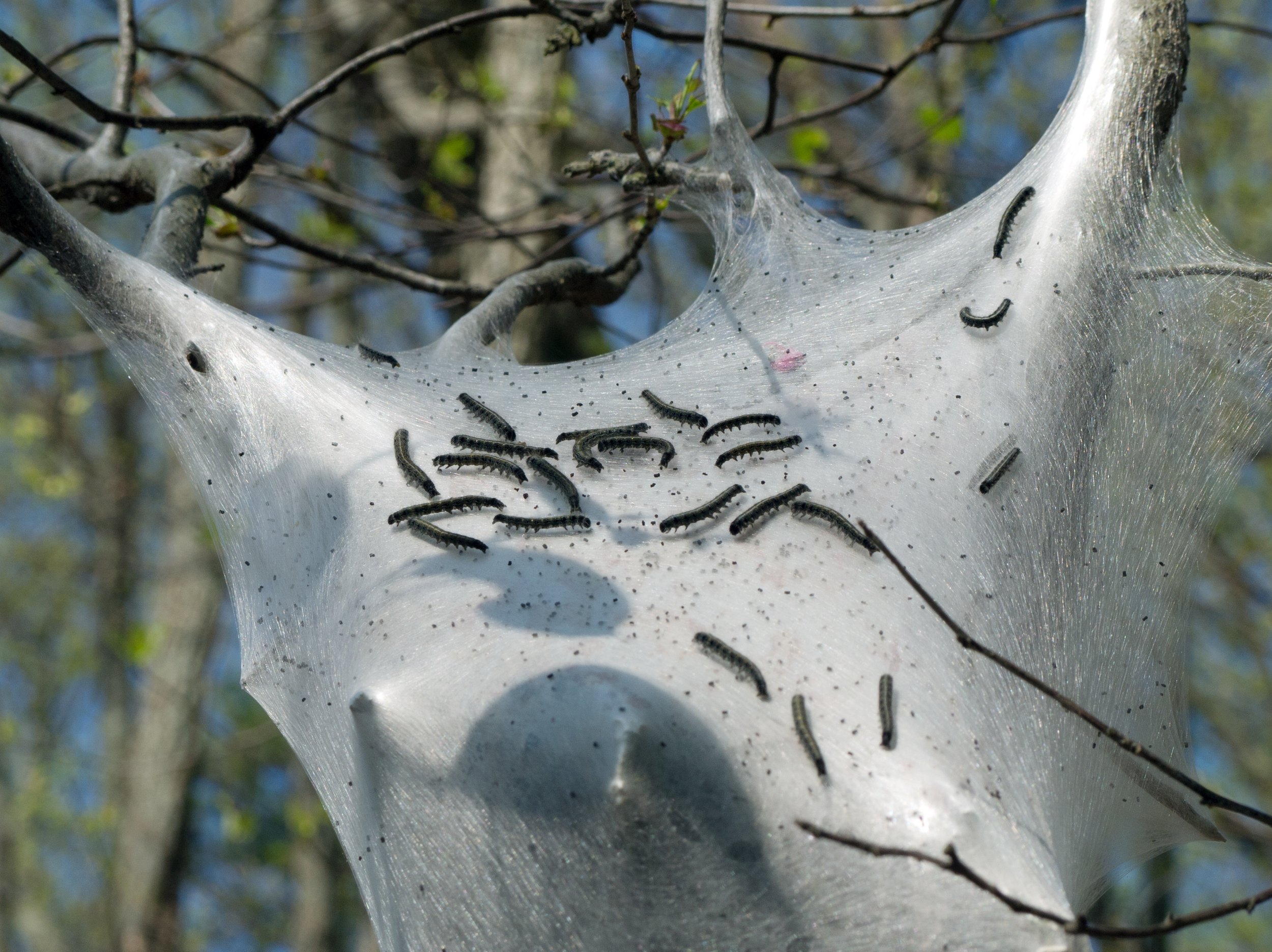
Webworm
These insects enclose the leaves in a web so they can eat undisturbed while hidden inside.
Disease
Wisteria, peonies, lilacs and phlox should be checked for mildew. Now is the time to treat.
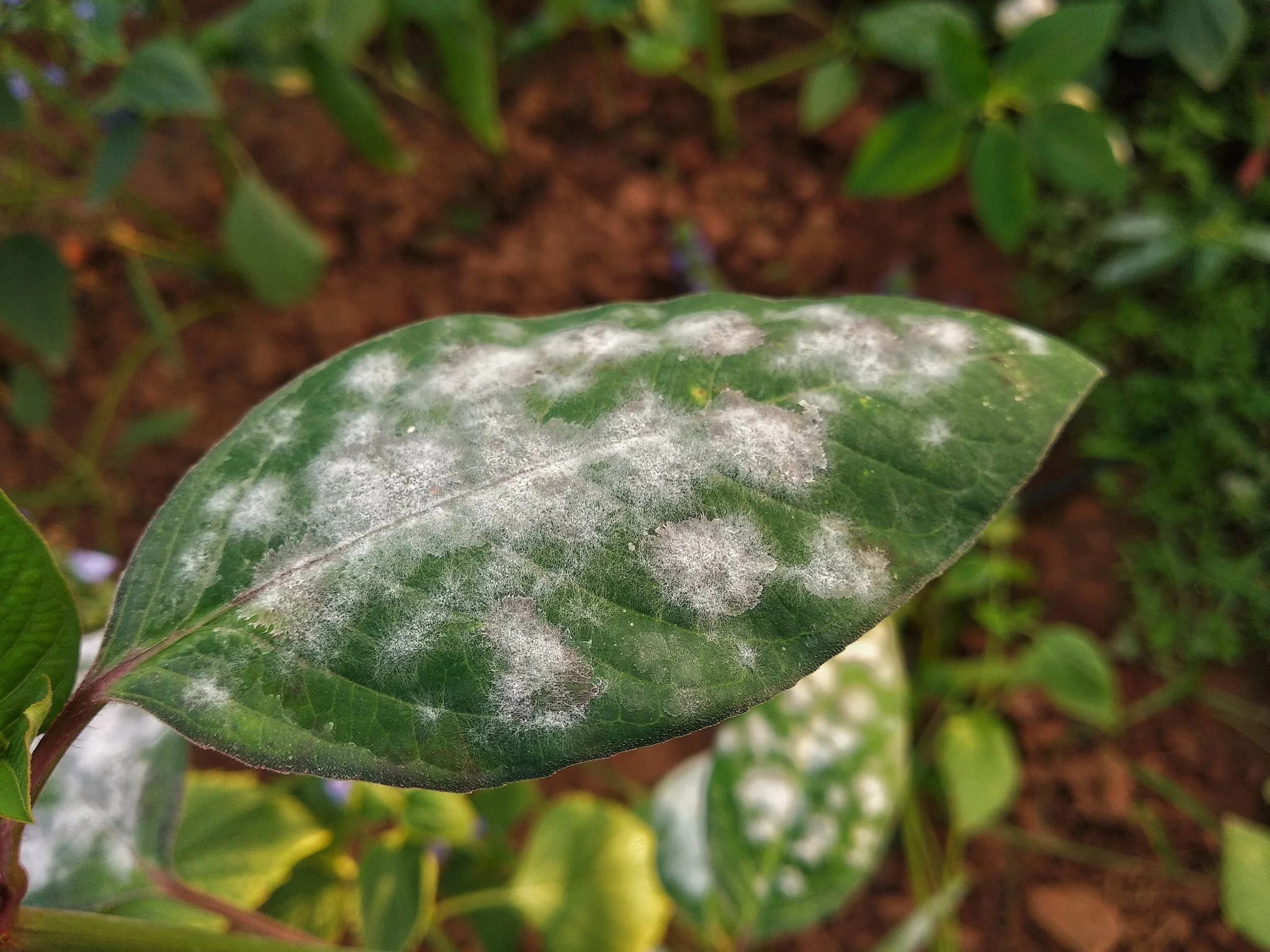
Powdery Mildew
Lilacs are a mildew magnet !
Fertilizing
Roses should receive no further fertilization after mid-August.
Deadhead annuals and perennials to encourage a new flush of blooms for the fall.
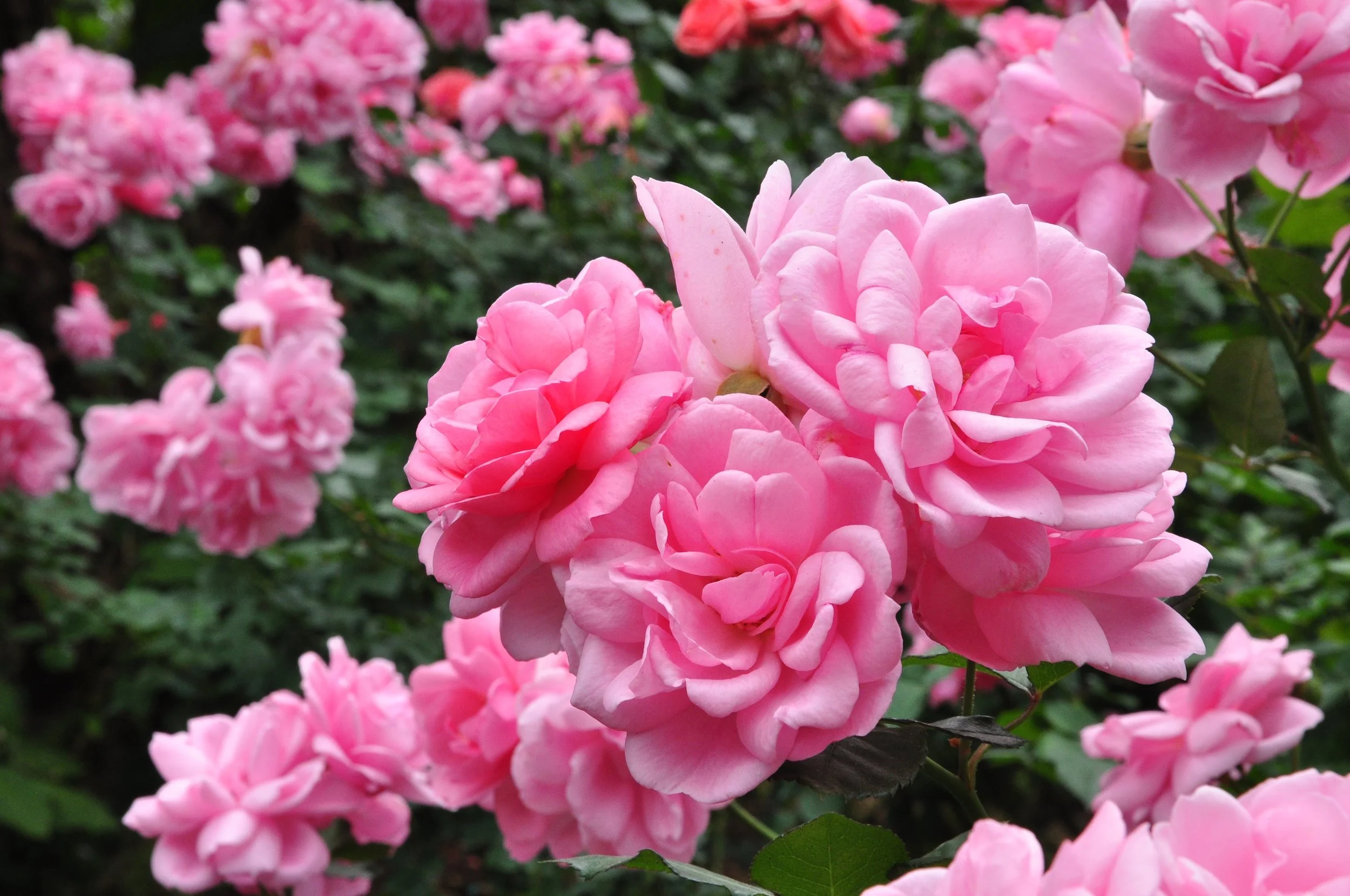
Roses
No more feeding ! - or you get weak fall growth.
Pruning and staking
Panicle and Annabelle hydrangeas may flop over with the weight of flower heads. This is normal and removal is optional. Staking is encouraged.
Divide irises, Hosta and daylilies as needed.
Lightly prune hedges for the last time this season.
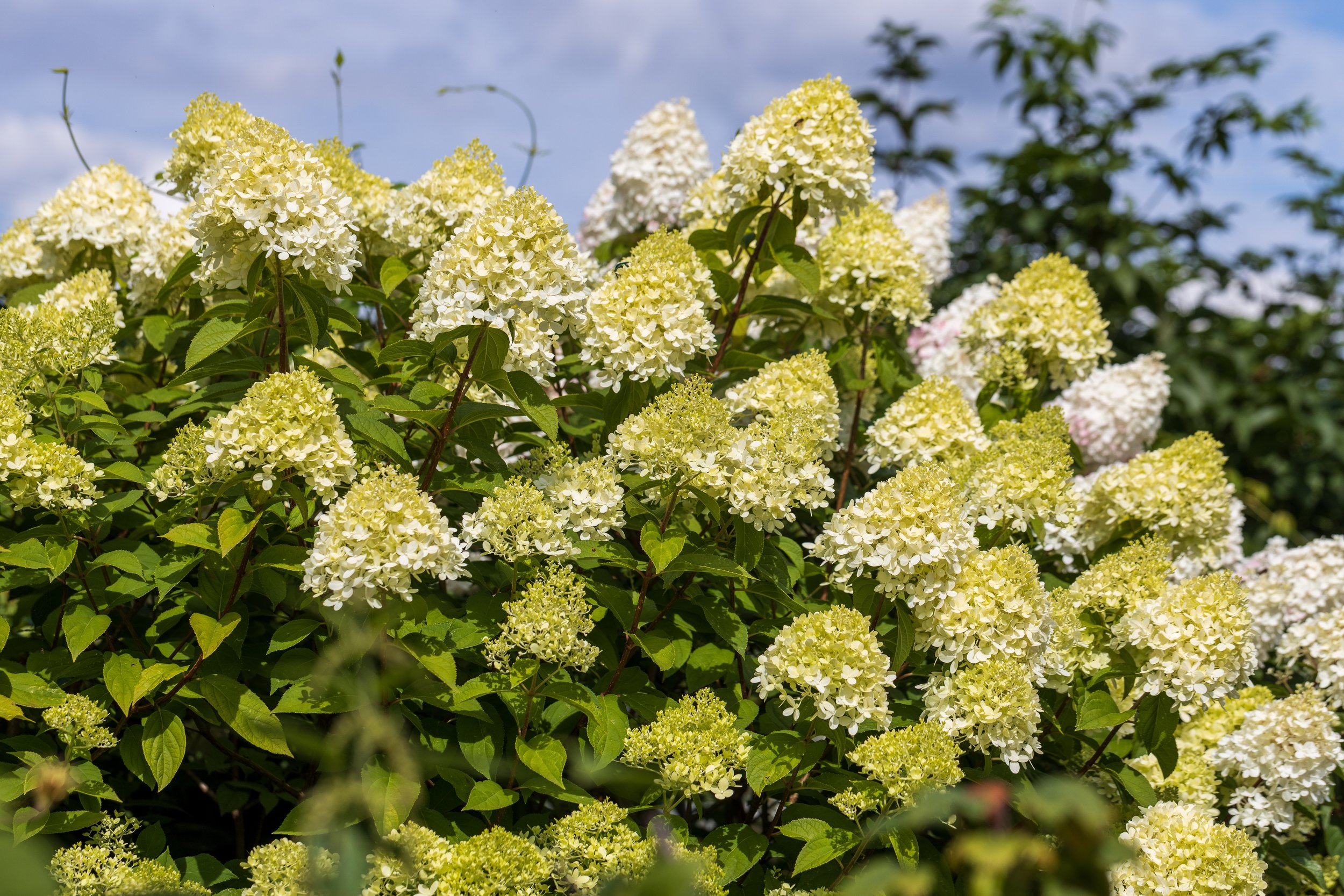
Hydrangea paniculata
I never prune the blooms - I find them so amazing !
Fall planting
Sow seeds of beets, kohlrabi, lettuce, mustard, peas, radishes, spinach, and turnips now for the fall garden. Spinach may germinate better if seeds are refrigerated for one week before planting.
Broccoli, cabbage, and cauliflower transplants should be set out now for the fall garden.
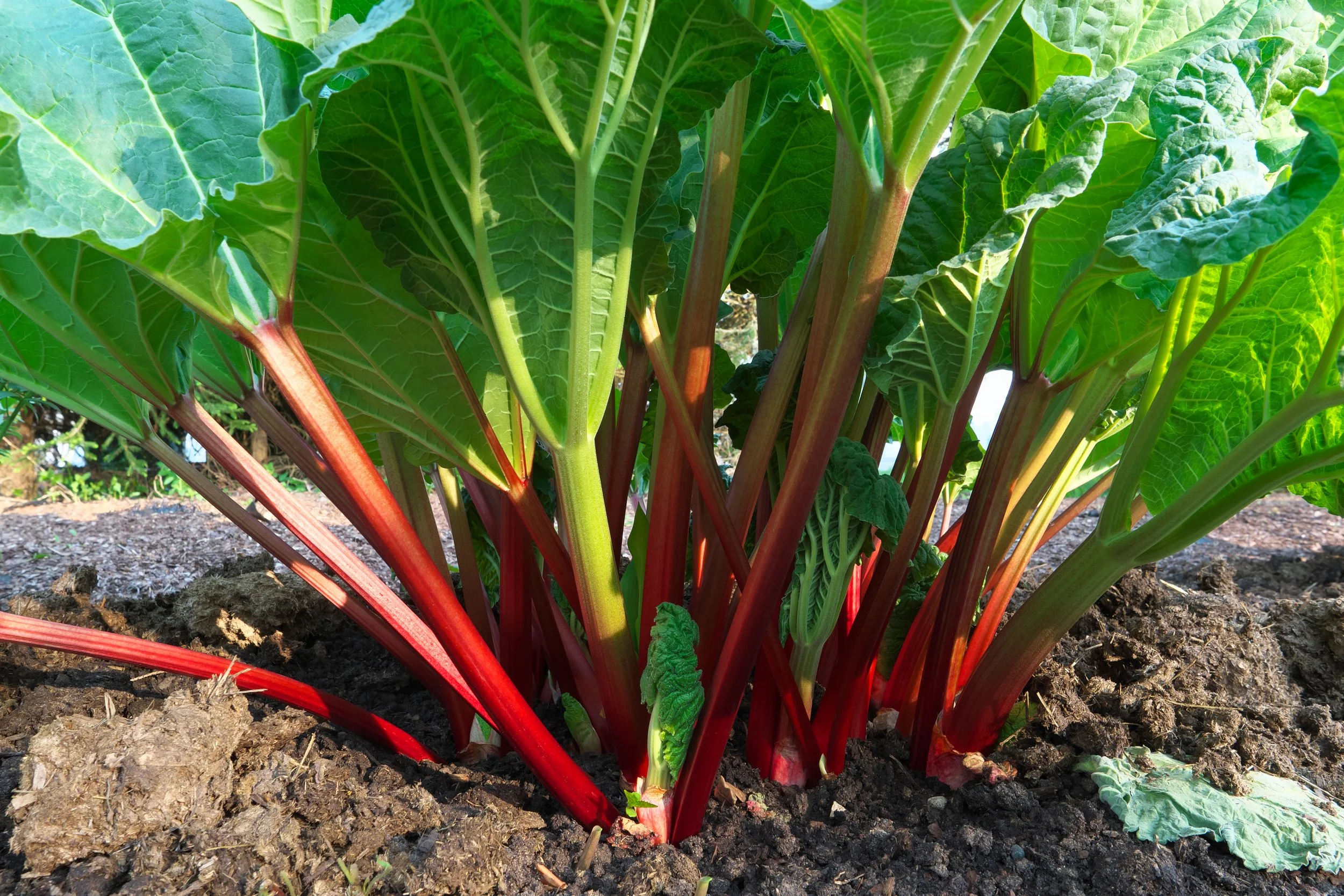
Swiss Chard
One of my favorite Fall veggies.
Harvesting
Thornless blackberries and fall-bearing red raspberries are ripening now.
And Don’t get stung !
Yellowjackets, wasps, and hornets are still around and are attracted to any sweet food/drink left out.
And there you have it – our August Checklist !
call us if you need help – (718) 392 9404
GREENING NEW YORK FOR OVER 53 YEARS !
Article written by our Staff Horticulturist, Peter B Morris, BSc, MSc, MBA
All photographs used with permission from our own customers gardens !