Scale Insects
Introduction
The euonymus scale (Unaspis euonymi) is a dreaded armored scale that can cause complete defoliation or even death of the evergreen Euonymus. It also goes for English ivy, hibiscus, holly, honeysuckle, lilac, and pachysandra. It’s the kiss of death for a plant.
Individual insects are small and are often overlooked until serious damage has occurred. In general, plants growing with less air circulation and greater moisture are more affected.
This scale becomes so devastating because each female lays 400 eggs twice a year – the amount individuals produced in one season is staggering. If you don’t treat them fast – the collective will drain the plant of its sap and energy – quickly.
Symptoms and Diagnosis
They tend to concentrate along the stems and lower leaf veins of the plant. Symptoms start off as a few yellowish or whitish spots on the upper surface of leaves. However, as the population increases plants start looking stressed, the yellowing spreads, and leaves, twigs and small limbs die. Plants may become bare by midsummer.
Life Cycle
Scales themselves are tiny - less than 1/8 inch long. The insect is covered by an oyster shaped scale or outer covering which remains on the plant even after the insect dies. Live ones are wet and squishy – dead ones are dry and fall off easily. They also overwinter as fertilized females.
Eggs are laid in early spring underneath the female's covering – these hatch as moving minute yellow nymph ("crawlers"). They immediately move to other parts of the plant away from the parent.
The wind will also blow them onto nearby plants, and they are also known to be moved to other plants by ants in a process known as “Husbandry”. Many crawlers have special suction cups on their feet and will catch a ride on beetles - scurrying off once they land on a new plant.
Once they reach a new location, the crawlers molt and lose their legs. The females become stationary and begin secreting their protective cover – they spend almost all of their life feeding on the same spot.
Males, once mature will develop wings and leave behind their covers. They mate with the still-covered females to ensure the next years generation. There are generally two overlapping generations per year.
Management and Control
Remove scales manually. If caught early, minor scale infestations may be scraped off with a fingernail or gently scrubbed off with a soft brush or toothbrush. By rubbing the scales off of the plant, their mouthparts are injured and they are unable to re-infest the plant.
Suffocate scales with oil sprays. Superior-type horticultural oil sprays can be used to kill scales by literally suffocating them. These sprays can be applied at any time during the year but check the label and follow instructions to avoid injuring plants.
Repeated applications during the season may be necessary with heavy infestations and should be targeted when the crawlers are most active – early to mid-June.
Also apply an oil spray during the dormant season to kill overwintering scales.
Alternatively, you could use chemical insecticides.
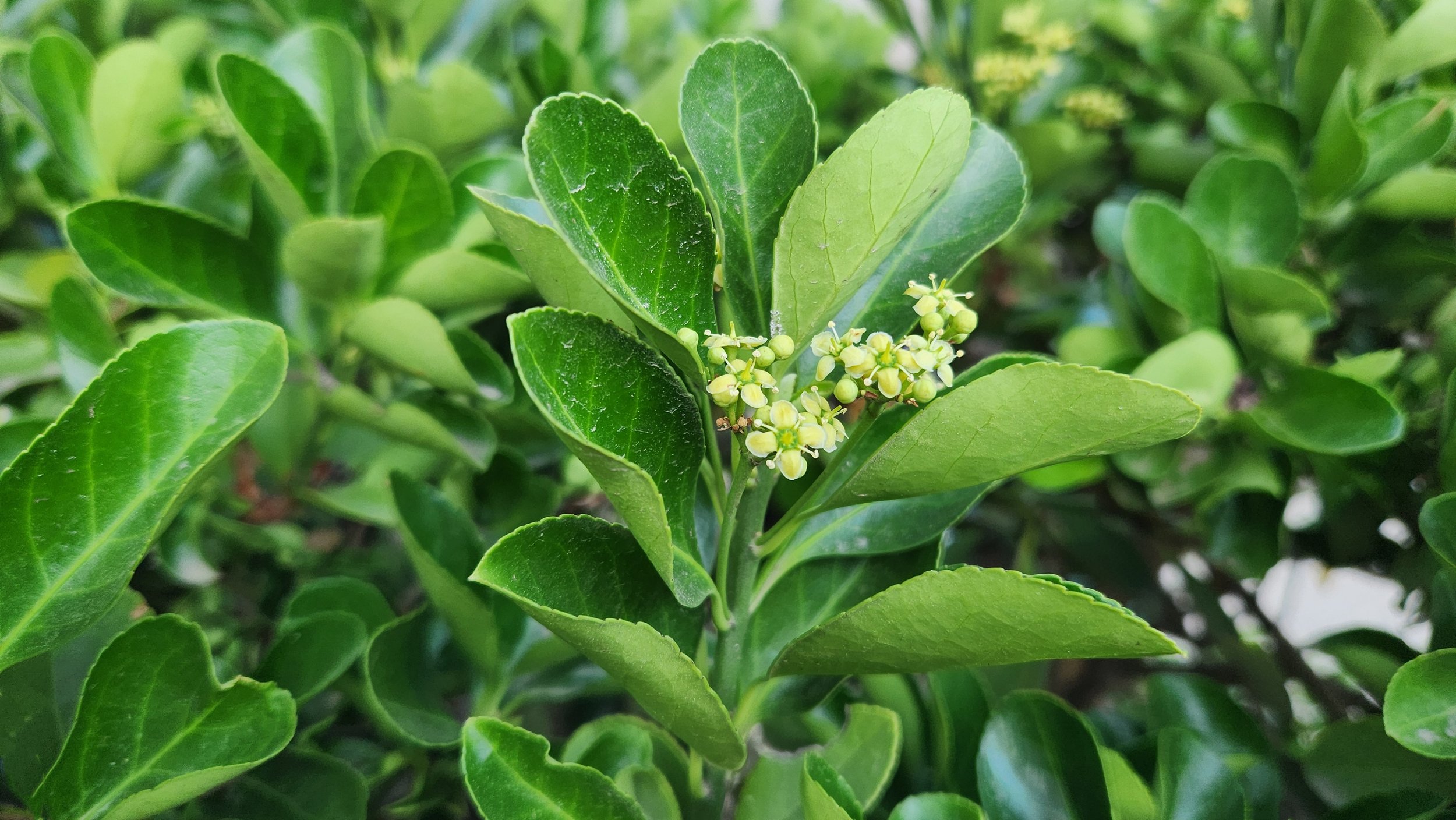
Euonymus japonicus
Solid green variety
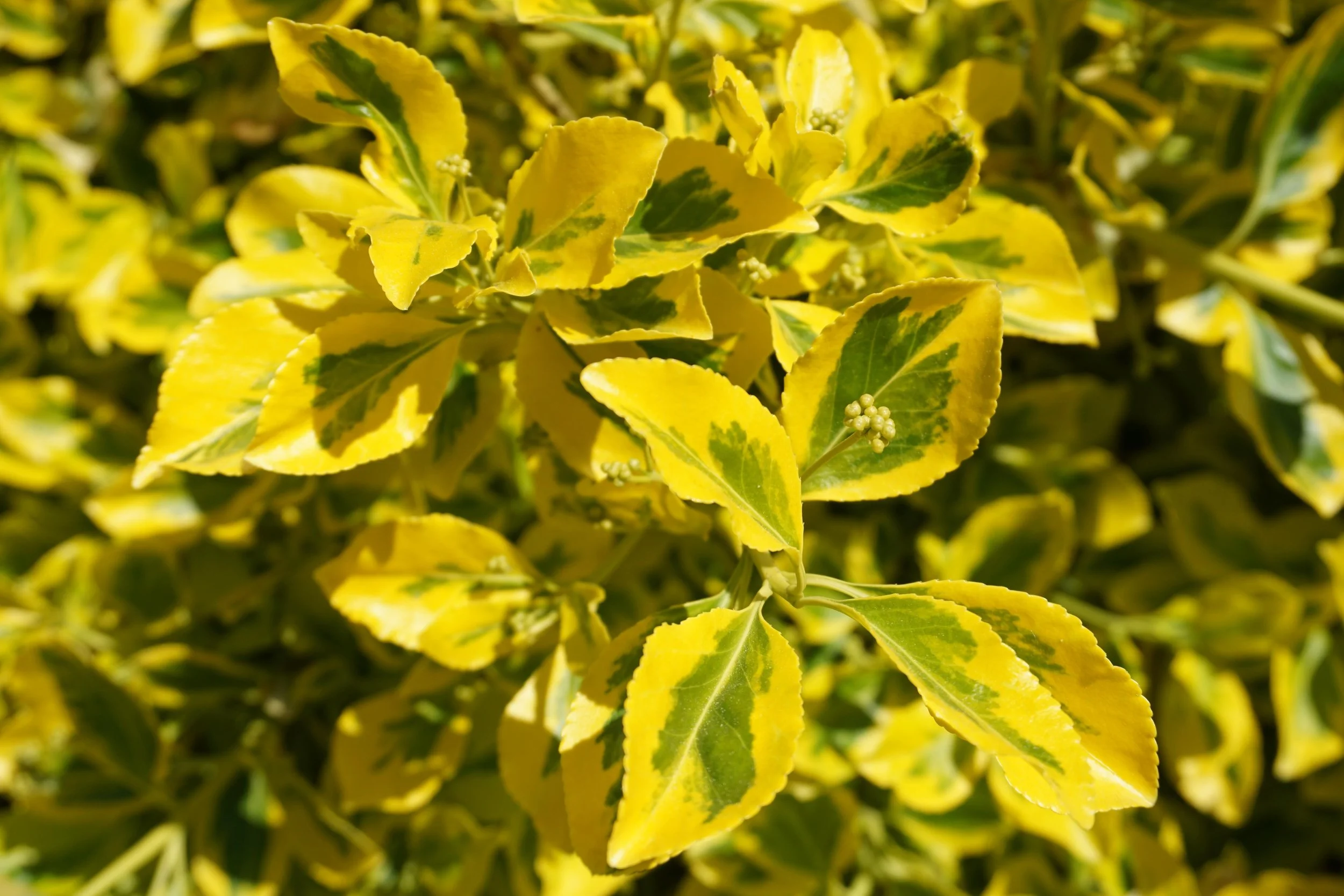
Euonymus japonicus
Yellow variegated
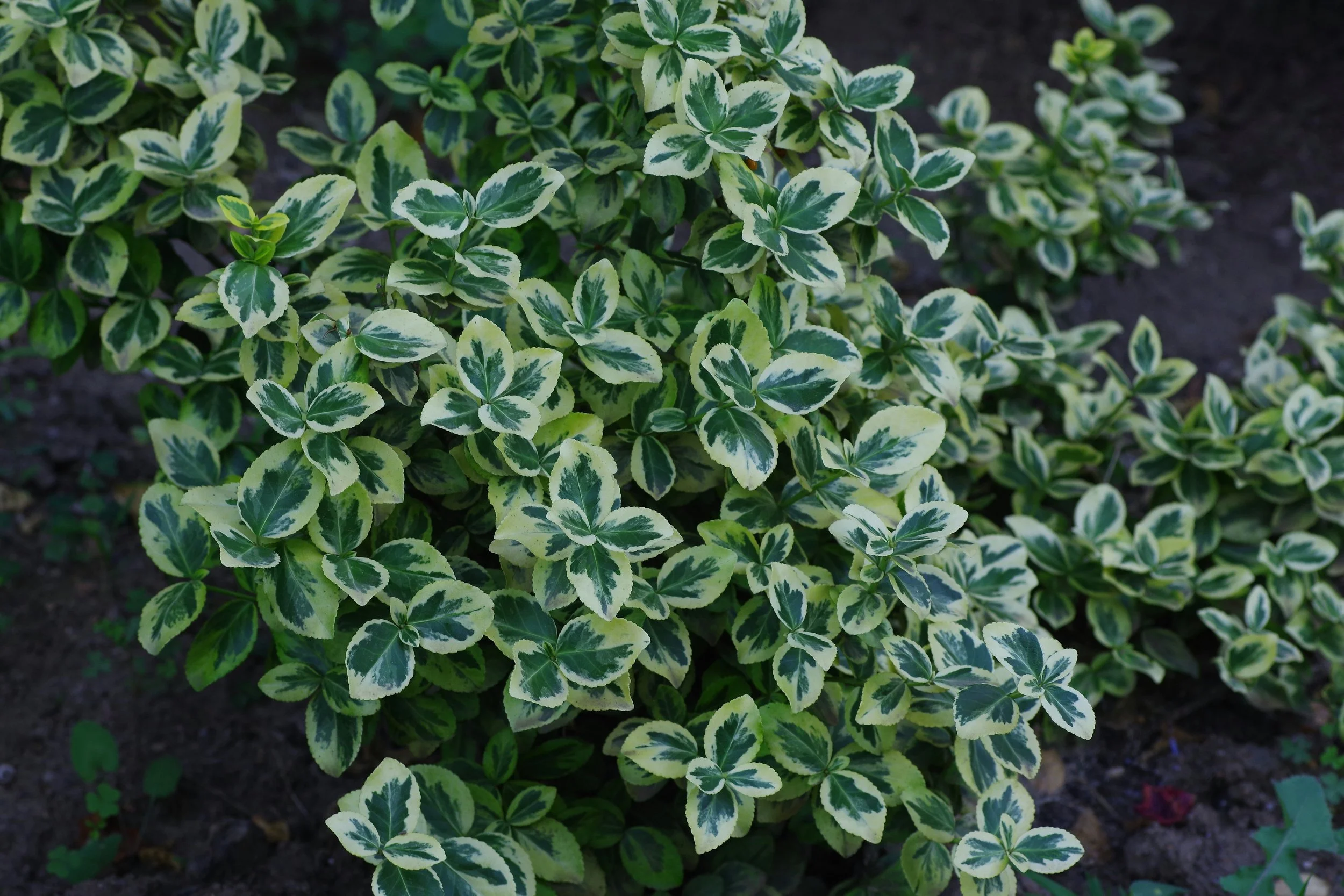
Euonymus wintercreeper
Hardy prostrate variety
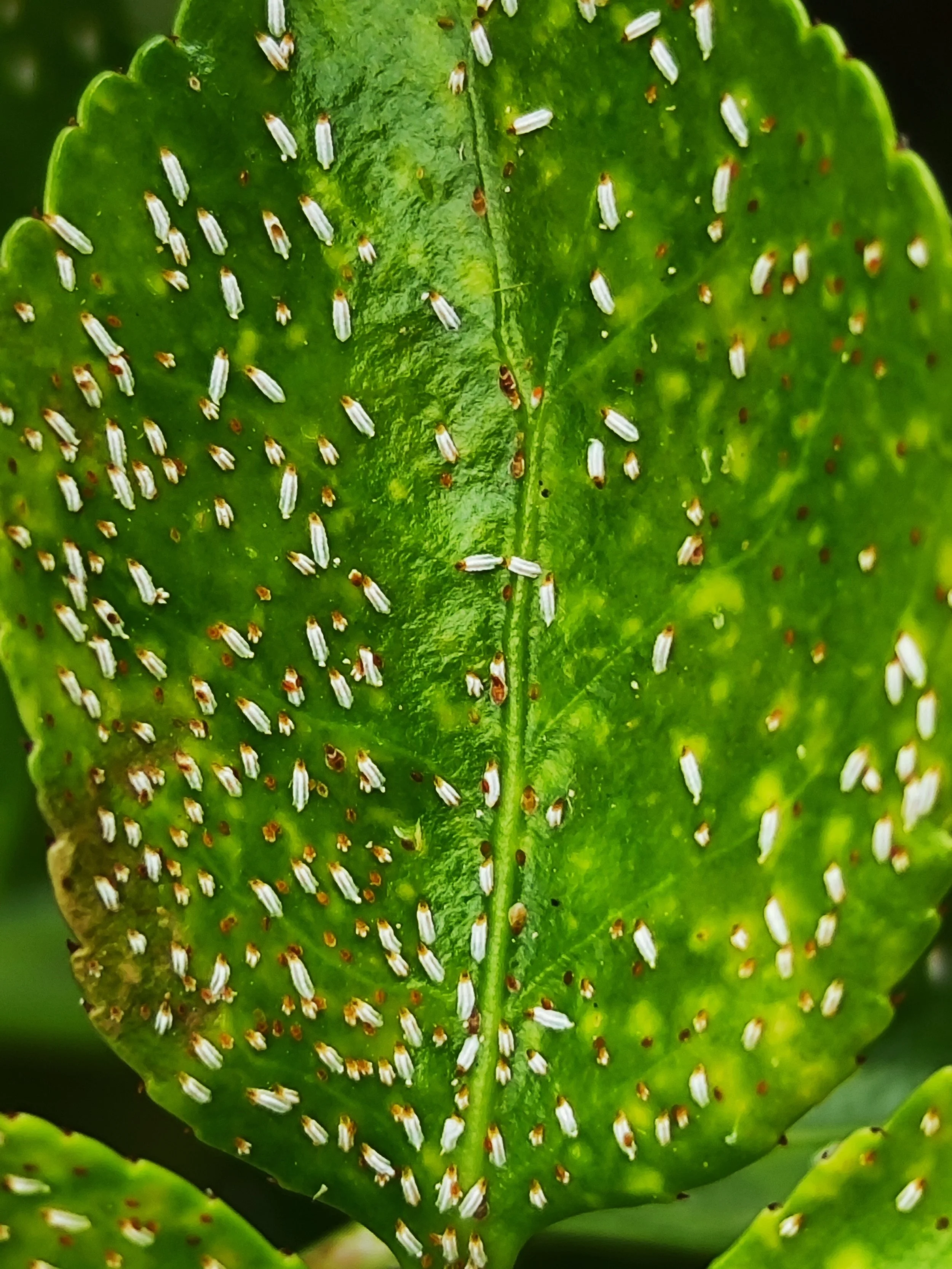
Euonymus scale
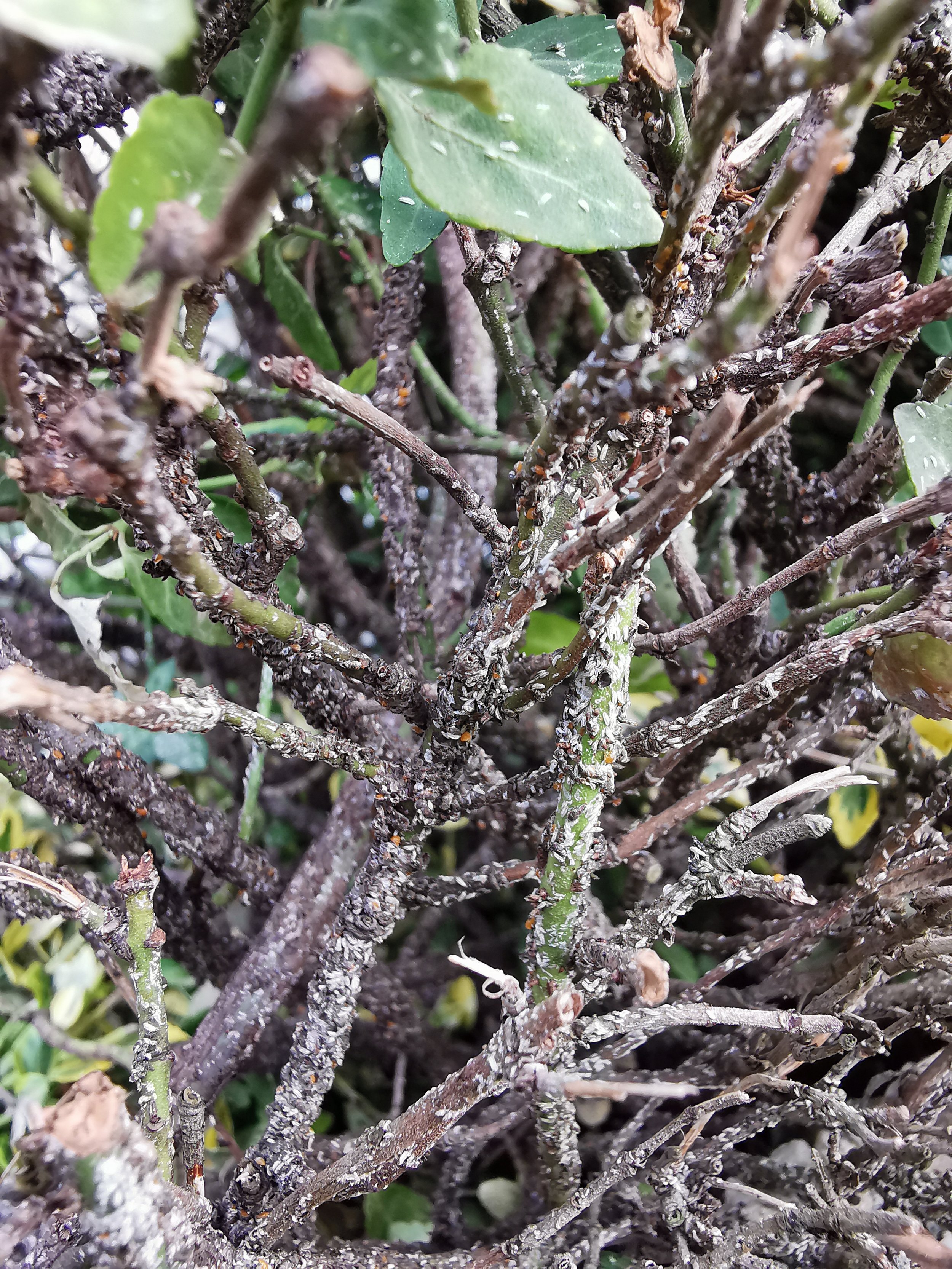
Severe defoliation
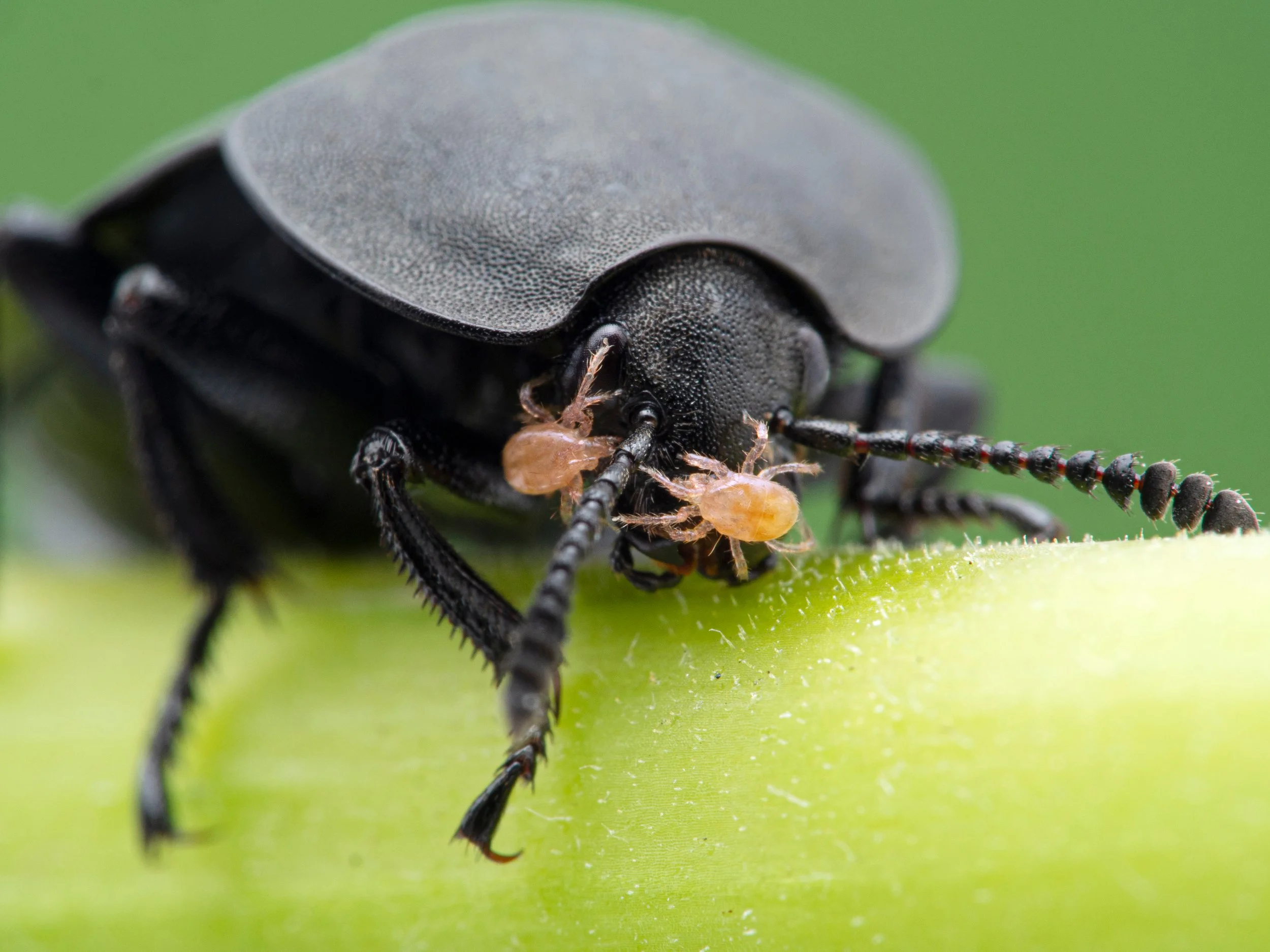
Catching a ride on a beetle !
So here you have it - everything you wanted to know about the euonymus scale !
If you see any on your plants
Call us - we can help you treat them !
PLANT SPECIALISTS
GREENING NEW YORK FOR OVER 53 YEARS !
Article written by our Staff Horticulturist, Peter B Morris, BSc, MSc, MBA
All photographs used with permission @SHUTTERSTOCK