
Introduction
If every you wanted a plant to produce lots of fruit in the shade – this is it !
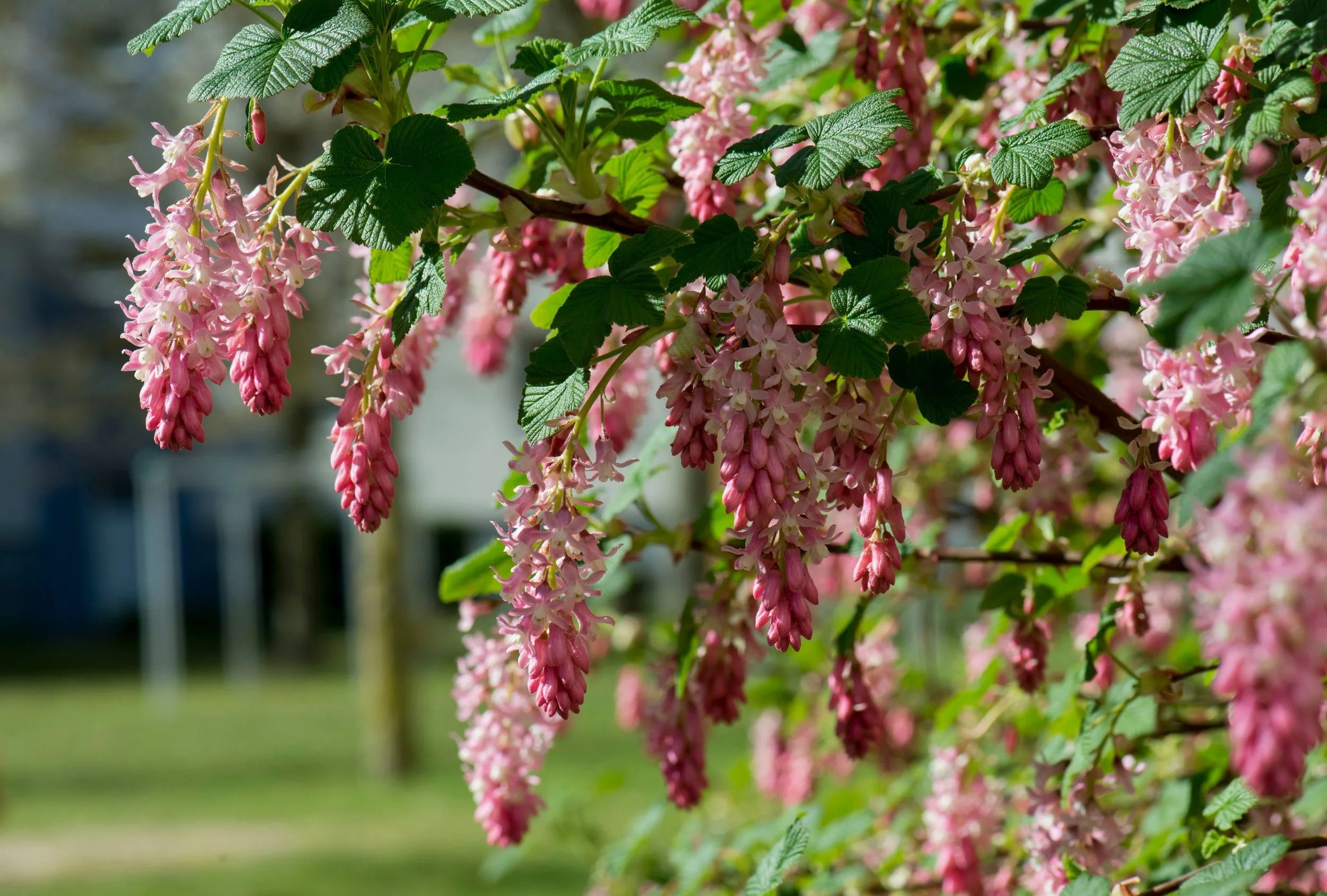
Ribes is a genus of approximately 200 known species of flowering plants native to the Northern Hemisphere. It includes species commonly referred to as redcurrants, blackcurrants, white currants, and gooseberries.
Black currants belong to Ribes nigrum, while red, white and pink currants are Ribes rubrum. They are considered a superfood with three times more Vitamin C than oranges and high levels of antioxidants.
It should not be confused with the dried currants used in cakes and puddings, which are from the Zante currant, a small-fruited cultivar of the grape Vitis vinifera.
History of currant in USA
Currants are an extremely cold hardy crop native to northern latitudes of Europe, Asia and North America. They were brought over from Europe to the United States in the early 1800s and were widely grown in New England, especially New York, in the late 1800s.
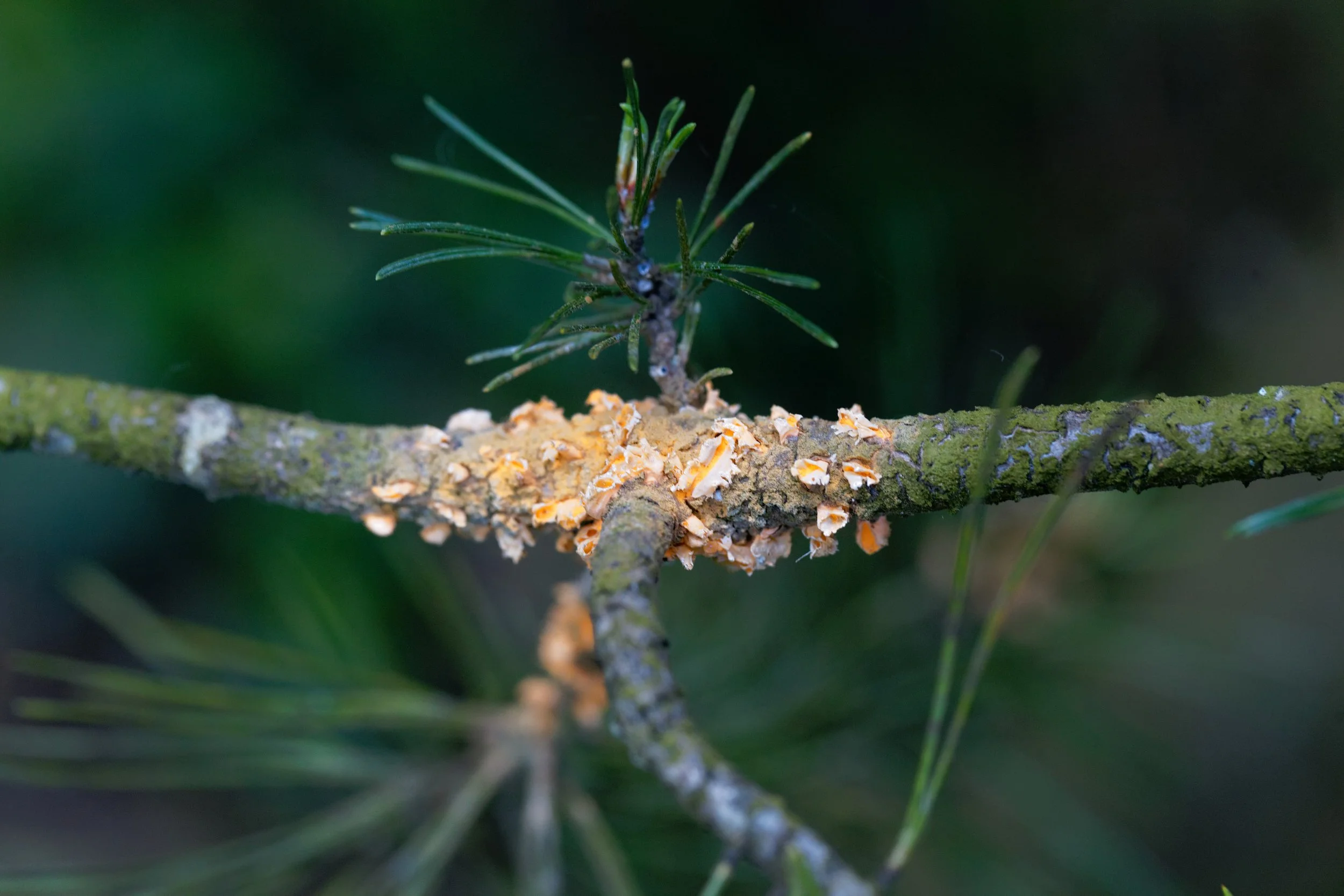
In the early 1900s it was discovered that plants in the Ribes genus, especially black currants, served as a host for the fungus and threatened the white pine timber industry. A federal ban ensued in the 1920s and remained in place until 1966.
Today, the laws regarding the cultivation vary state to state – with Michigan and Ohio still with restrictions on the varieties of black currants that can be grown. Black currants are currently illegal to grow in New York. New cultivars are being developed which may soon be legal to grow because they are immune to white pine blister rust.
Two main types
Black currants are most widely grown because of their ease of production, processing capabilities, and nutritional qualities. Most of them are going to juice production.
Red and white currants are less nutritious but more palatable for fresh eating, and excellent for baking and make good jams and jellies - but do not juice well.
Easy to Grow
Currants grow well in partial shade. They prefer cool, moist locations on the northern side of a building. Good ventilation will help avoid powdery mildew. Ribes are heavy nitrogen feeders.
Prune annually to remove four-year-old canes. Mature plants should have about eight bearing canes.
Most are tolerant to zone 3 and some to 2 – great plant for a rooftop ! They are also self pollinating !
NOTE: Do not plant next to pine trees or they may get the pine rust.
If you want some in your garden
call us - (718) 392 9404
PLANT SPECIALISTS
GREENING NEW YORK FOR OVER 53 YEARS !
Article written by our Staff Horticulturist, Peter B Morris, BSc, MSc, MBA
All photographs used with permission @SHUTTERSTOCK