Plants used by the Indigenous people of the Caribbean Islands (Part 1)
Introduction
The indigenous peoples of the Caribbean, particularly the Taíno and Carib, developed a cuisine based on native crops, seafood, and game that continues to influence modern Caribbean cooking today. Staples included a variety of root vegetables, fruits, and chili peppers, all prepared using techniques like barbecuing and simmering in pepper pots.
While some people are aware of these facts (especially those who cook!) very few know how broad and complex the use of native plants was. Not just for food but for a myriad of other uses as well !
To keep this article on focus, I have not included plants not originally from the Caribbean – like those introduced later by the Spaniards or other settlers.
Because there is so much material to cover, I have split this subject into several articles. This first and second ones are dedicated to food plants. The third section will review plants used for beverages, cooking methods, medicine, and culture. The last for tools, utensils, and materials.
Stay tuned next week !!
Food plants
Cassava – Manihot esculenta
Called Yuca or Manioc the original word comes from Taino – cacabi.
This fibrous root was a primary staple. Its juice was boiled down to create a preservative sauce called cassareep. The ground root was baked into a thin, crispy flatbread called casabe.
Sweet potato – Ipomoea batatas
Indigenous sweet potatoes were originally cultivated by the Lucayan people of the Bahamas. Unlike the orange common variety we see today, this one had red skin and a milder flavor. They had white or yellow flesh, they were also drier and starchier.
Malanga – Xanthosoma genus
Several types were eaten with either white, purple, or yellow flesh. Called Yautía - these starchy root vegetables, known for their nutty flavor, were widely cultivated.
Corn – Zea mays
Mahiz as know by the Taino was made into a variety of foods, including a cornmeal mush called funche or fungi, and a tamale-like dish called guanime. It was originally domesticated from the grain Teosinte by the cultures of central Mexico.
Squash – Cucurbita moschata
Several varieties of squash were grown and consumed. West Indian pumpkin was a significant crop for the Taíno. It was added to stews to thicken and sweeten them, a practice that continues in modern Caribbean cuisine.
Turban squash – Cucurbita maxima
The turban squash is also native to the Caribbean. Known as giraumon in French Caribbean islands, its creamy flesh was used to make velvety soups.
Leren - Calathea allouia
Called lléne - it’s a small starchy root vegetable, similar to a small potato, that grows in clusters.
They are called Guinea arrowroot in many other parts of the world. The tubers remain crisp after boiling, a characteristic which makes them very palatable – similar to water chestnuts. They are usually cooked by boiling in water for 15 to 20 minutes and have a flavor similar to that of cooked green maize.
Common beans - Phaseolus vulgaris
These were a dietary staple, with varieties similar to red beans being cultivated today. Common beans are an essential part of the "three sisters" tradition, with the bean plants climbing the corn stalks and providing nitrogen to the soil.
Lima beans - Phaseolus lunatus
Also known as butter beans, these were part of the crops grown by indigenous groups and continue to be found in Caribbean cooking today.
Susumber berries - Solanum torvum
Also known as gully beans in Jamaica, these berries are indigenous to the island. While botanically a member of the nightshade family, the berries were traditionally prepared.
Guava – Psidium guayaba
Known as guayavu, it was an important delicious fruit.
Mountain guava - Psidium amplexicaule
This is a species specifically native to parts of the Caribbean, such as Hispaniola, Jamaica, and Puerto Rico. Its tiny ! and sour !!
Acerola – Malpighia emarginata and M. glabra
M. glabra is native to the West Indies and neighboring areas of northern South America. Malpighia emarginata is native to Mexico, Central America, and the northern part of South America and is the more common name of the species.
It has the highest count of Vitamin C in any fruit. Used by the native people as a food source and as a herbal remedy.
Pineapple – Ananas comosus
The pineapple is indigenous to South America and was spread to the Caribbean by the Taíno and Kalinago. They cultivated the fruit for food, medicine, and fibers for clothing and rope.
The name ananas is from the Tupi word - naná. The Spanish named it "piña" (pinecone) due to its appearance.
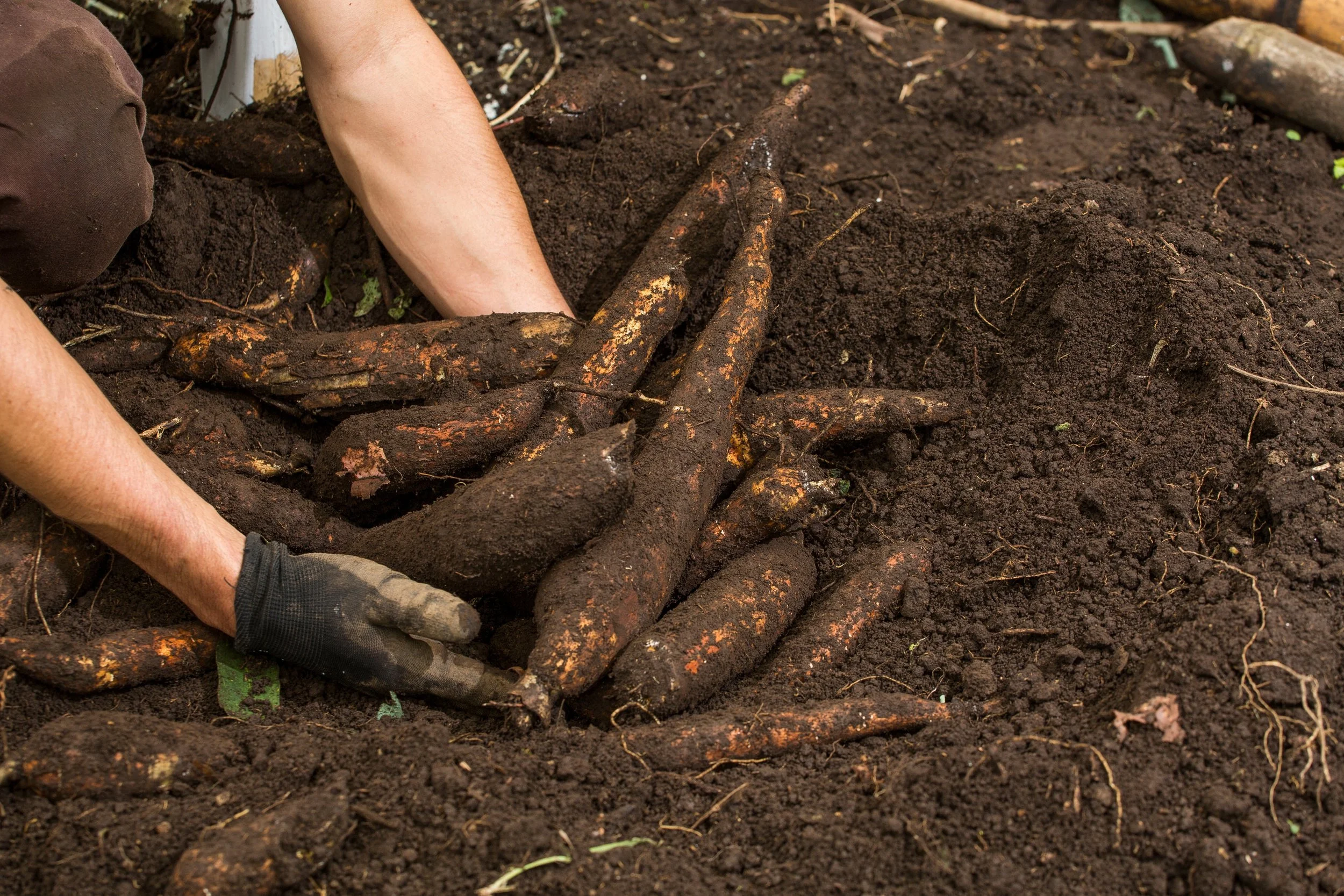
Cassava – Manihot esculenta
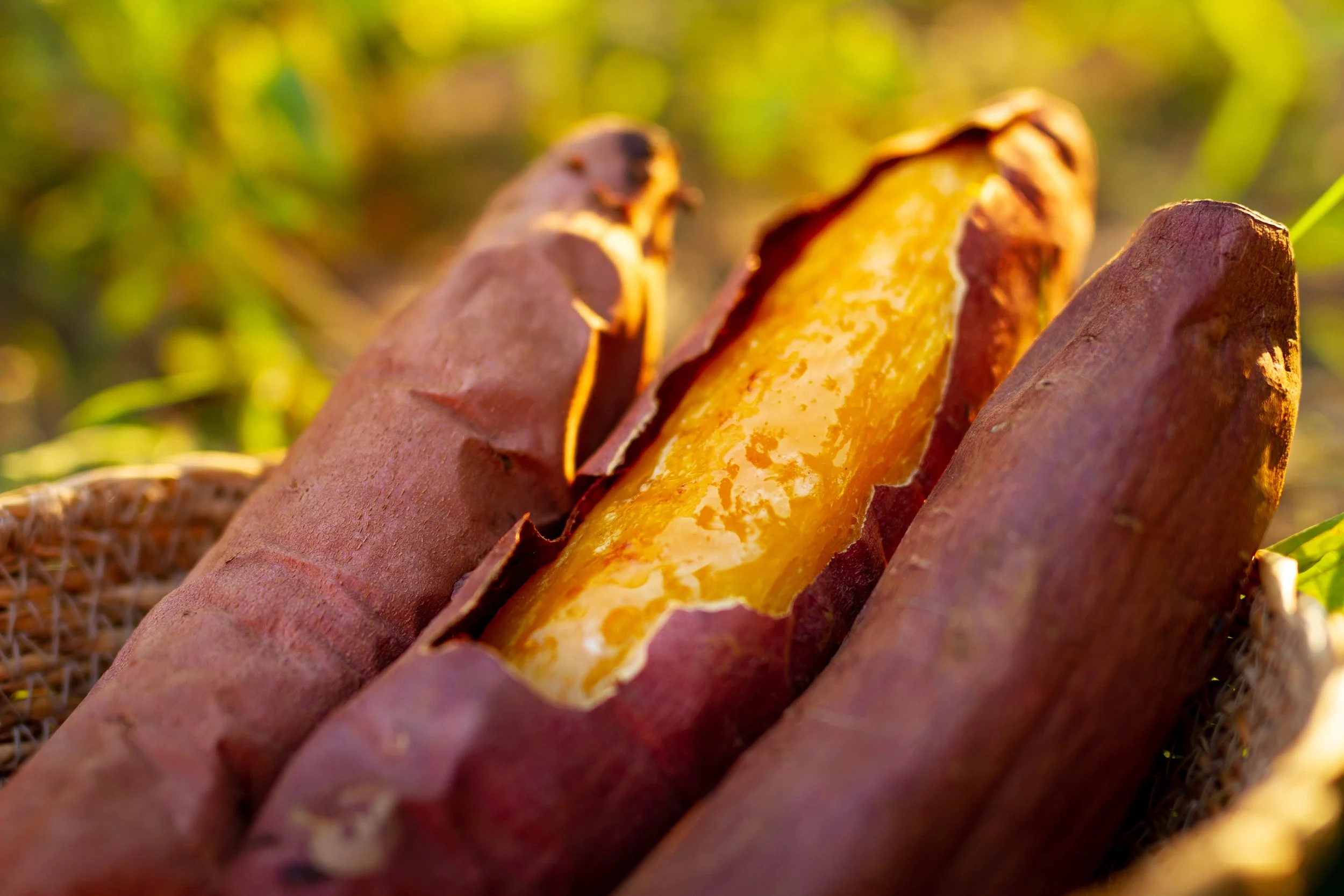
Sweet potato – Ipomoea batatas
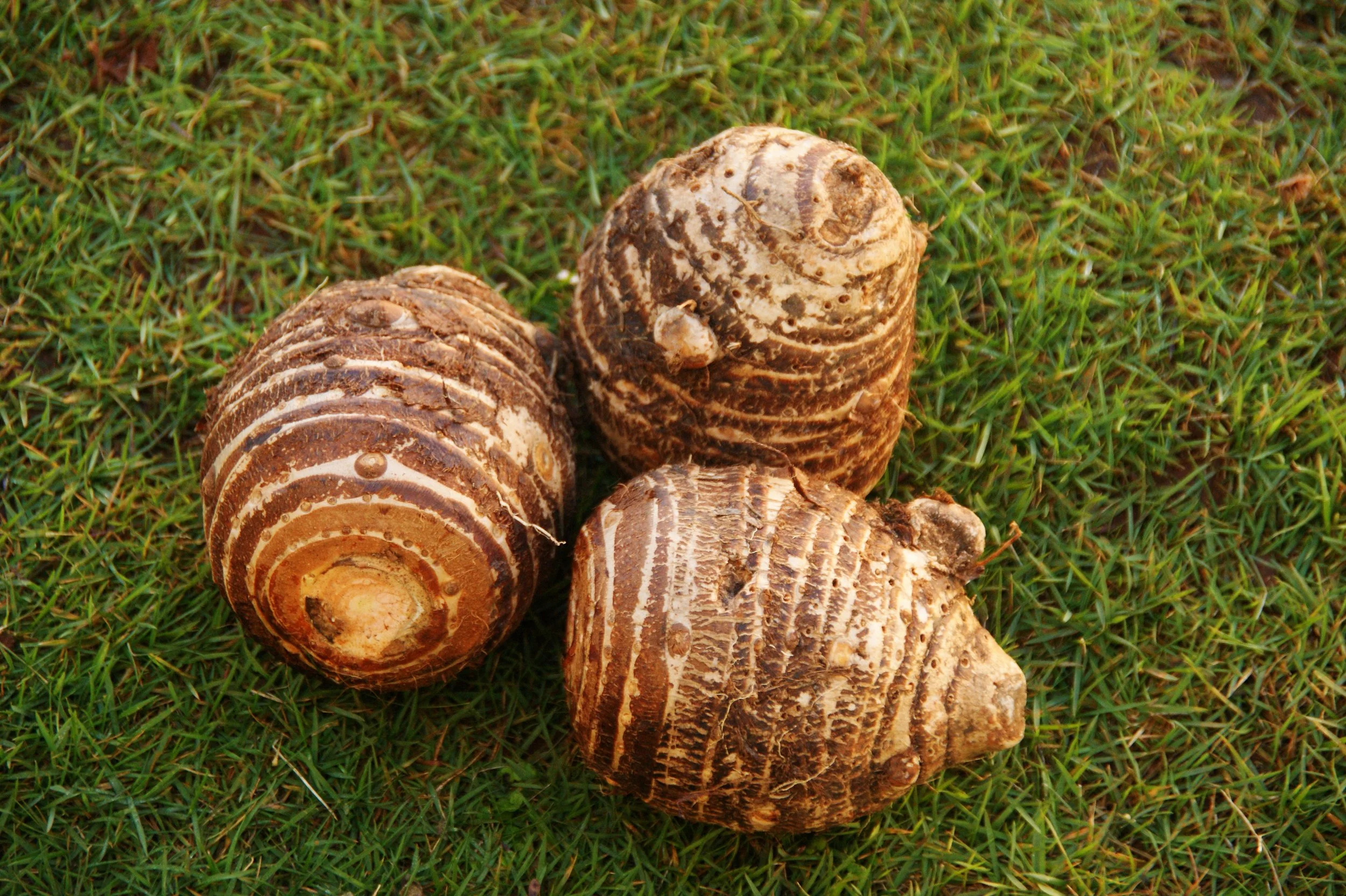
Malanga – Xanthosoma genus
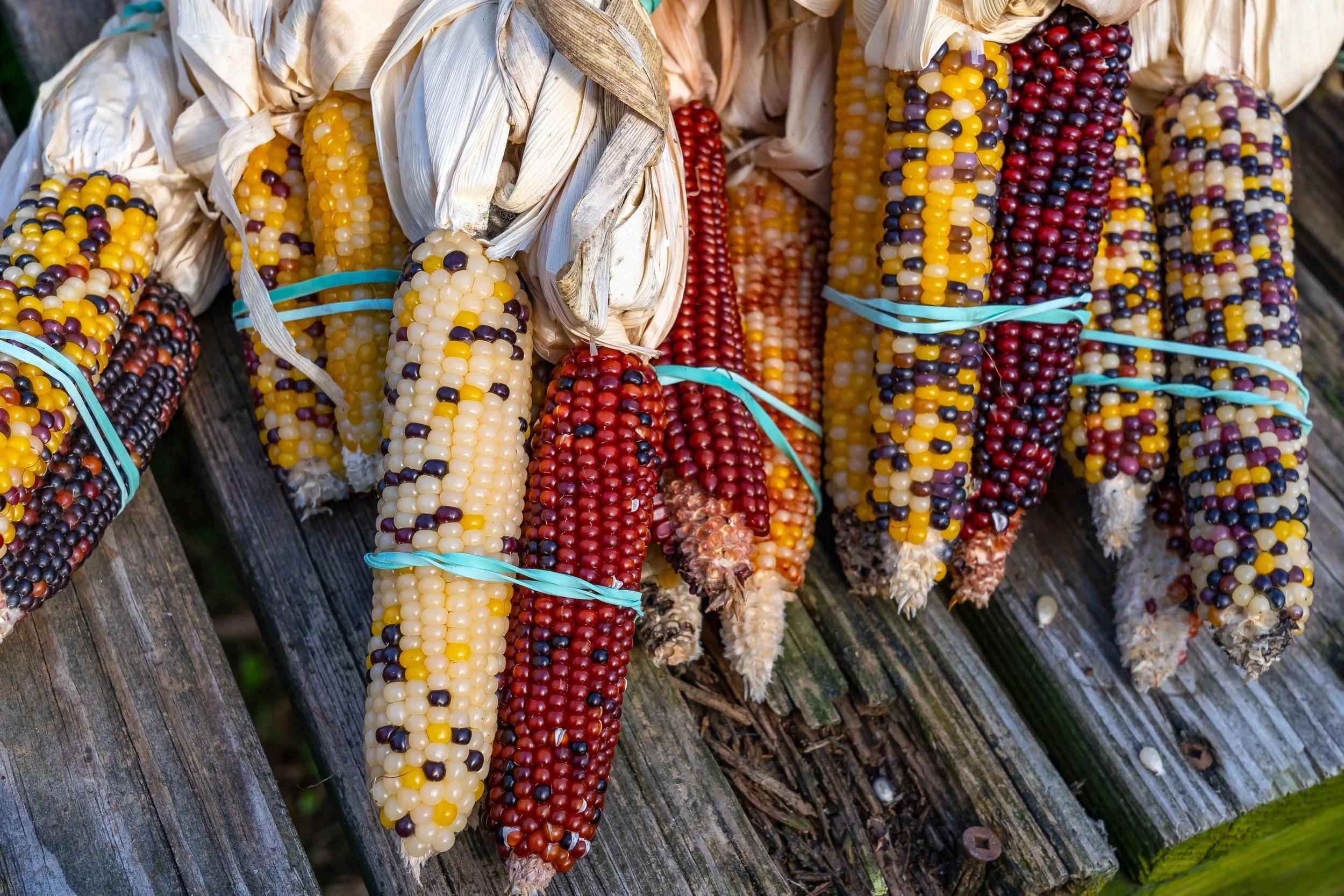
Corn – Zea mays
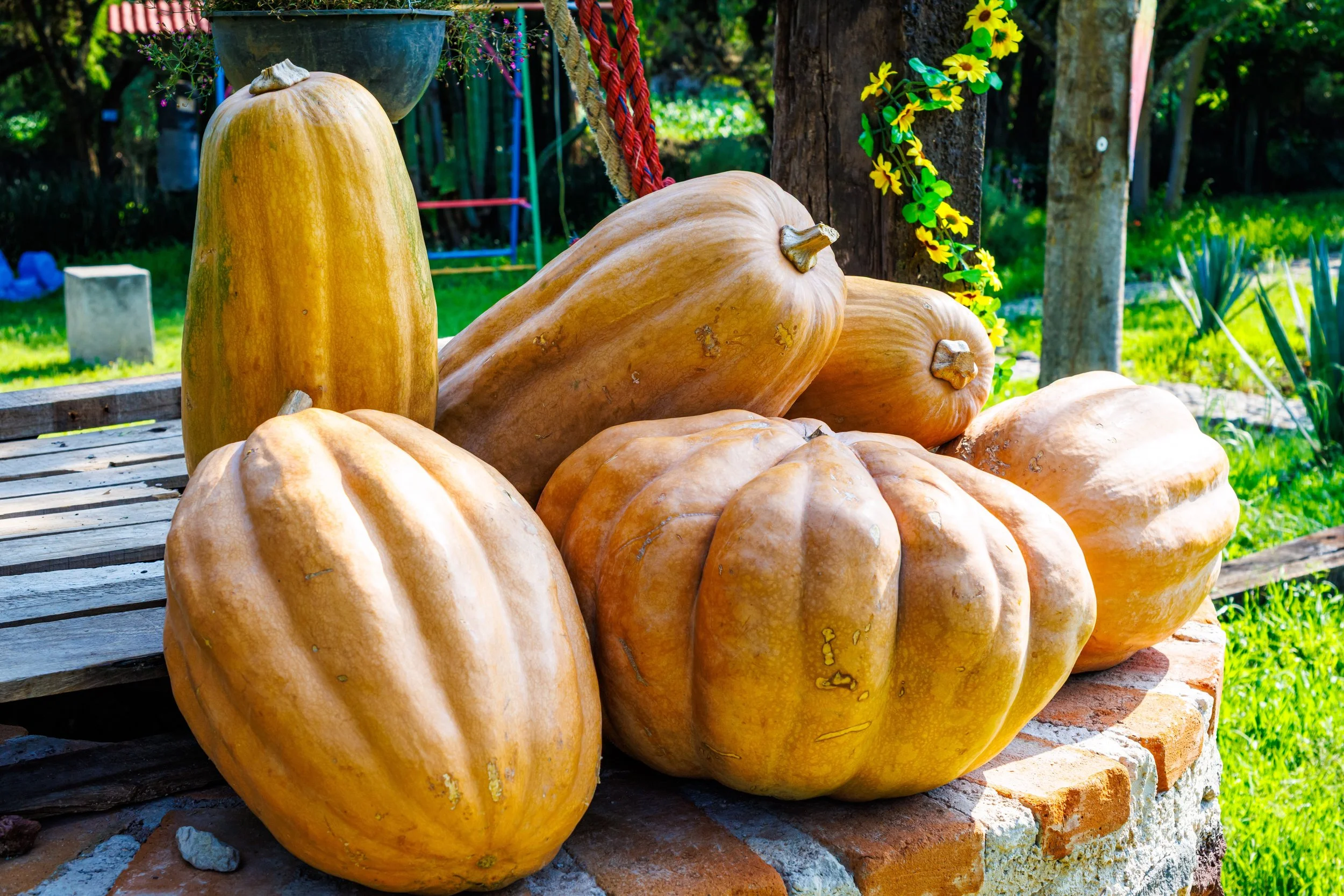
Squash – Cucurbita moschata
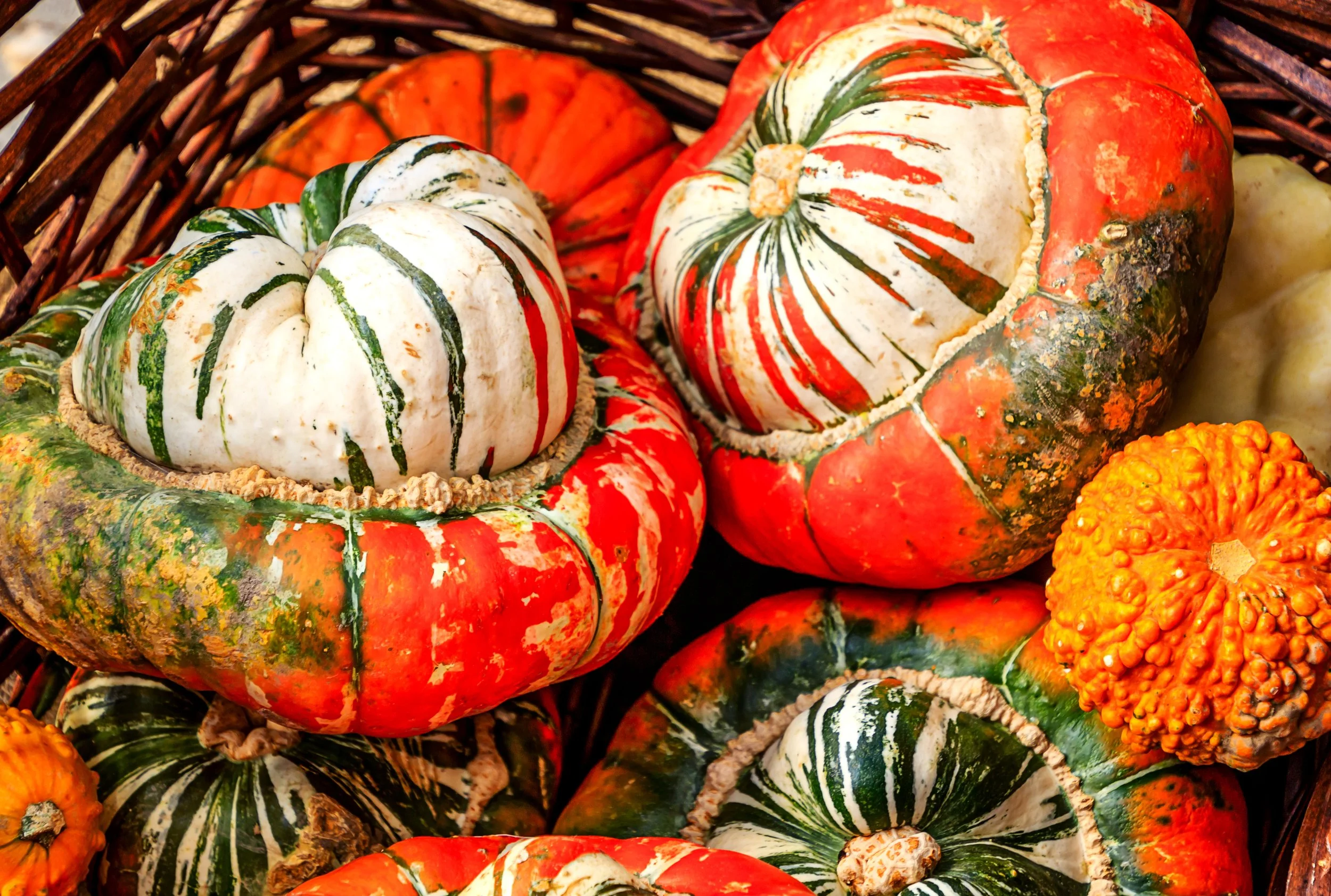
Turban squash – Cucurbita maxima
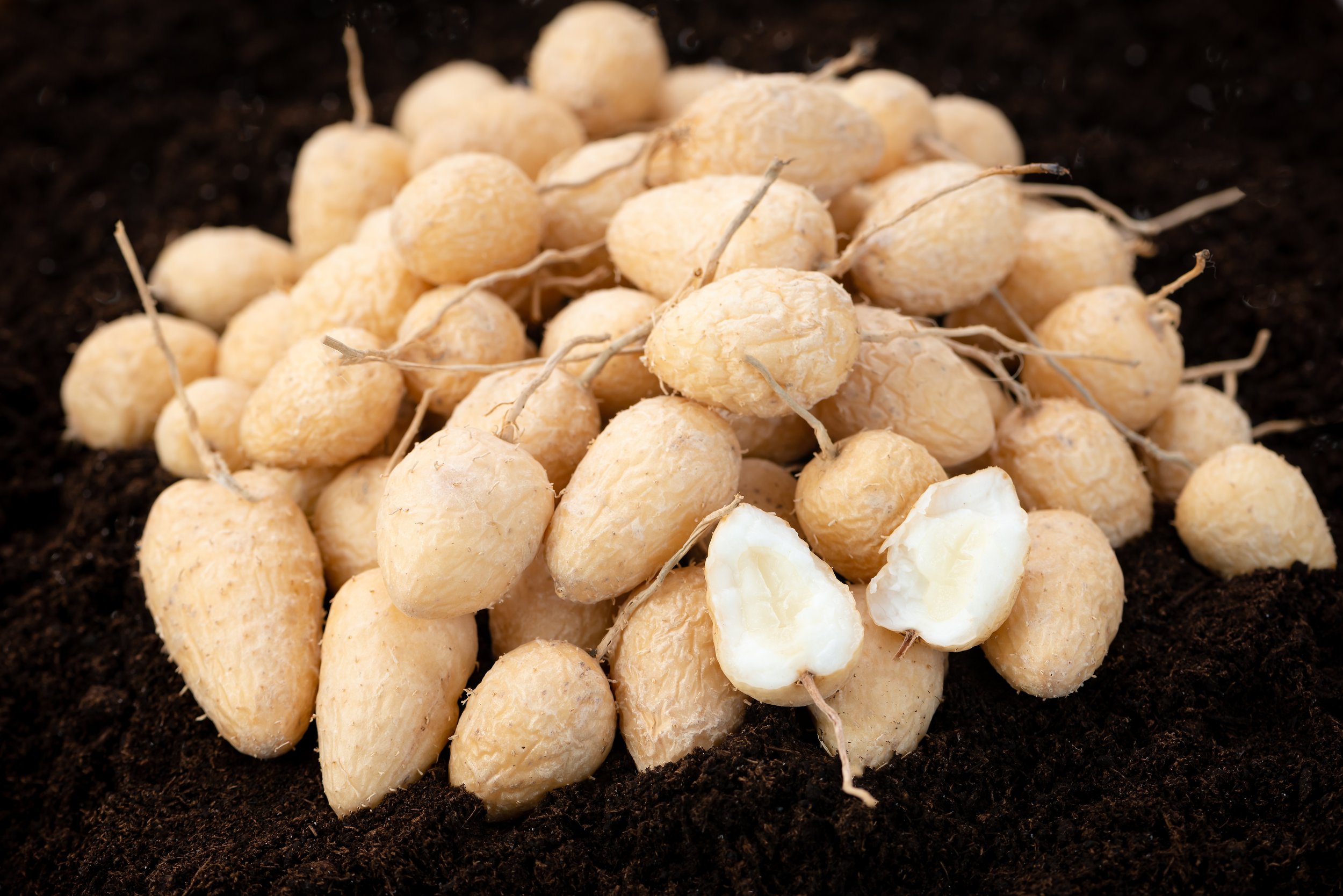
Leren - Calathea allouia
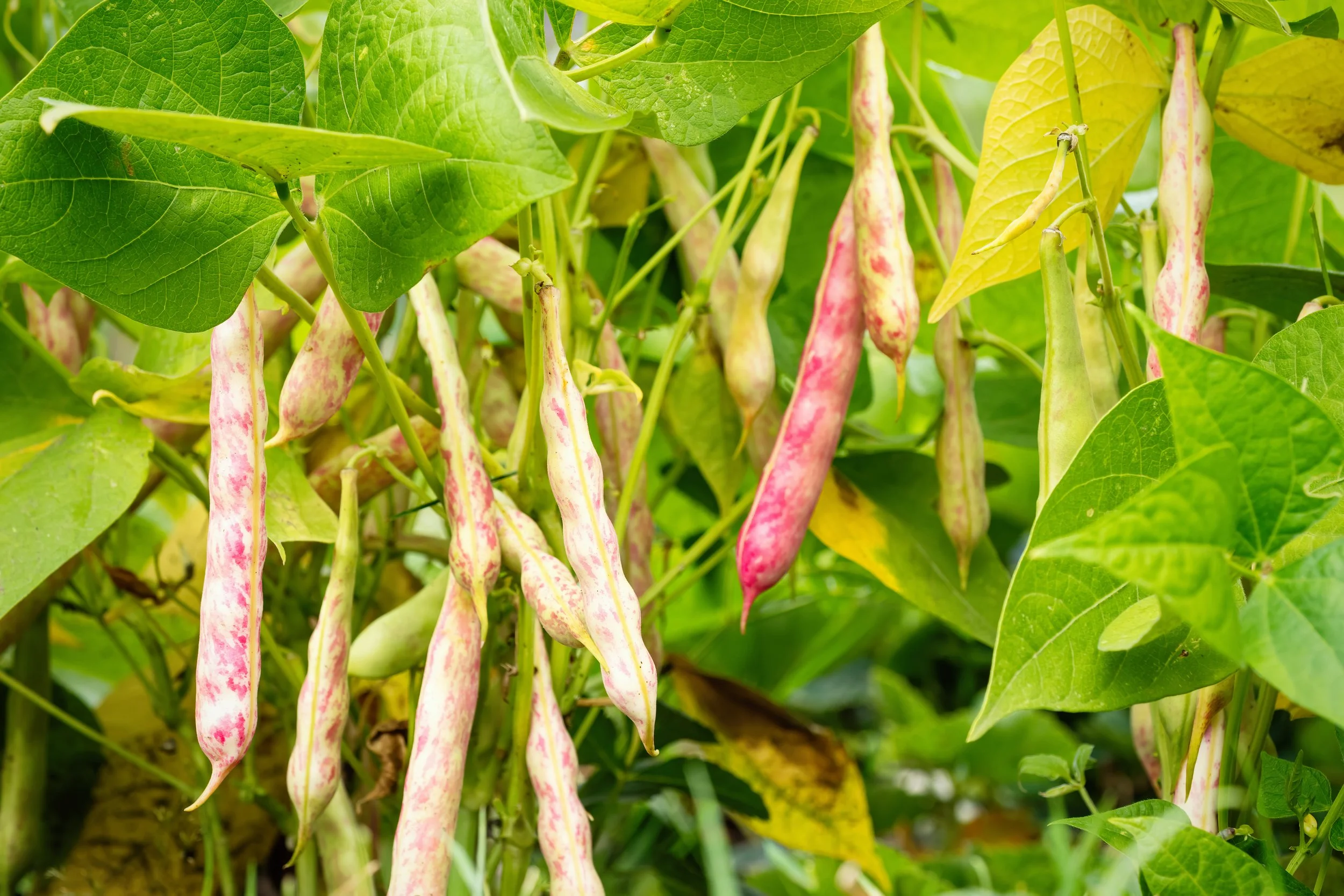
Common beans - Phaseolus vulgaris
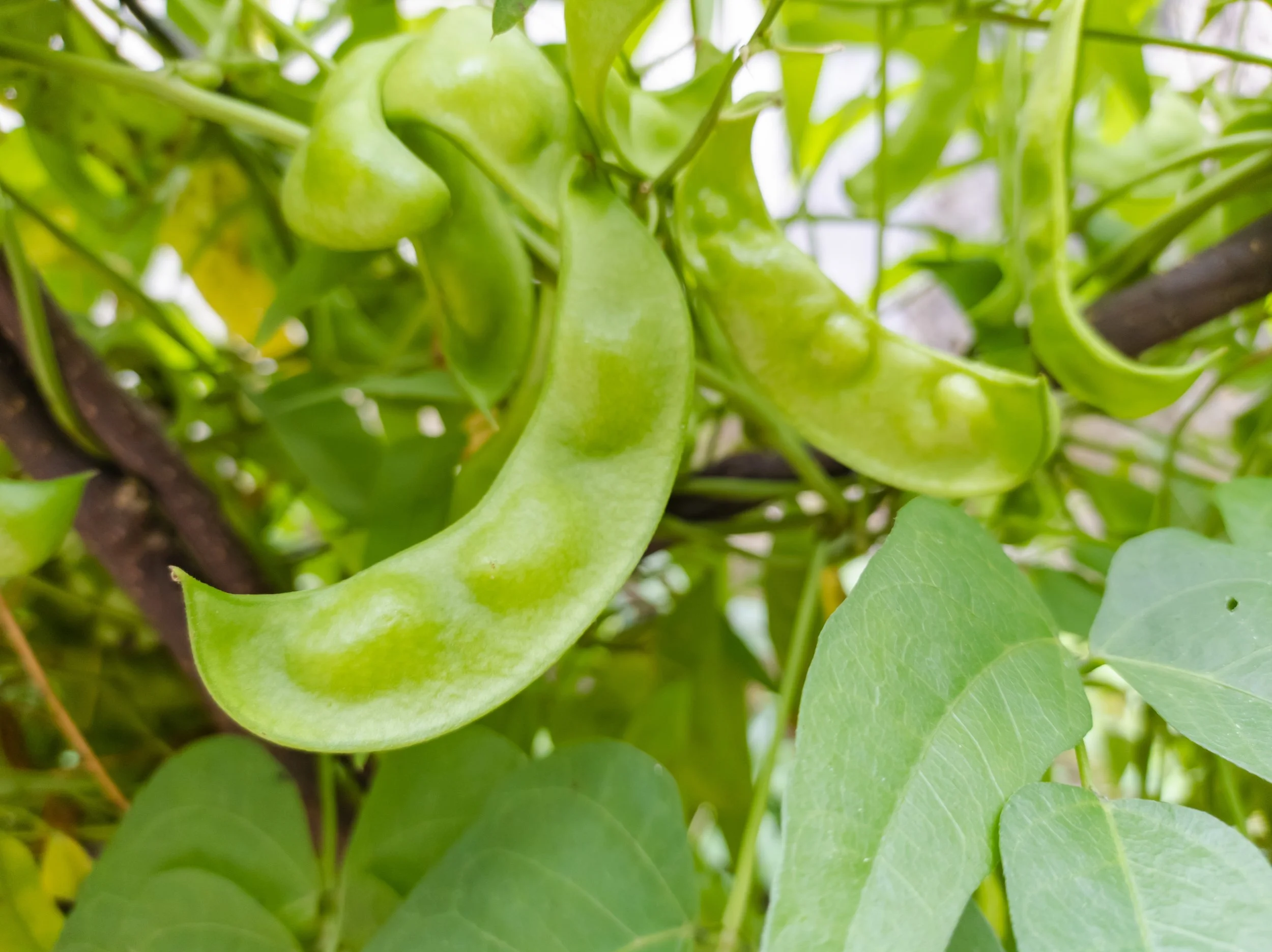
Lima beans - Phaseolus lunatus
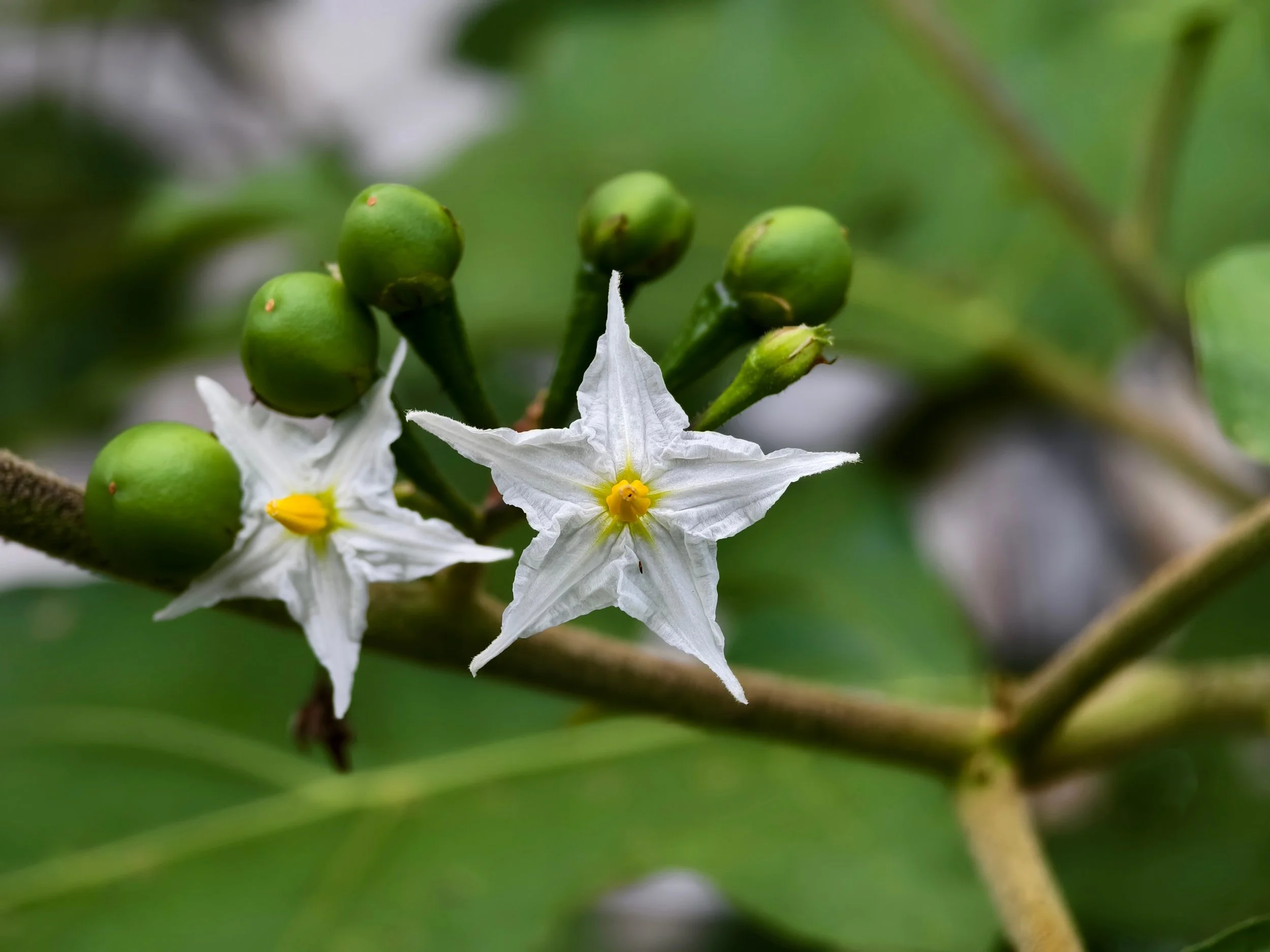
Susumber berries - Solanum torvum
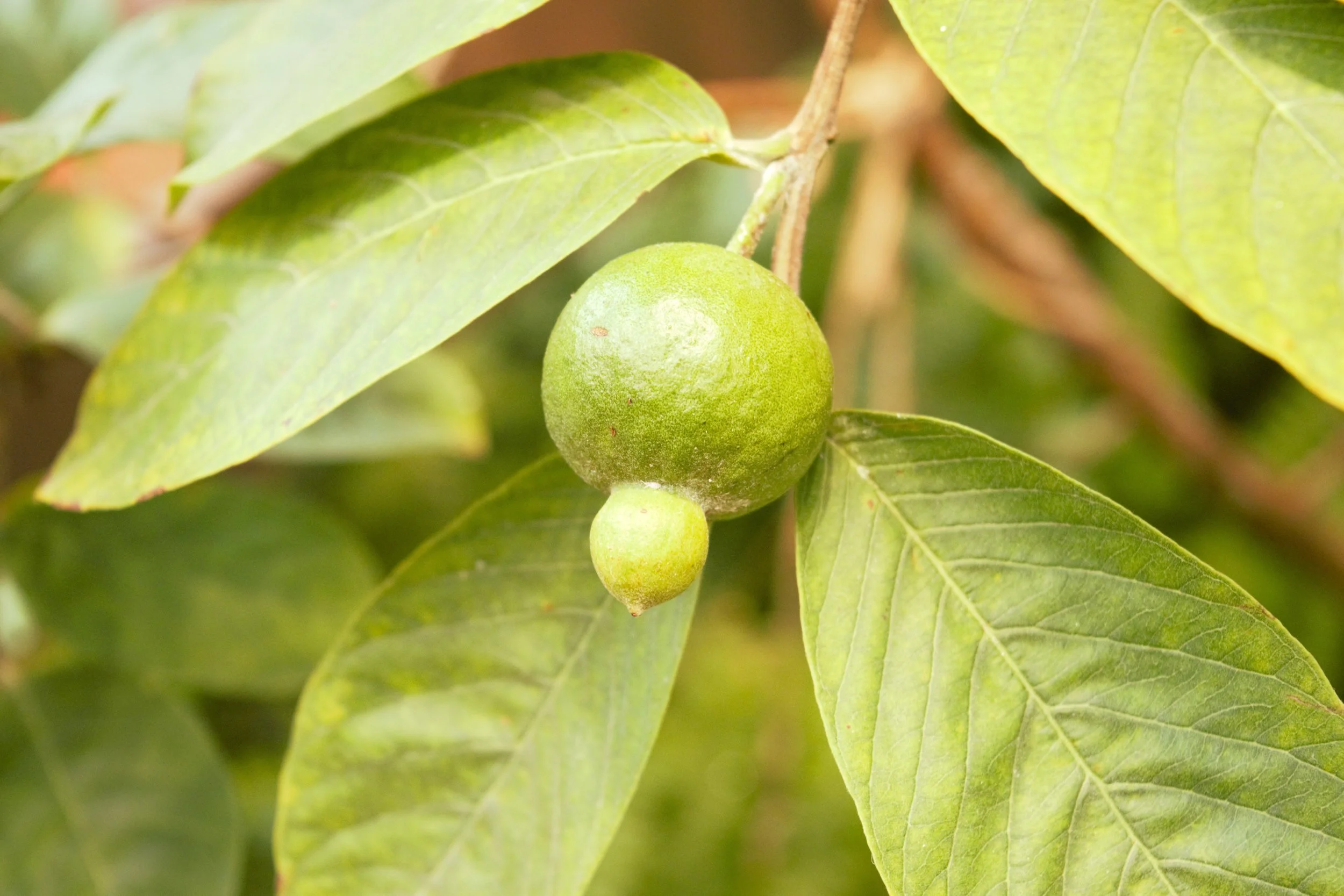
Guava – Psidium guayaba
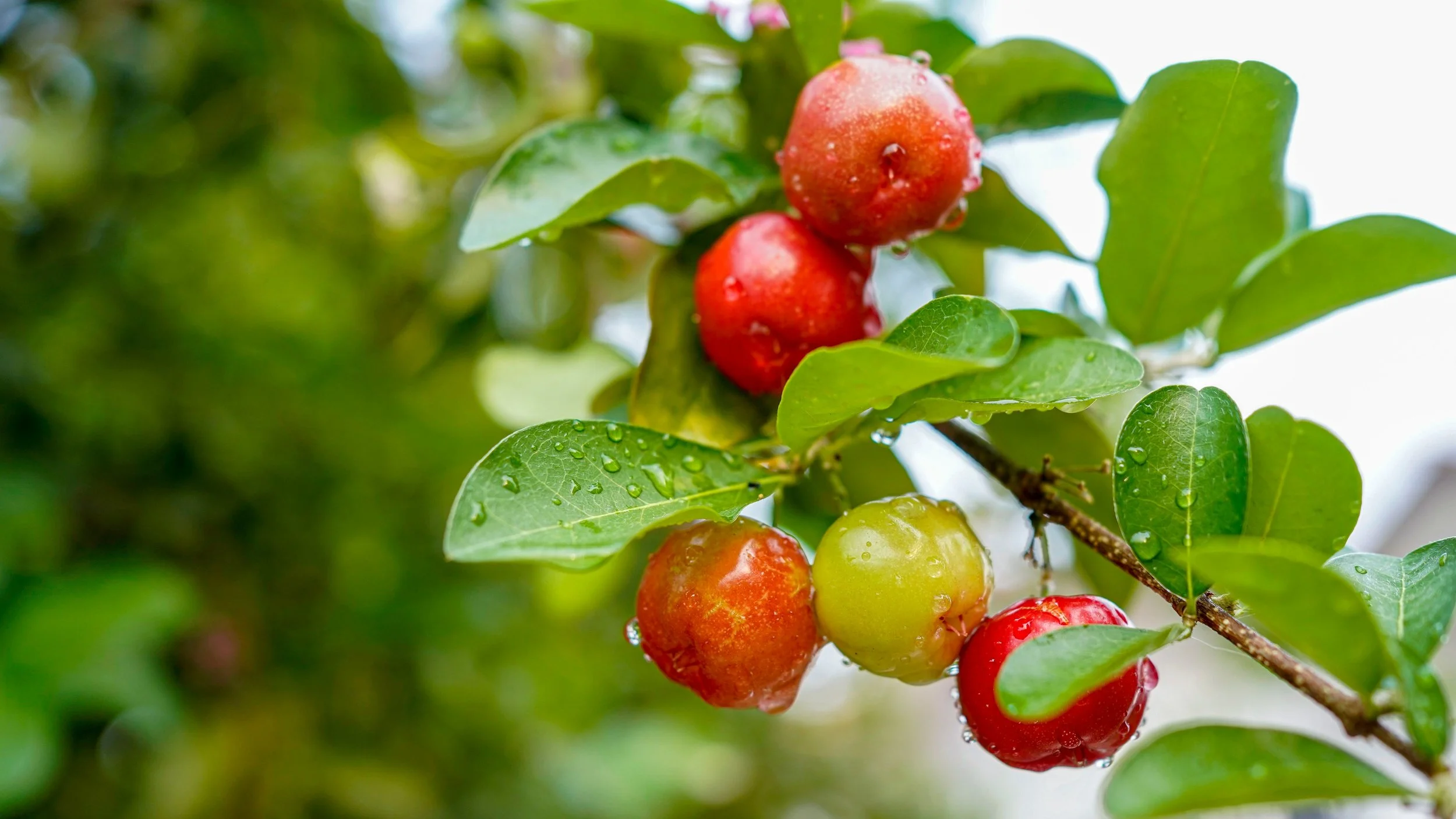
Acerola - Malpighia emarginata
To be continued - next week Part 2 !!
Amazing !
Call us - we know how to grow many of these !
PLANT SPECIALISTS
GREENING NEW YORK FOR OVER 53 YEARS !
Article written by our Staff Horticulturist, Peter B Morris, BSc, MSc, MBA
All photographs used with permission @SHUTTERSTOCK