
The American Pawpaw
Introduction
Asimina triloba, the American papaw, pawpaw, among many regional names, is a species of small deciduous tree. The tree's scientific name comes from the Powhatan word Asimina, which a Jamestown settler transcribed in 1612 as "wheat plum".
The plant
It has large leaves and produces a large, yellowish green to brown fruit. Fresh fruits of the pawpaw are commonly eaten raw, either chilled or at room temperature. However, they can be kept only 2–3 days at room temperature. This short shelf-life, is a primary barrier to the success of pawpaw as a commercial fruit.
Where are they from ?
The species is native to eastern North America, in a more temperate range than its tropical relatives. It is a patch-forming understory tree of hardwood forests. It prefers well-drained, deep, fertile bottomland and also hilly upland habitat.
What pawpaw tastes like
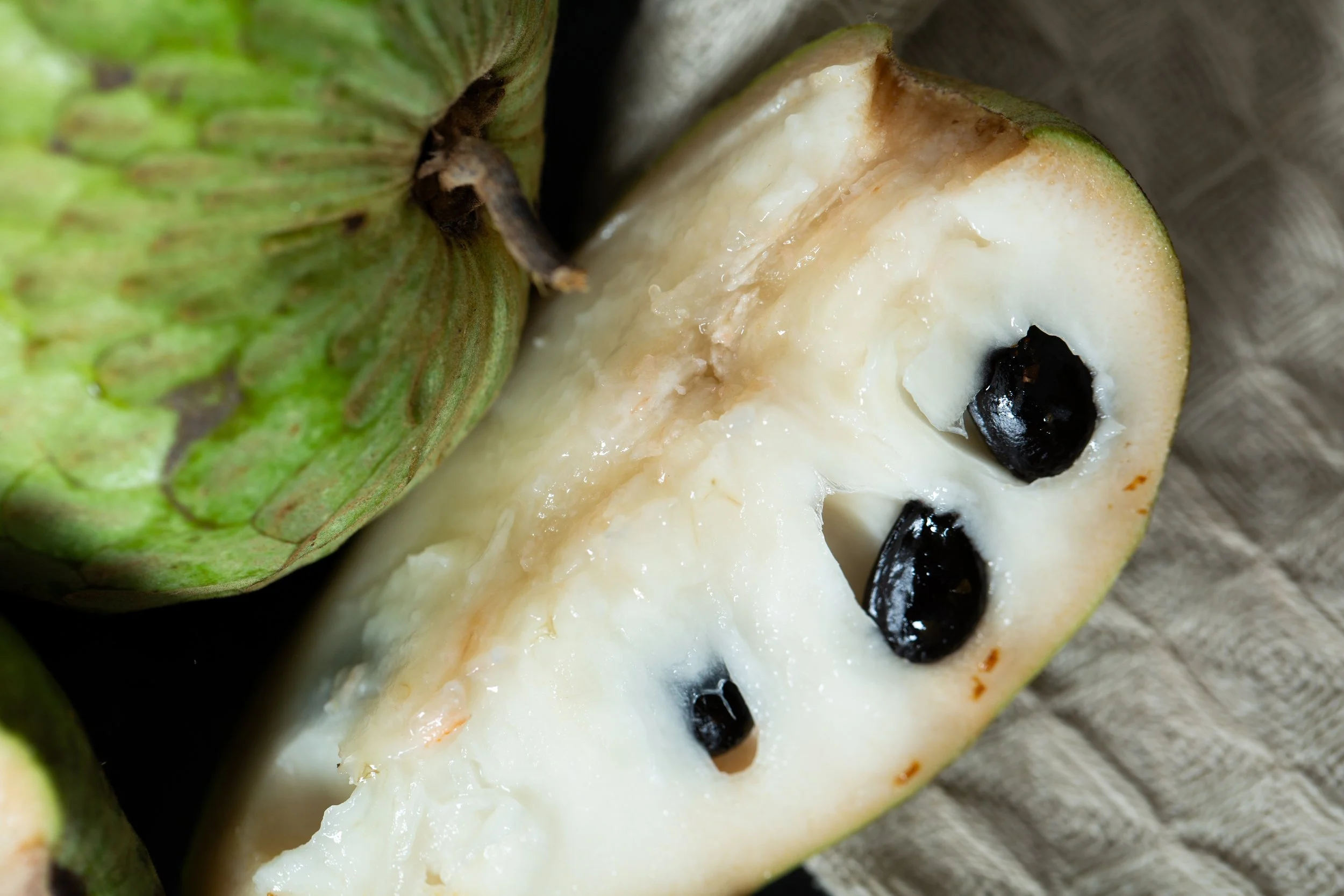
The flavor is often described as a combination of mango, banana, and pineapple, with a creamy texture like custard. The flavor can become richer and more caramelly as the fruit ripens.
What to know before eating
Do not eat the seeds or skin, as they are not good for you. Use caution when cooking as some people report stomach discomfort from cooked pawpaw. If you bake with it, be cautious and consider long cooking methods like jam a last resort.
While pawpaws have a long history of safe consumption, a few sources mention a very rare connection between large consumption and certain neurological diseases, so moderation is key.
How to eat pawpaw
The fruit should feel soft when squeezed, like a ripe peach, and have a sweet, fruity smell. The skin is typically green even when ripe. Cut the fruit lengthwise with a knife and twist the halves apart. Use a spoon to scoop out the custard-like, yellow flesh.
The fruit contains large, smooth, inedible seeds that should be spit out or pressed out with a spoon.
Toxicity
Yes, pawpaw can be toxic, though the fruit pulp is generally safe to eat in moderation. Eating high amounts are linked to neurodegenerative diseases. Caused directly by annonacin, a substance that is toxic to cortical neurons. The bark, leaves, and skin of the pawpaw plant are also considered poisonous.
The toxins in the bark, leaves, and twigs are known to cause skin irritation - similar to poison ivy. The sap can also cause a reaction. Do not eat unripe fruit as it can contain high levels of latex.
Ok – so may be just one !
Pests
None. Imagine that !
We can get you one !
It’s a small tree and will fit anywhere !
PLANT SPECIALISTS
GREENING NEW YORK FOR OVER 53 YEARS !
Article written by our Staff Horticulturist, Peter B Morris, BSc, MSc, MBA
All photographs used with permission @SHUTTERSTOCK