Plants used by the Indigenous people of the Caribbean Islands (Part 2)
Introduction
Continuing the subject of plants used by indigenous people of the Caribbean !
In this article we are still reviewing the food plants they used. It’s amazing how many food plants they cultivated.
The third and forth sections will review plants used for seasoning, beverages, cooking methods, medicine, culture, tools, utensils, and materials. Stay tuned next week !!
Food plants
Soursop – Annona muricata
The fruit, also known as guanábana, is a native part of the landscape and was cultivated by pre-Columbian Indigenous communities. The Taino called It wanabana.
Cashew – Anacardia occidentale
The Taino called it Pahuil. In Borikén (Puerto Rico) and Kiskeia (Dominican Republic), what are understood to be Taino words for cashew are still used today. Native to northern Brazil it is assumed it was cultivated based on the presence of the indigenous names for the fruit. The names all seem to be related linguistically to the term for cashew used in indigenous Tupian languages.
Peanuts – Arachys hypogaea
Indigenous peoples grew peanuts, which are native to South America. The Taíno people, who inhabited the islands when the Spanish arrived, called the legume maní, a name still used in many Spanish-speaking Caribbean countries today.
Acorns – Quercus sagraena – or Quercus cubana
On Cuba, acorns from local oak trees were collected and consumed - probably from western part of the island.
Acorns contain high levels of bitter tannins that must be leached out before consumption. The indigenous preparation process typically involved shelling, grinding the acorns into meal or flour, and then repeatedly soaking or rinsing them with water until the tannins were removed and the bitter taste was gone.
Once processed, the acorn meal could be used in various ways, such as in porridges, soups, stews, or baked into bread
Coco plum – Chrysobalano icacos
A fruit native to the Caribbean that was consumed by indigenous peoples. The plum like fruit can be eaten fresh, while the other parts of the plant have been traditionally used to treat various ailments.
Guinep – Meliococcus bijugatus
A small, grape-like fruit native to the islands that was eaten for its tart flavor. Indigenous to South and Central America and the Caribbean, kenepa as they called it is a fruit with a sweet-tart, citrusy, and tangy flavor that tastes like a mix of lime and lychee.
Also known by many other names like quenepa, mamoncillo, and Spanish lime, this tropical fruit grows on large trees and has a green rind with an orange, gelatinous pulp that is eaten around a slippery seed.
Star apple – Chrysophyllum caimito
This purple fruit is also thought to be native to the islands. The indigenous Caribbean star apple, or caimito in Taino. Named for the star pattern revealed when sliced.
It is a sweet, juicy fruit with a milky or jelly-like pulp and can be found in purple or green varieties. The fruit can be eaten raw, with the latex-filled skin discarded, or used in preserves, desserts, and juices.
Seaside grapes – Cocoloba uvifera
These native grape-like fruits grew near the coast and were part of the diet.
Mamey apple - Mammea americana
An orange flesh brown fruit related to mangosteen eaten in the Caribbean. The word mamey was later used to describe a different similar plant called mamey sapote – Pouteria sapota – from Mexico.
Cacti fruits
Indigenous peoples ate the fruits of the prickly pear cactus. Opuntia is one of the most widely known and consumed in the Caribbean. The Spanish name for the fruit, "tuna," was adopted Taíno in Haiti - tuni. The Spanish also called them higos de la India – figs of India.
Fruit range in color from green to red, with orange shades in between. Their flavor is described as similar to watermelon, pear, or kiwi. The edible fruit, which contains many tiny seeds, must be carefully peeled to remove the small, hair-like spines known as glochids.
While the pads (nopales) of the prickly pear cactus were a crucial food source for indigenous peoples in other regions like Mexico and the American Southwest the Caribbean people only ate of the fruit.
Opuntia dilleniid
A common species found in the dry coastal scrublands of St. John, where both the pads and the red, pear-shaped fruit are edible.
Opuntia ficus-indica
This species was originally domesticated in Mexico, but was an important cultivated food crop in the Caribbean for centuries.
Stenocereus fimbriatus
The West Indian pitaya is one of the native Caribbean cacti that produces a delicious fruit. Also referred to as dragon fruit in some regions. The Taino called it pitahaya – which means scaly fruit.
Depending on the species, the flesh can be sweet or sour and comes in various colors, including white, red, or yellow. The skin has a distinct leather-like texture with scaly spikes.
Selenicereus
Species from this genus also produce an edible pitaya fruit, though the exact native origin of some is debated. They are oddly epiphytic in nature and grow in trees like bromeliads and orchids !
Selenicereus grandifloras
Also known as the Queen of the Night, this is a common species with large, fragrant flowers.
Selenicereus pteranthus
Also called Princess of the Night, this species is found on several Caribbean islands and produces a spiny pink fruit.
Selenicereus triangularis
Found in the Caribbean, this species is known to climb on cliffs and in forests.
Melon Cactus (Melocactus)
Native to the Caribbean, this round cactus forms a "hat-like" top called a cephalium when mature, from which it produces small, pink, edible fruits that resemble peppers.
Melocactus intortus
The most common species, found in the Lesser Antilles, Virgin Islands, and Puerto Rico, as well as the Bahamas.
Melocactus lemairei
Endemic to Hispaniola.
Melocactus nagyi, M. perezassoi, M. holguinensis, and M. guitartii, are native to Cuba.
Aruba, Bonaire, and Curaçao are also home to different Melocactus species.
Hispaniolan Applecactus (Harrisia divaricata)
A native Caribbean species that yields an edible fruit. Its fruit was a popular food source for early Indigenous peoples and may have been transported from the Caribbean to Florida long ago.
They are all slender columnar cacti with many species endemic to the Caribbean. The flowers are typically whitish, fragrant, and open only at night. Fruits are spineless, yellow berries with black seeds.
One species, Harrisia portoricensis, is endemic to the Puerto Rican Archipelago and is listed as a threatened species due to habitat loss from feral goats and pigs.
Arrowroot- Maranta arundinacea
Indigenous Caribbean peoples like the Arawak cultivated and used arrowroot, for food and medicine. The Arawak term "aru-aru" may have been the original name for the plant, which Europeans later corrupted to "arrowroot" due to its medicinal use in treating poisoned arrow wounds.
Apio- Arracacia xanthorrhiza
In the Caribbean, the term apio refers to the root vegetable arracacha (Arracacia xanthorrhiza), which was introduced from the Andes Mountains by indigenous communities thousands of years ago.
It is a starchy root vegetable with a flavor often compared to a blend of celery and parsnip and is a traditional ingredient in Puerto Rican cuisine and other parts of the region. It has a strong, earthy, and starchy taste. The flesh can be white, yellow, or purple.
While the word apio is Spanish for "celery," the Caribbean root is a different plant than the familiar celery stalk or celeriac (celery root).
Avocado- Persea americana
This fruit was a source of fat and calories. Indigenous Caribbean avocados are part of the West Indian type, also called Alligator Pears, which are native to the Americas. They are known for their large size, smooth, buttery, and sometimes fibrous flesh, and a mild, creamy flavor. Often called Aguacate Guiro it is well-suited to Caribbean climates .
These are distinct from the smaller, richer, and oilier Hass variety, with West Indian avocados having a higher water content and a sweeter taste that is a staple in Caribbean cuisine.
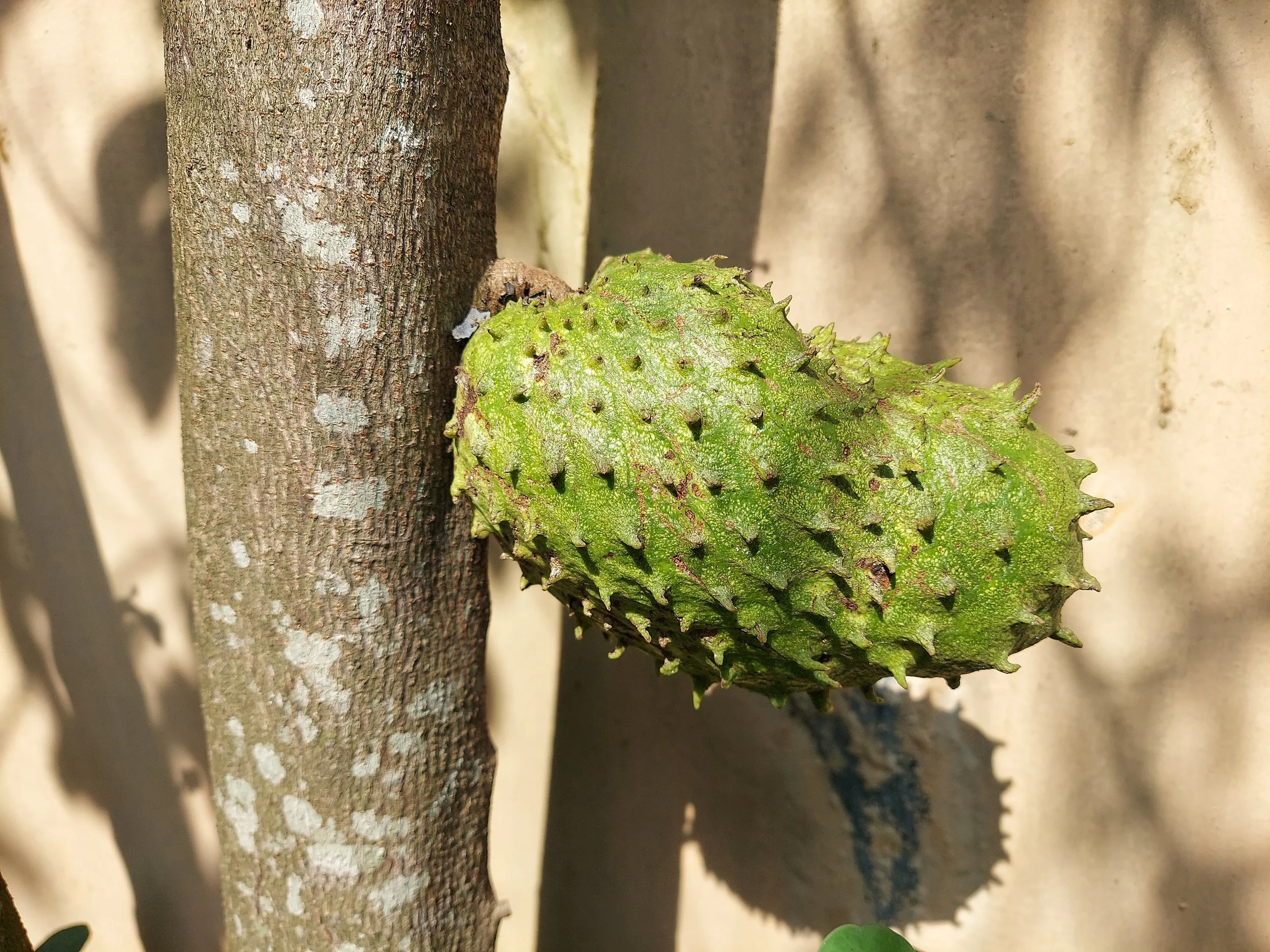
Soursop – Annona muricata
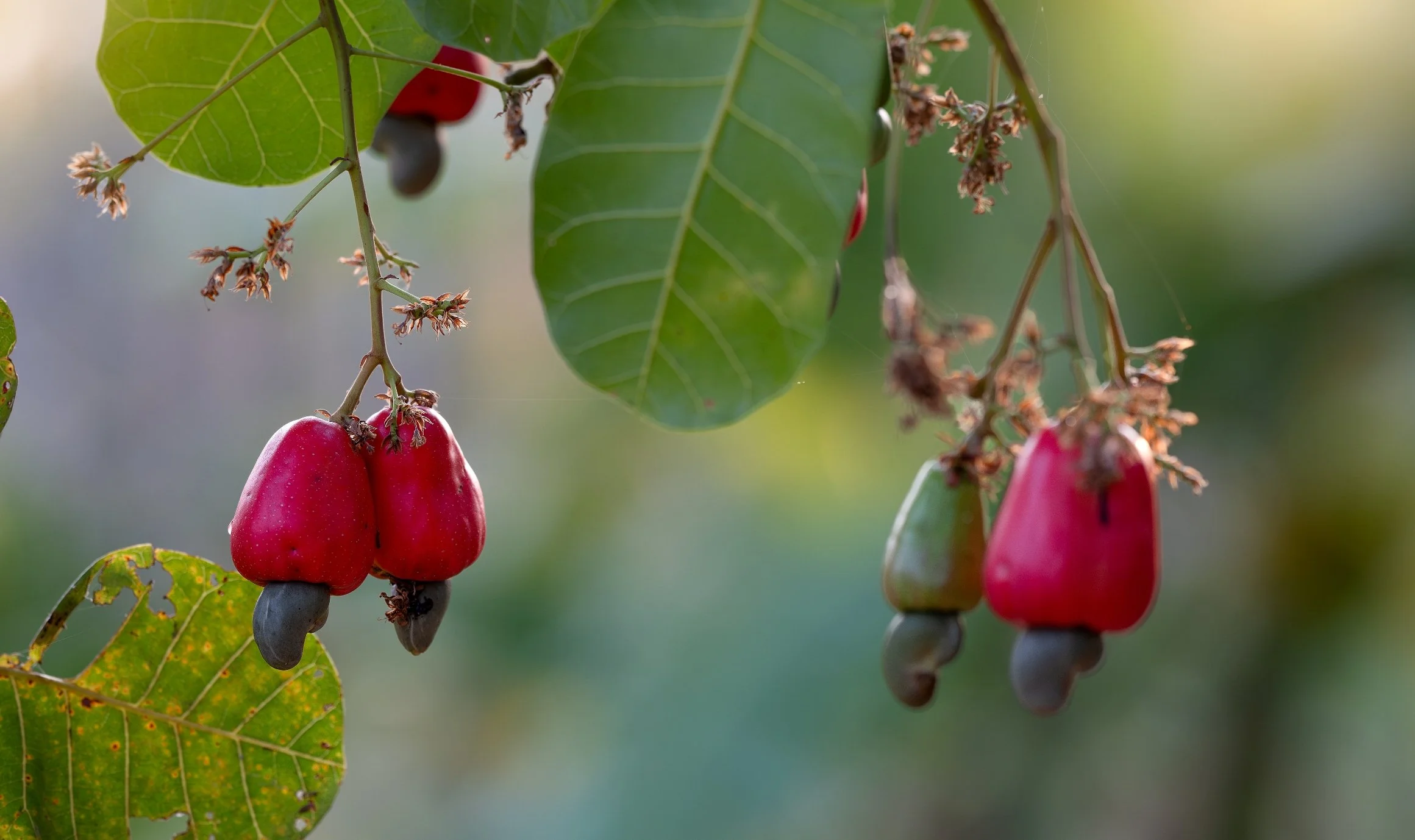
Cashew – Anacardia occidentale
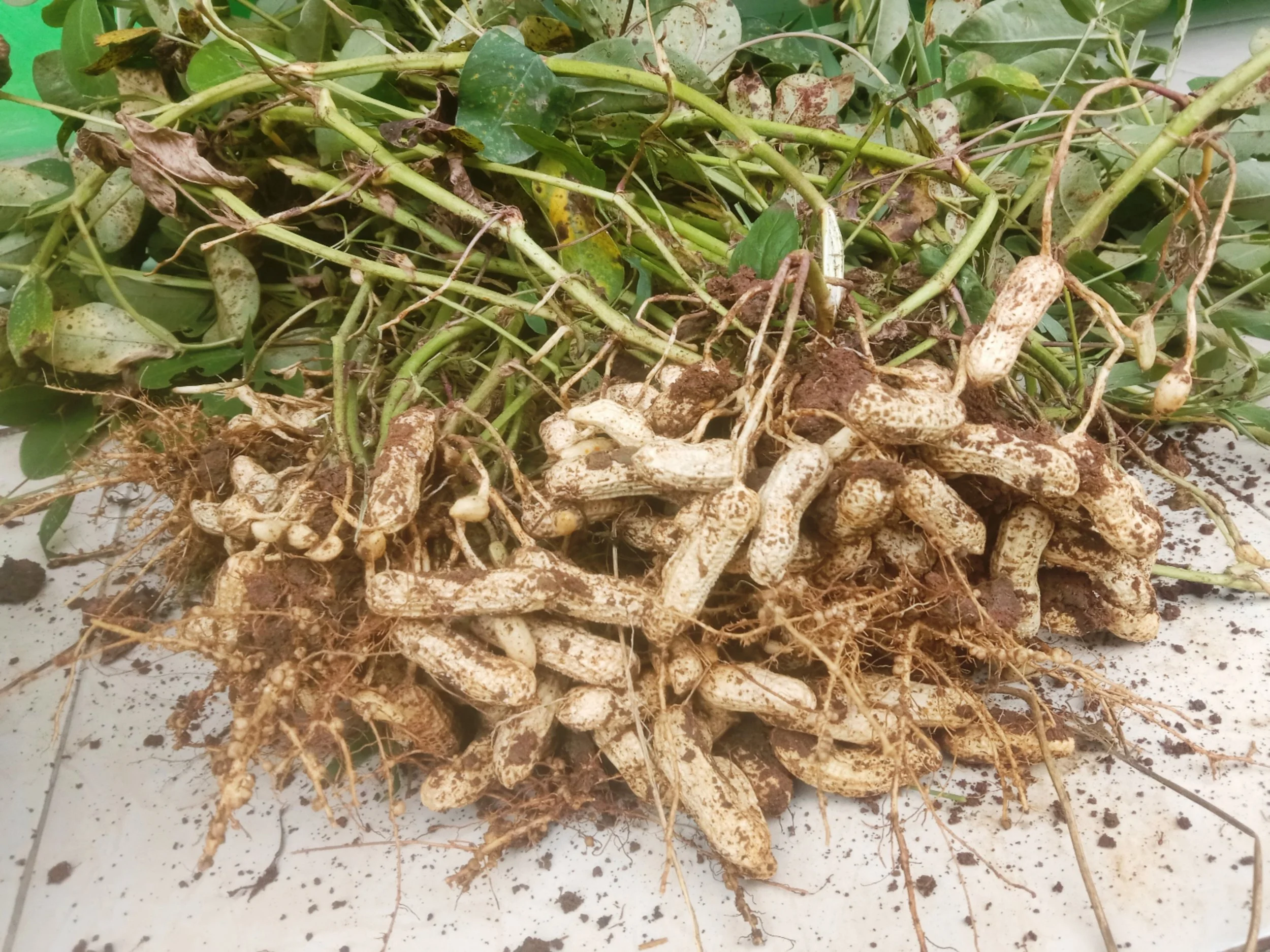
Peanuts – Arachys hypogaea
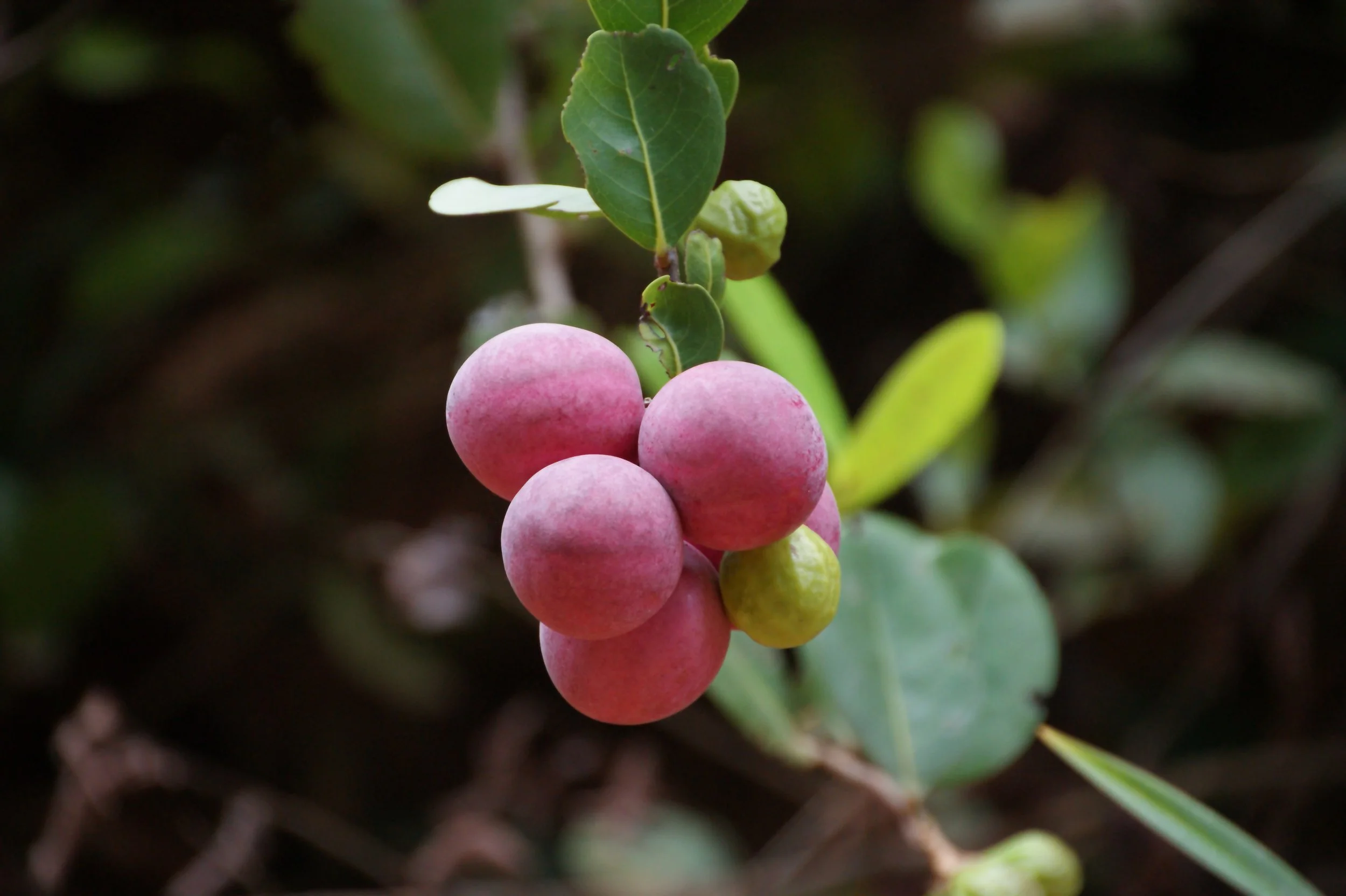
Coco plum – Chrysobalano icacos
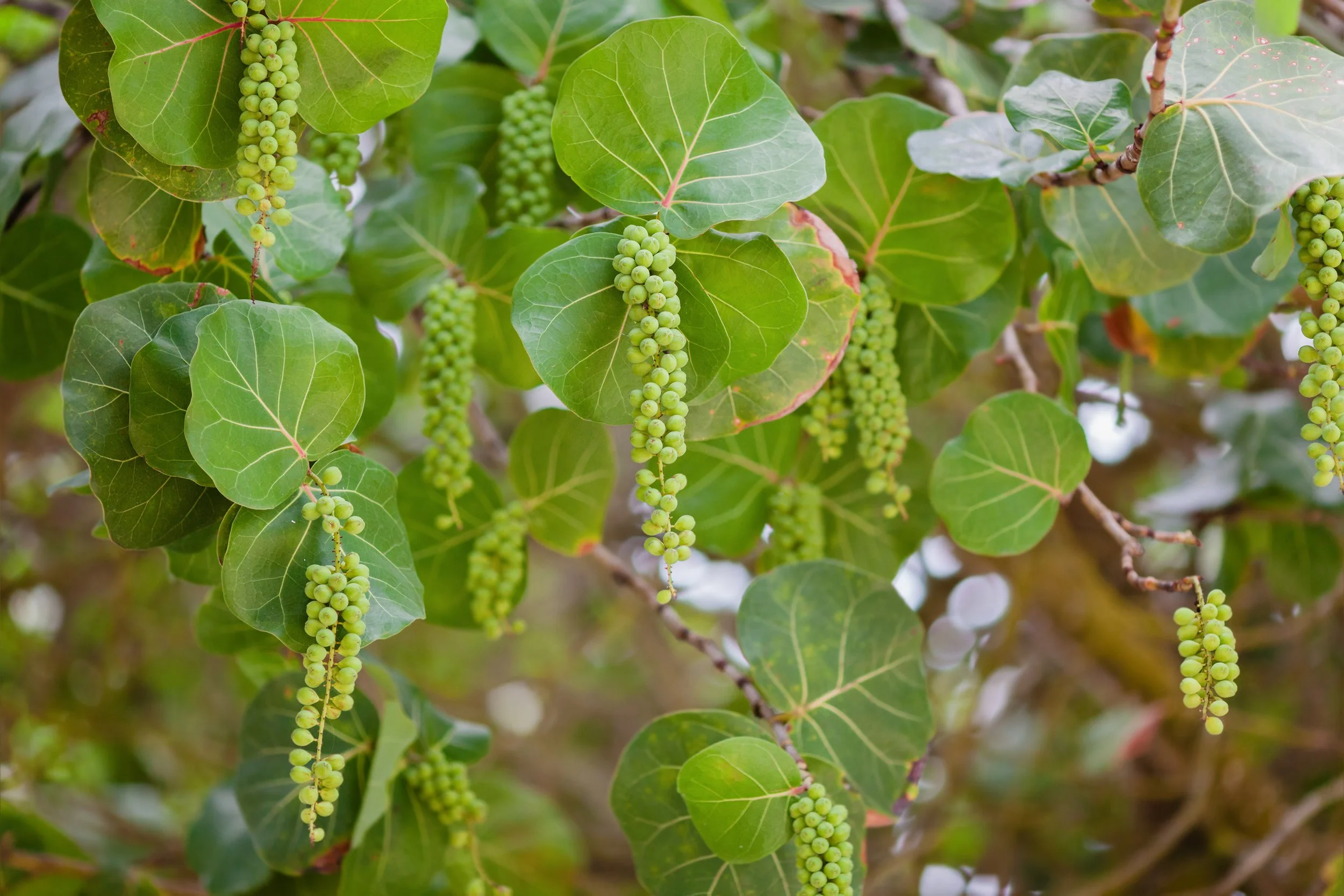
Seaside grapes – Cocoloba uvifera
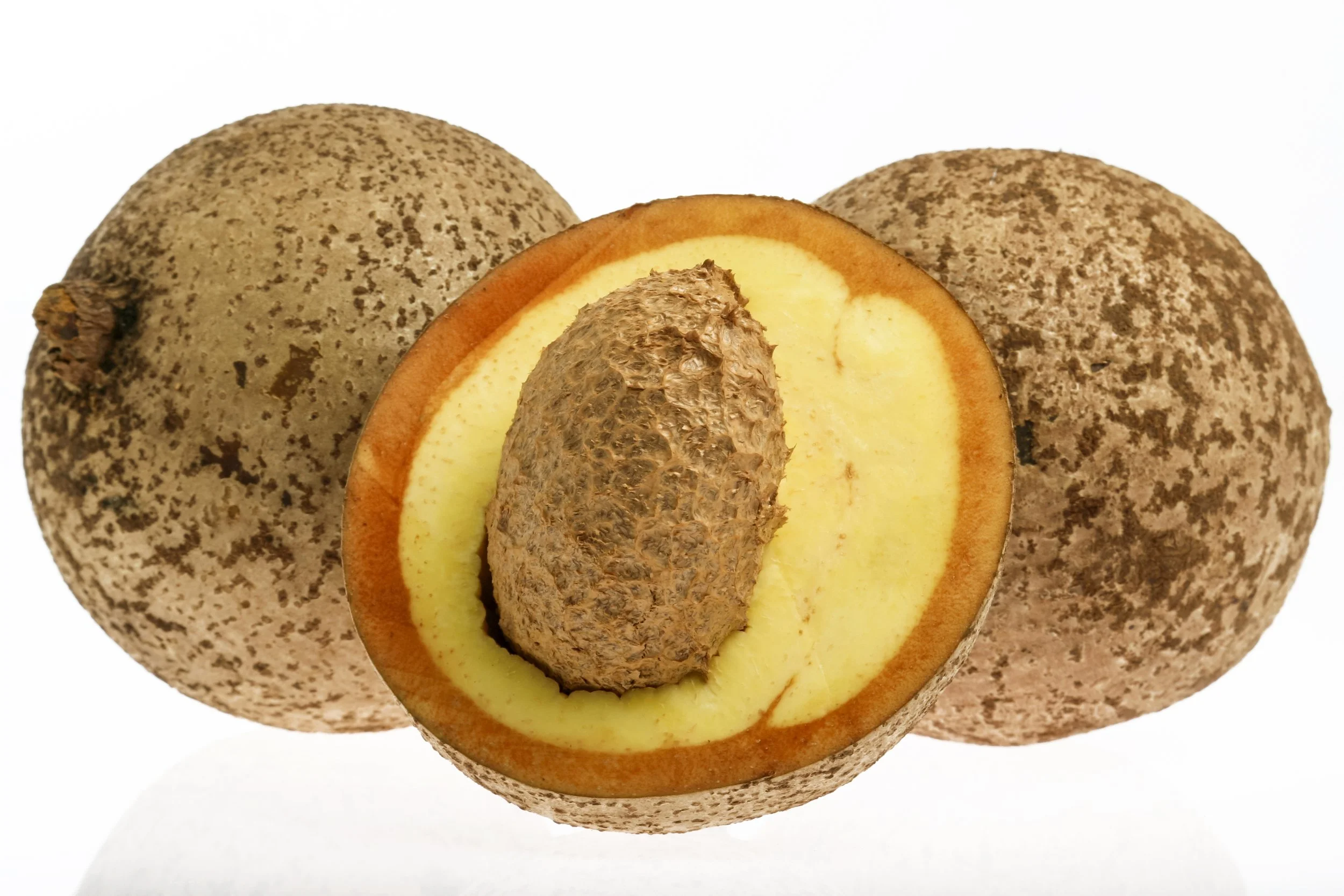
Mamey apple - Mammea americana
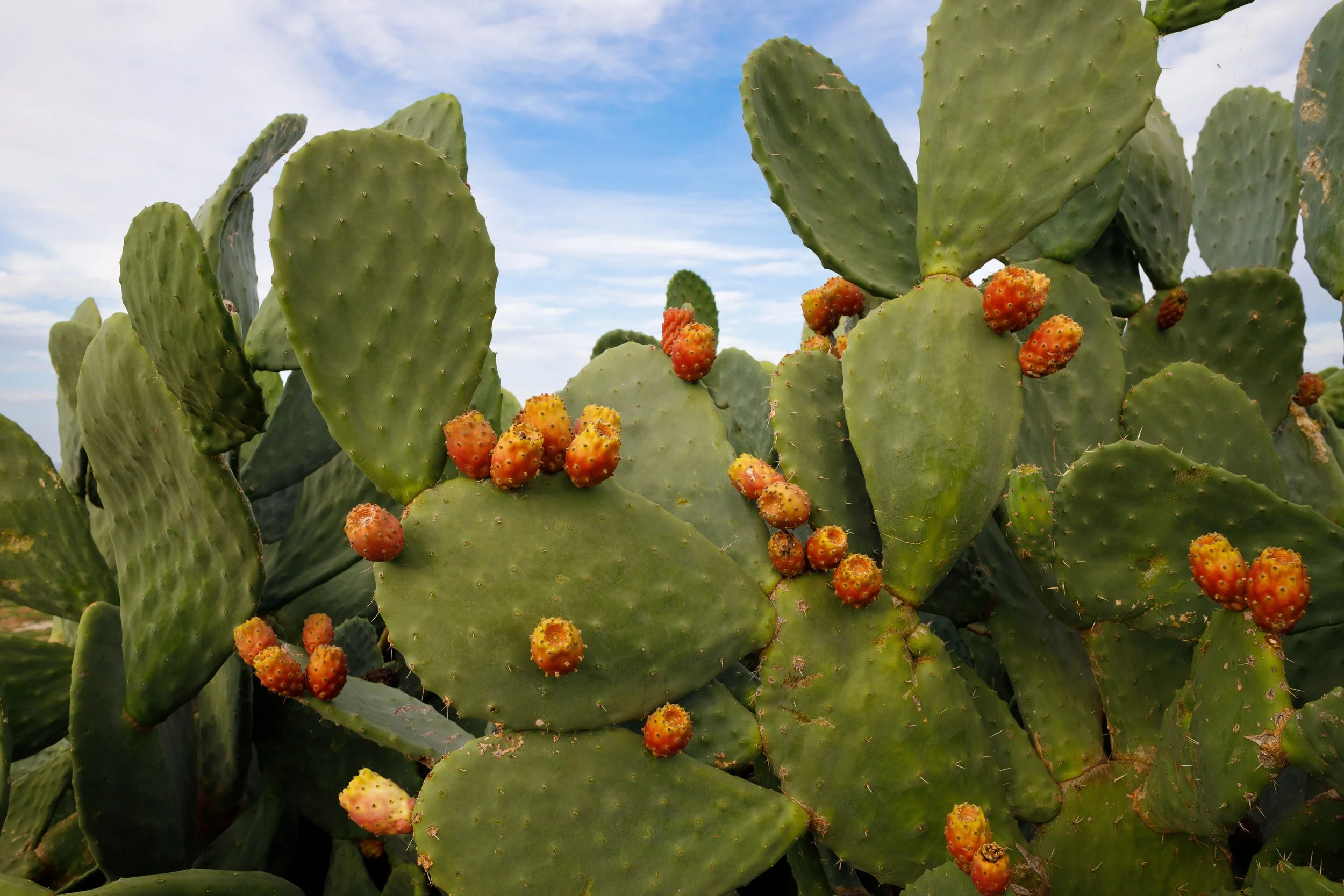
Cactus fruit - Opuntia
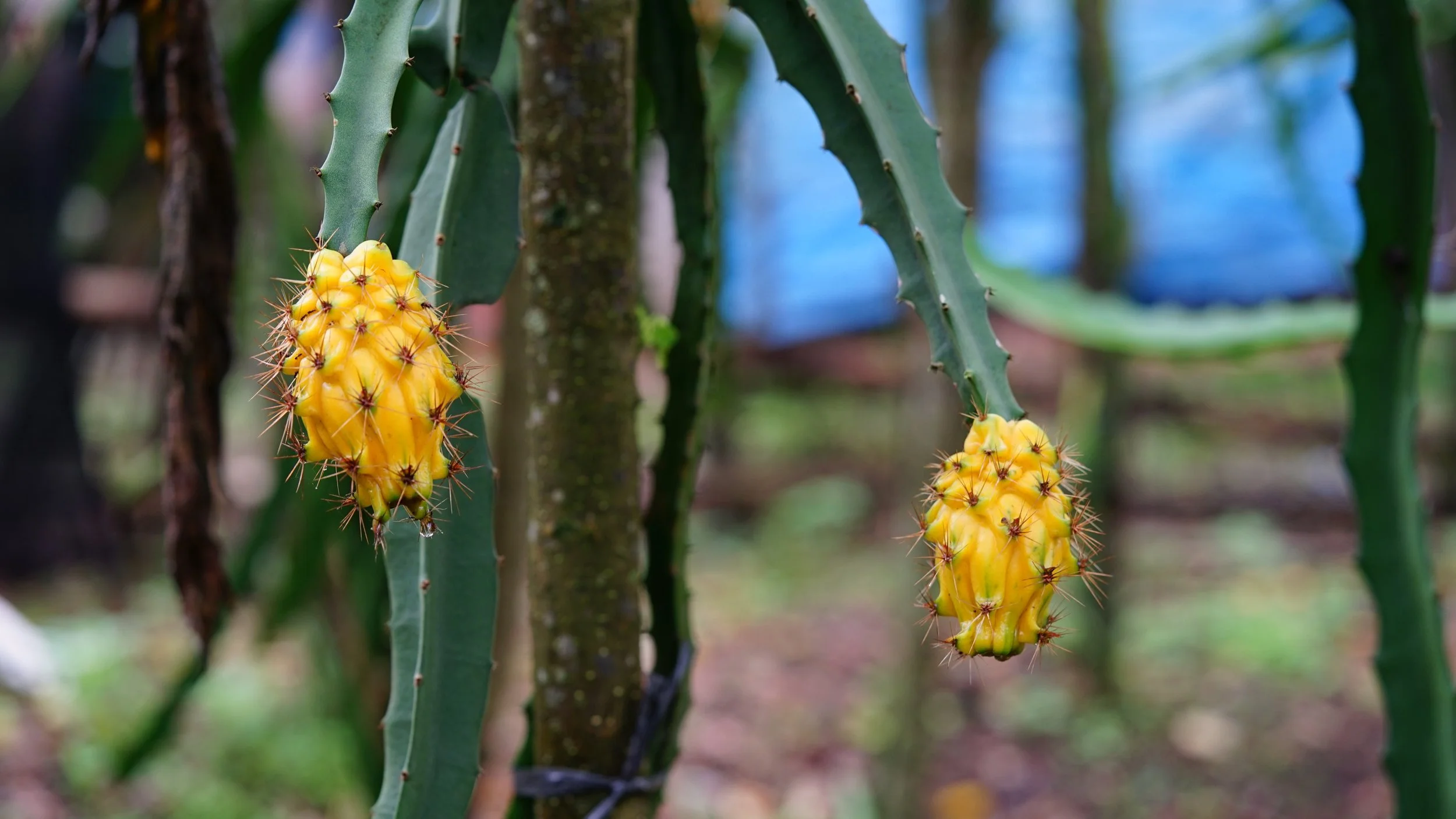
Pitaya - Selenicereus
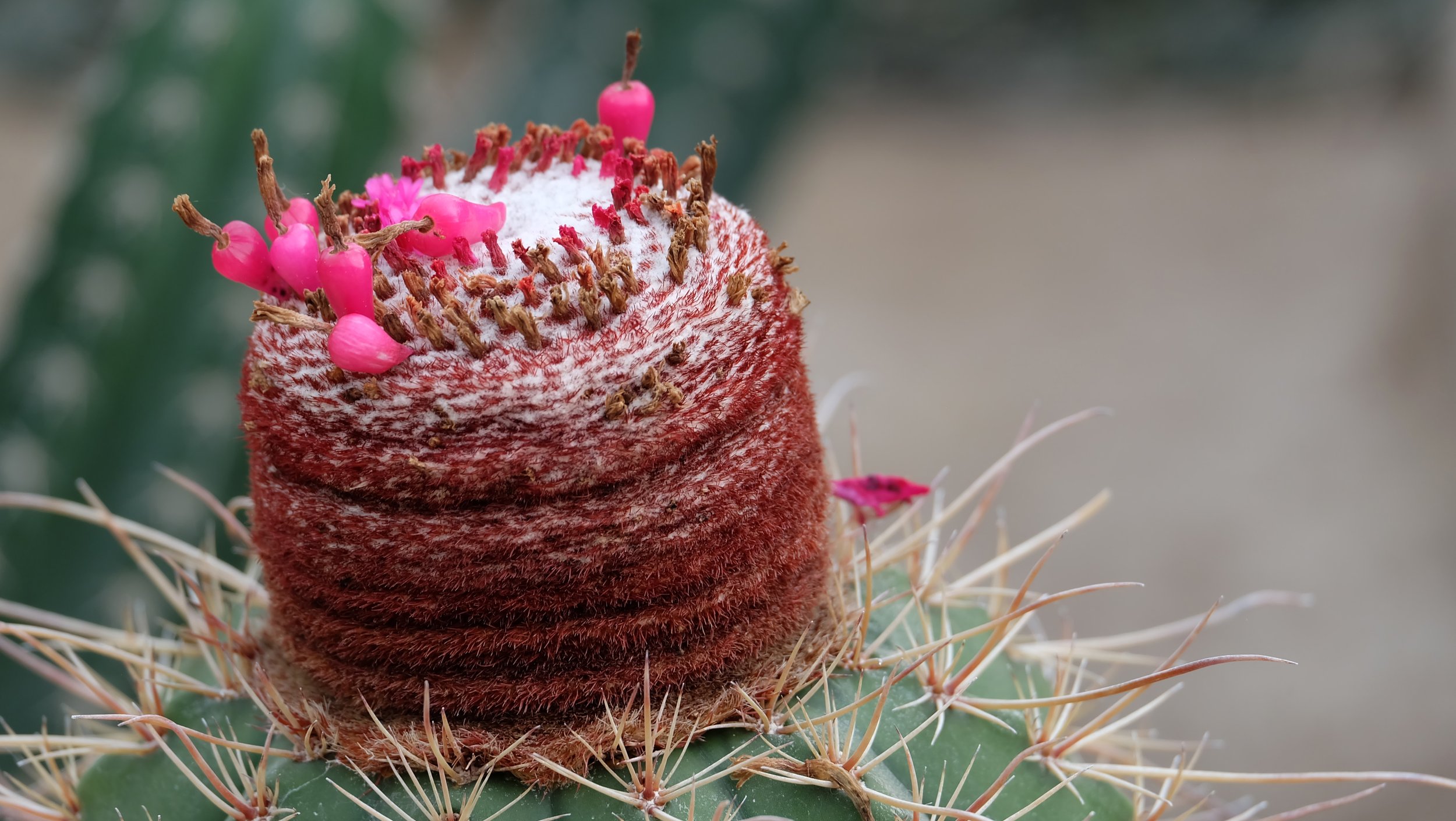
Melocactus intortus
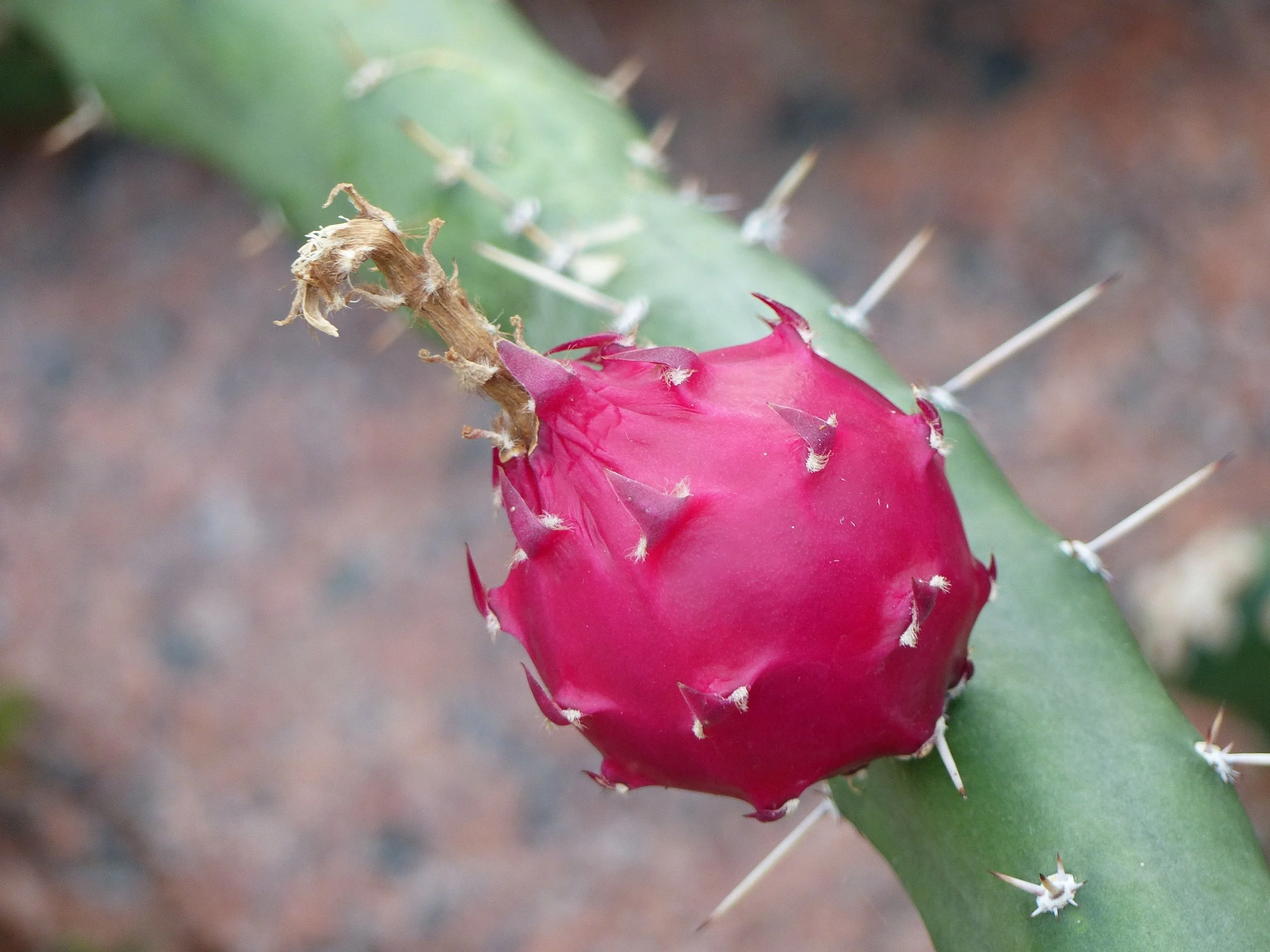
Hispaniolan Applecactus (Harrisia divaricata)
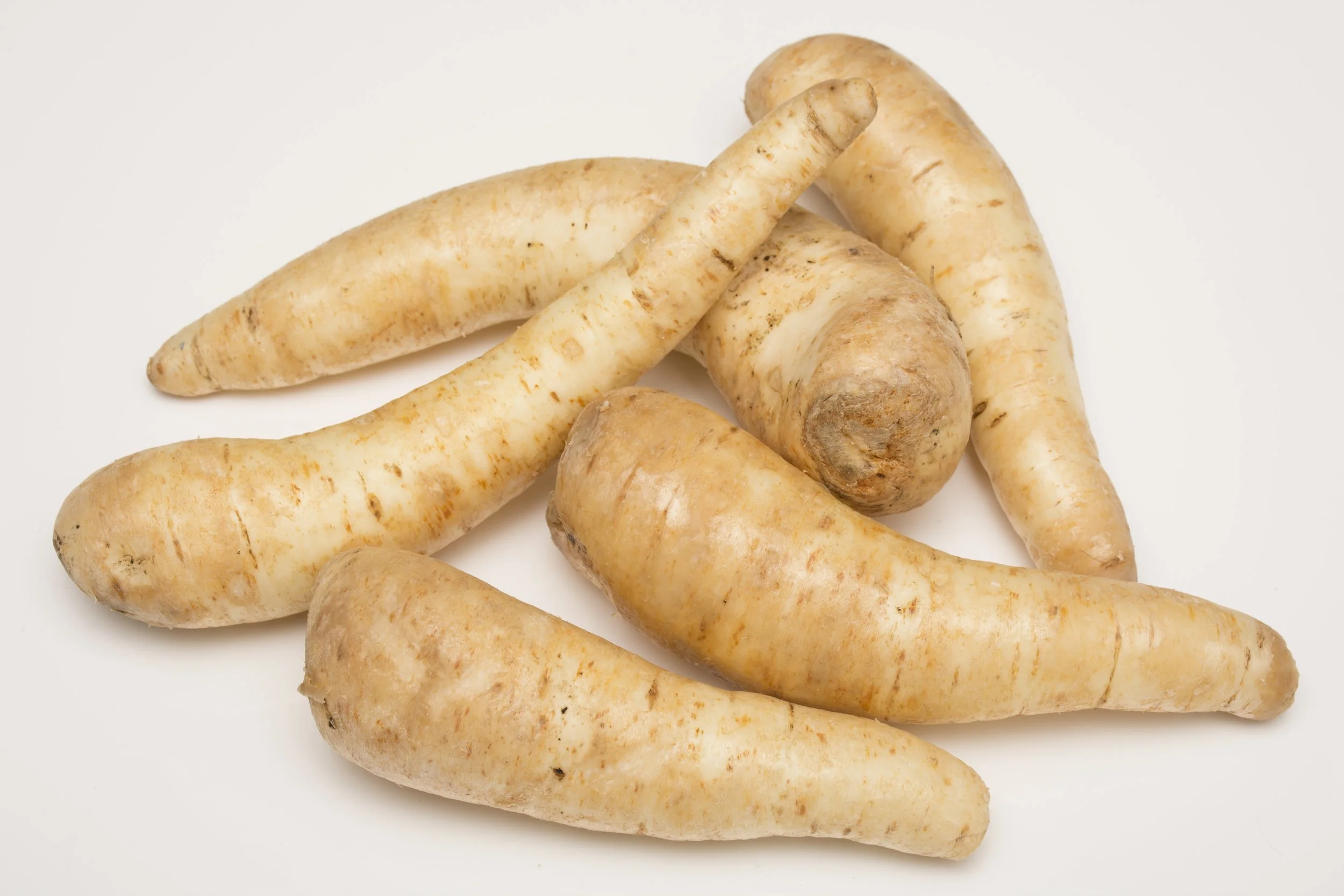
Apio- Arracacia xanthorrhiza
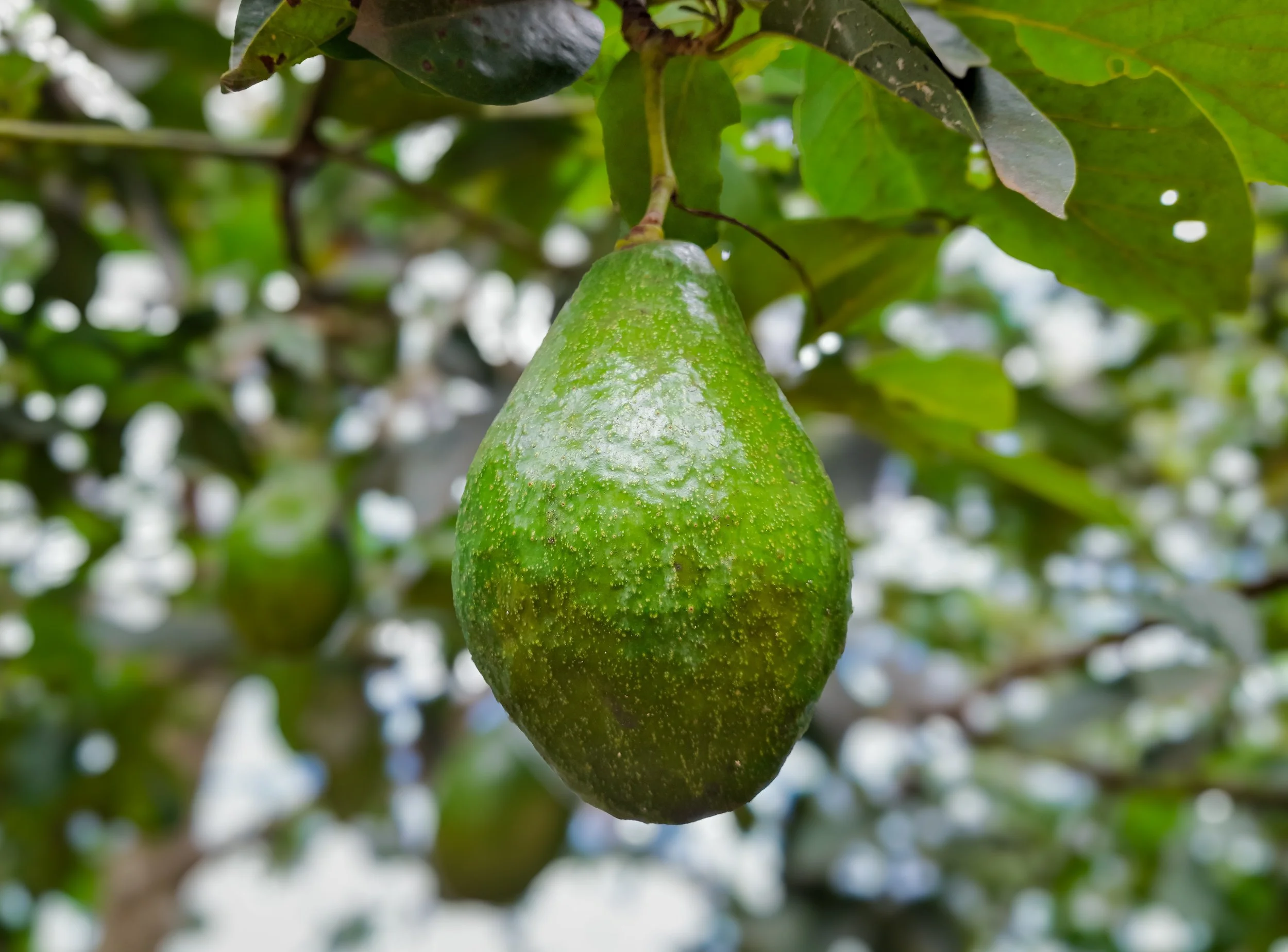
Avocado- Persea americana
Read Plants used by the Indigenous people of the Caribbean Islands Part 3 here
Amazing !
PLANT SPECIALISTS
GREENING NEW YORK FOR OVER 53 YEARS !
Article written by our Staff Horticulturist, Peter B Morris, BSc, MSc, MBA
All photographs used with permission @SHUTTERSTOCK