Plants used by the Indigenous people of the Caribbean Islands (Part 4)
Introduction
This is the final article on indigenous plants of the Caribbean. Great learning journey so far !
Tools and Utensils
Calabash gourds - Crescentia cujete
The Taíno used these gourds for practical purposes rather than primarily for food. The hard, dried shells were used to make containers for storage and drinking, and for crafting utensils (spoons), and ceremonial rattles (maracas).
The hard shells were dried, hollowed out, and sometimes decorated with intricate carvings. The primary Taino word for the calabash gourd was higuera or jiguera.
Bottle gourds - Lagenaria siceraria
The word güira (or wira) refers to the bottle gourd and also the musical instrument made from it.
Other gourds
Indigenous islanders also cultivated and used gourds, including some varieties of squash, as containers and water jugs.
Bagná was another word for the calabash gourd, possibly with a different regional origin or referring to a specific type.
Dita is a Taino word for an eating bowl specifically made from the higuera gourd and Took-took was a medium-sized calabash gourd used to carry water.
Materials from plants
Cotton - Gossypium hirsutum
Taíno women grew, spun, and wove cotton into textiles. Called sarobey or sadow it was a highly valued material cultivated for making various items. They made small, cotton loincloths for men and nagua (skirts or aprons) for women, which were often decorated.
Cotton was also used for weaving mats and hammocks, which were a distinctive part of their culture. The famous hamaca provided a clean, comfortable, and portable bed that was safer than sleeping on the ground.
It was also used to create symbolic artifacts, including ceremonial belts and figures known as cemís. These were elaborate cotton creations of stuffed figures of their cemí spirits. They also made decorative belts for leaders.
Fiber plants (bejucos)
A variety of plants were used to make ropes and twine. The fibers were used for fishing nets, to tie the beams of their homes, and for other uses.
The Taíno used palm fronds, to make cordage and twine. Palm fronds, woven straw, and palm leaves were key building materials for constructing their circular family homes (bohíos) and larger rectangular dwellings for chiefs (caneyes). The plant materials provided natural insulation and protection from the elements.
The tough leaves and fibers were used to weave baskets for carrying food, storing goods, and other household uses.
Wooden resources
The Taíno were skilled woodworkers and used wood from various trees for building materials, tools, and canoes. They made dugout canoes (kanoa) from trees like the jocuma and guama.
Jocuma - Mastichodendrum foetidissimum - Sideroxylon foetidissimum
The tree's strong, dense, yellow-orange heartwood is known as "ironwood" and has been used for boat building, construction, and cabinet making.
The fibers were also used to make ropes. This rope-making was essential for their daily lives, which included crafting items like fishing nets, hammocks, and possibly other woven materials and tools.
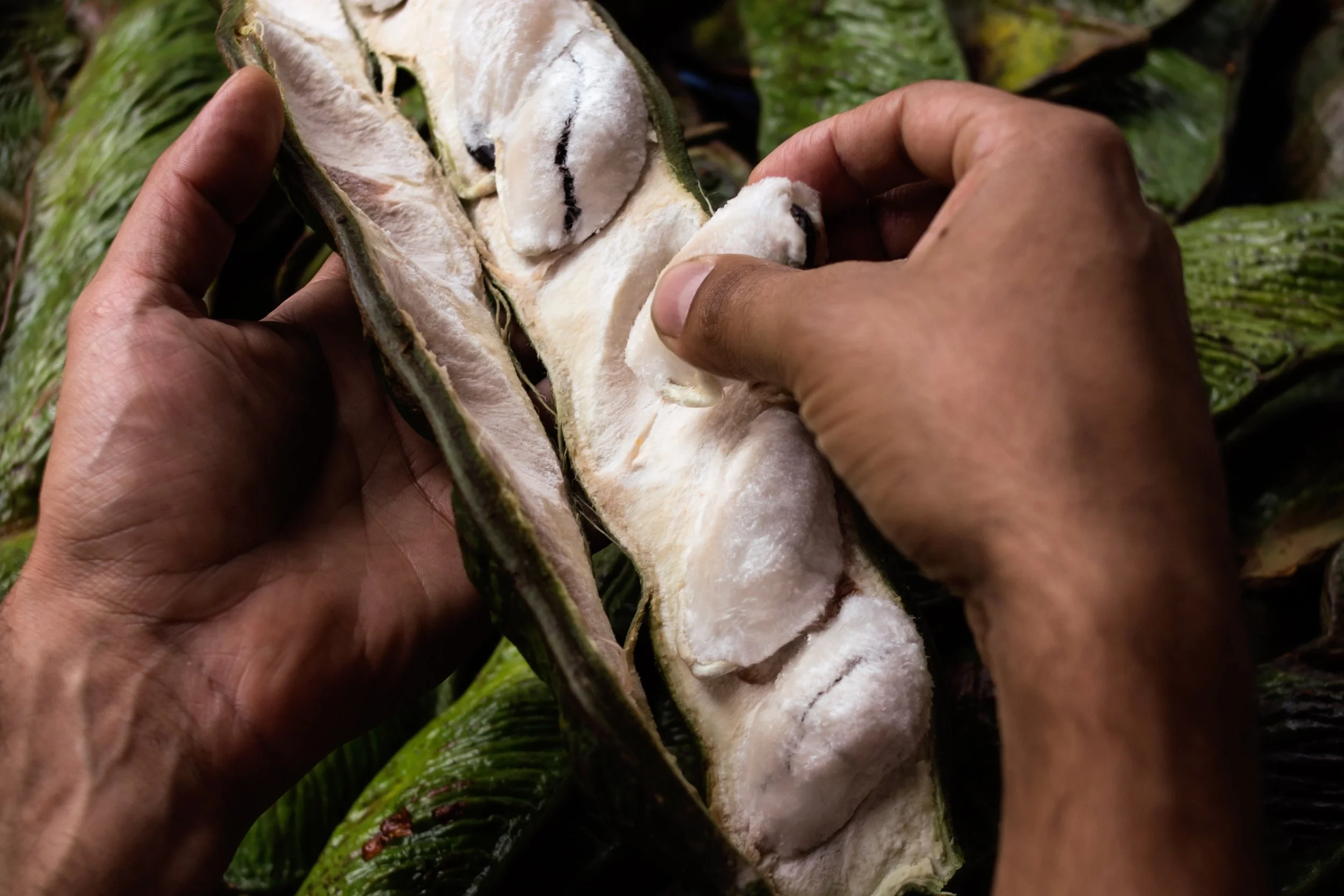
Guama – Inga edulis
Native to the Amazon rainforest it is assumed it reached the Greater Antilles before their colonization. The common name "ice-cream bean" alludes to the sweet flavor and smooth texture of the pulp of these gigantic seed pods.
Taíno used guama (or guamo) primarily for making rope and fiber ropes (bejucos). Woven goods were likely used in crafting fishing nets, baskets, mats, and hammocks.
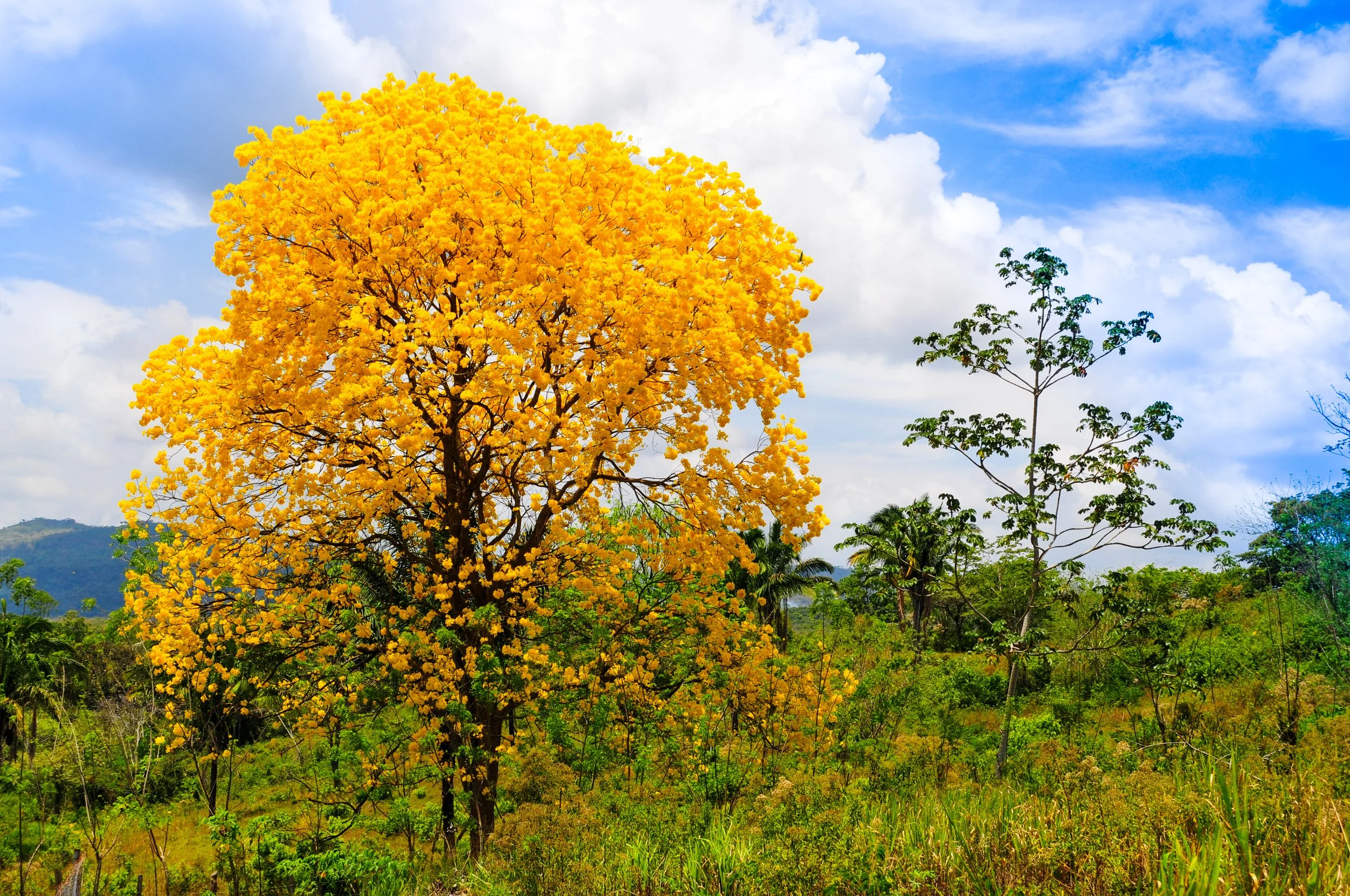
Guayacan – Lignum vitae
The dense guayacán wood, another hardwood, was used for elaborate carvings like the ceremonial seat, or duho, for chiefs. Used by them to communicate with the spirit world and during the ball game (batey).
The wood was also used for carving other ornamental and ceremonial items, including idols (cemíes).
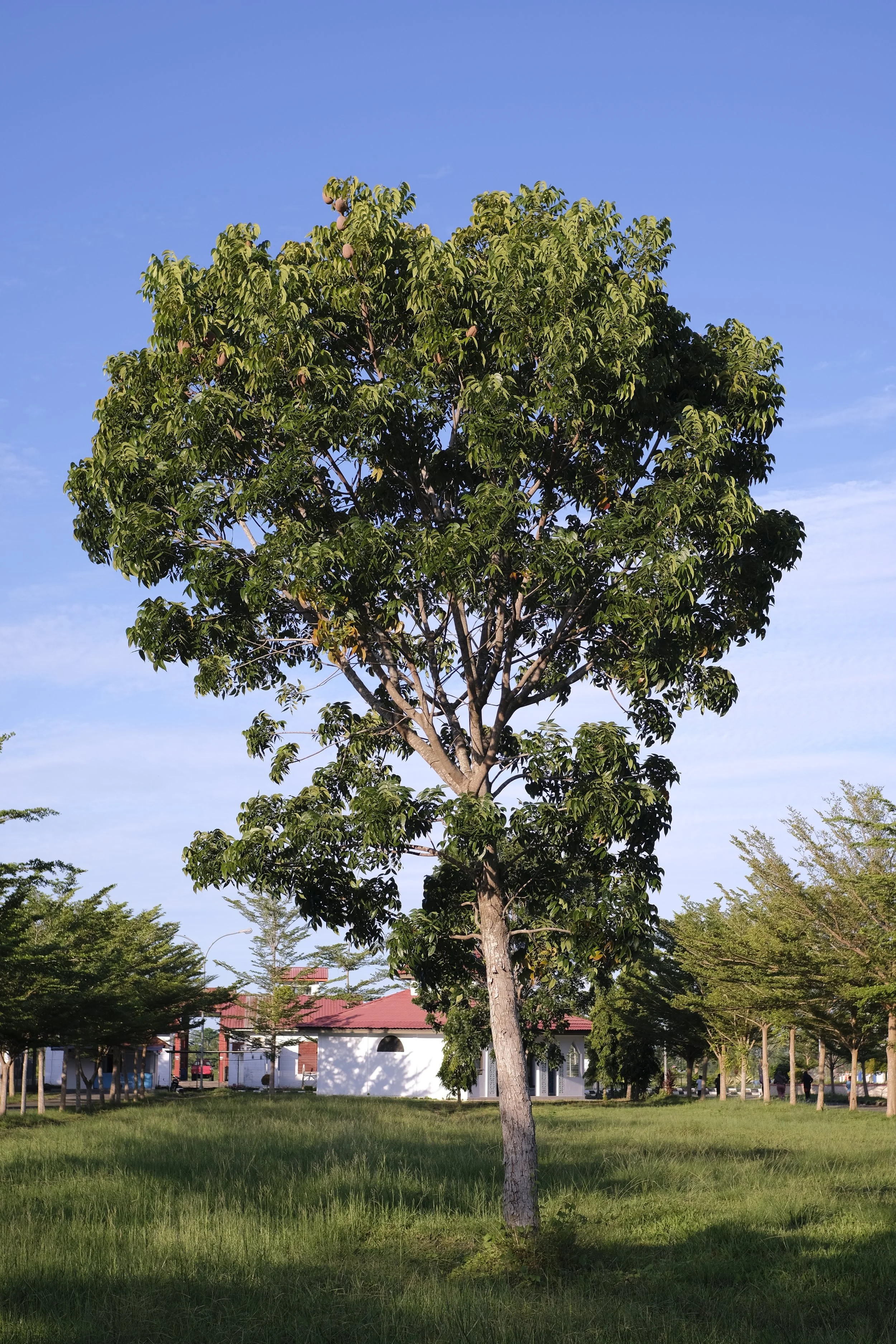
Mahogany - Swietenia mahagoni
The primary Caribbean species, West Indian or Cuban mahogany – called caoban is found in the Bahamas, Cuba, Hispaniola, and Jamaica.
Beyond ceremonial items, the Taino also created everyday objects like chairs (duho) and cradles from this fine hardwood. Mahogany was also used in building canoes, spears, and other tools.
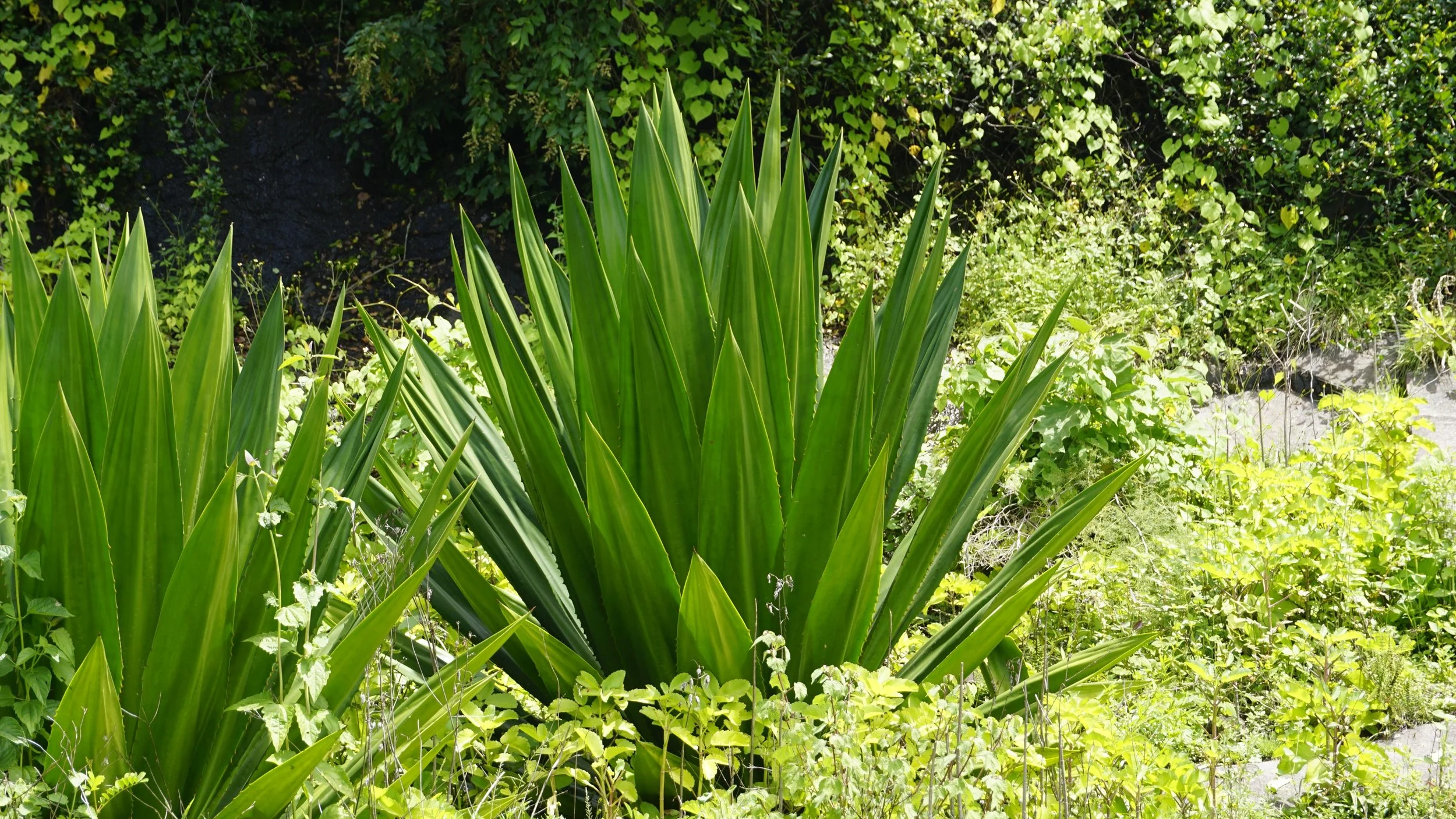
Agave - Furcraea foetida, and Furcraea cabuya
Like other Mesoamerican cultures, the Taíno used agave fibers to create strong ropes. In fact, the Spanish word for the agave plant, "maguey," was adopted from its name in the Taíno language, which highlights its use and recognition in their culture. Cabuya was the name given to the actual fibers.
Dyes
Indigo Indigofera suffruticosa
Commonly known as Anil indigo or West Indian indigo this plant gave them a distinctive blue dye used for dying fibers.
Annatto (Bija orellana)
From the seeds (biha) of the annatto tree they called bixa they created a vibrant, reddish-orange paste used for body paint.
Jagua (Genipa americana)
The fruit of the hagua or xagua tree provided a dark blue or black dye that was used to paint or tattoo their bodies, a practice often noted by early Spanish chroniclers.
Cocoloba uvifera
The sap from the leaves was used as red dye and for tanning leather and dyeing. The wood was used for furniture or firewood. Cuban Taino called the plant guaibara.
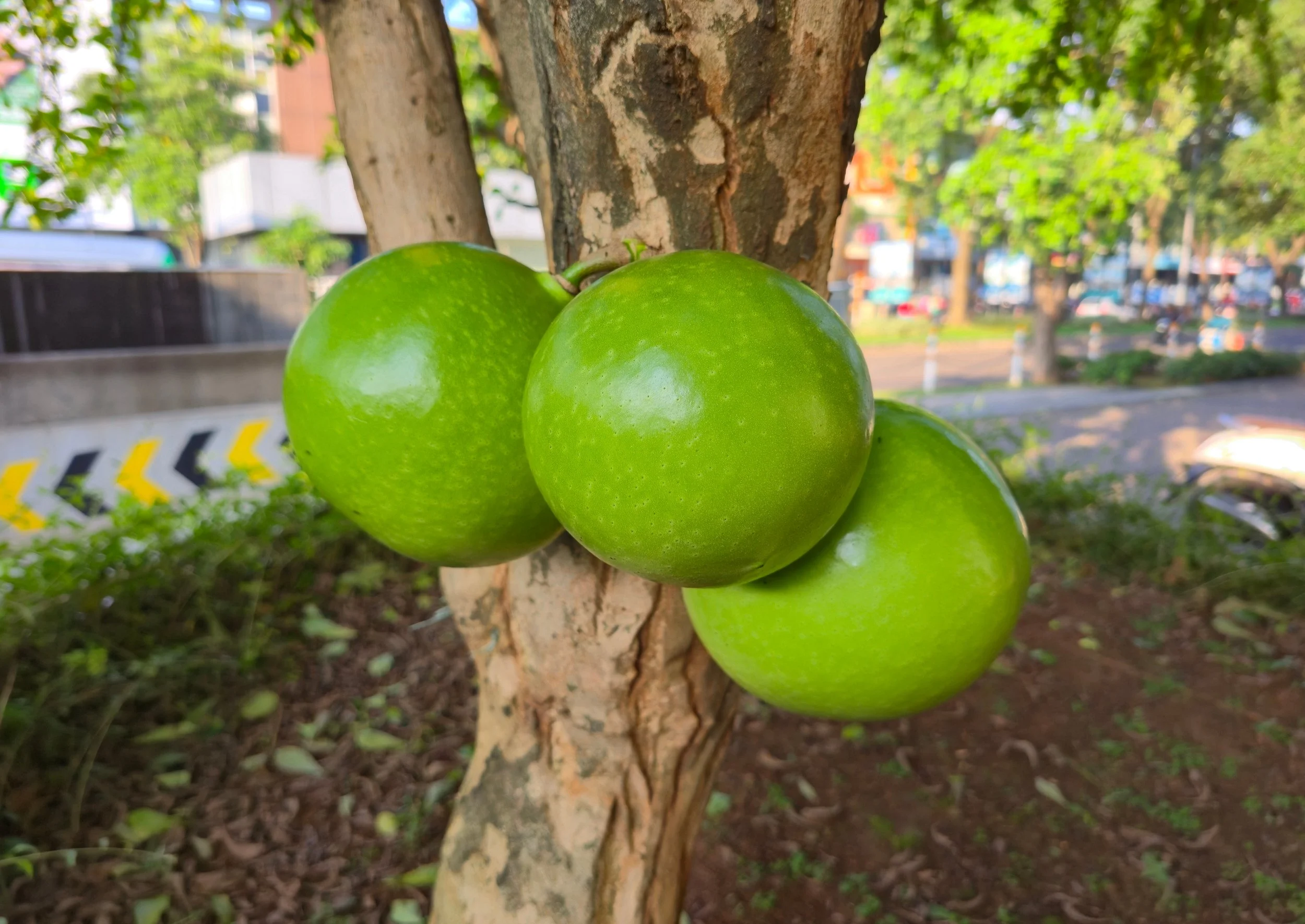
Calabash gourds - Crescentia cujete
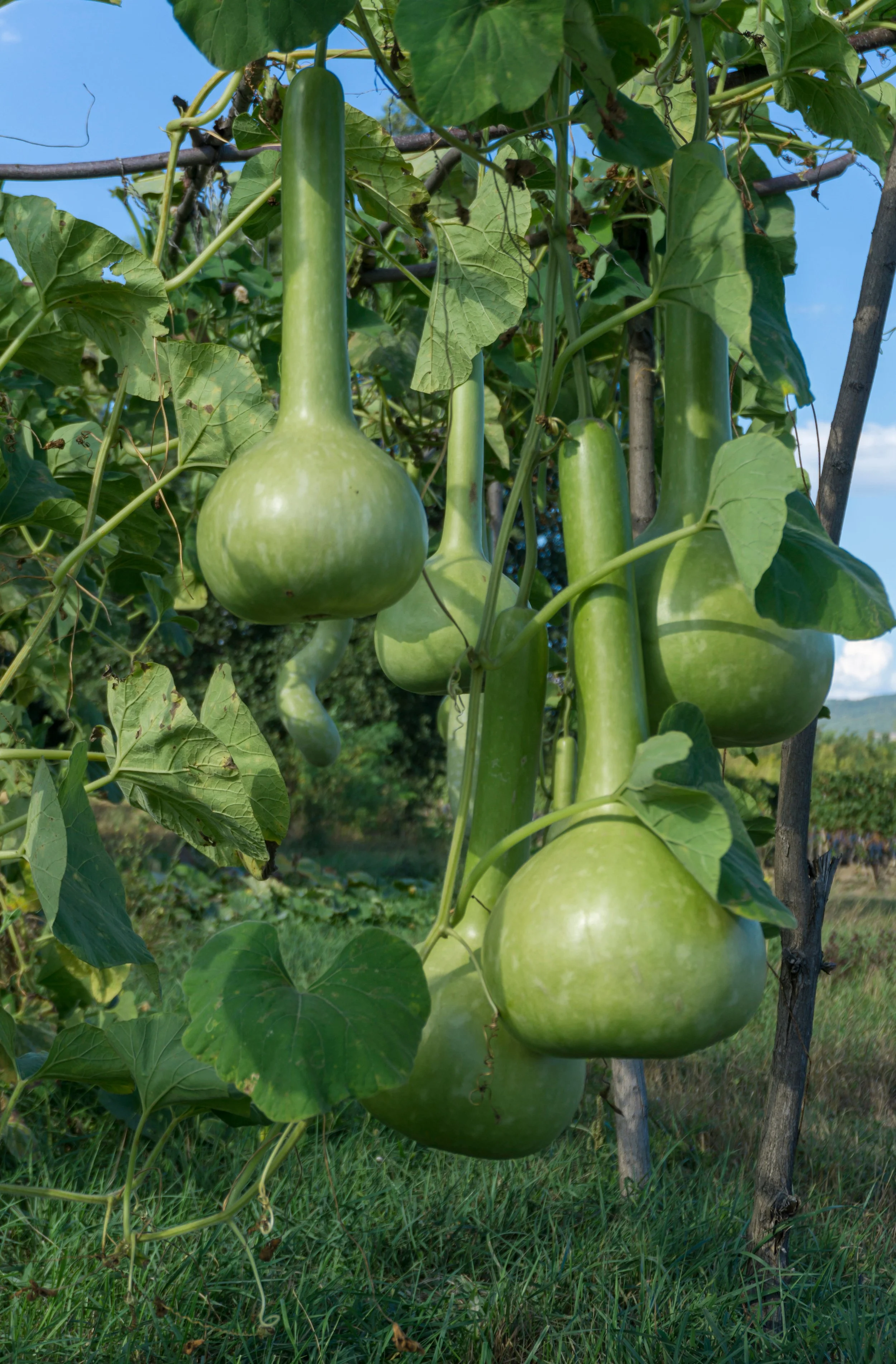
Bottle gourds - Lagenaria siceraria
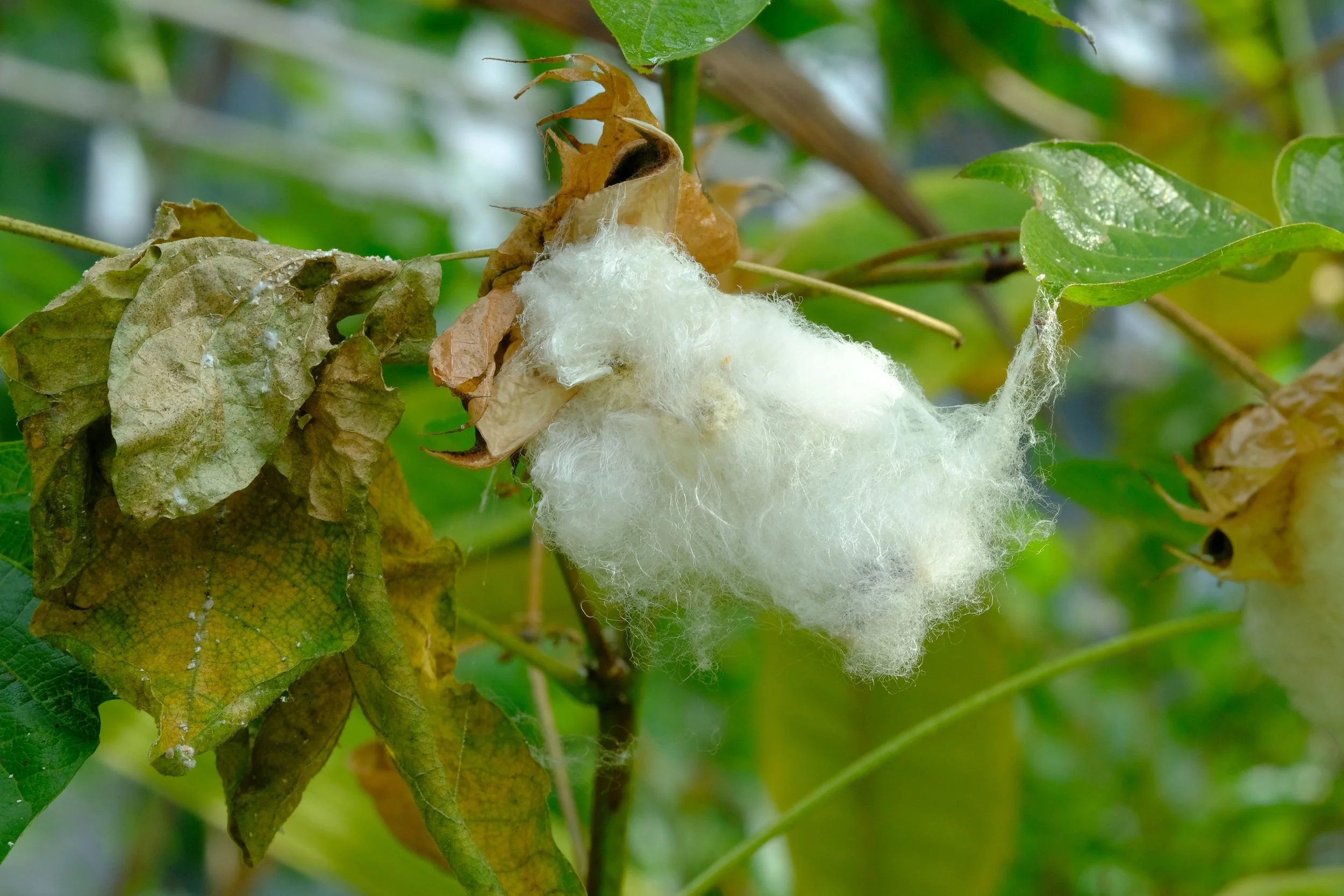
Cotton - Gossypium hirsutum
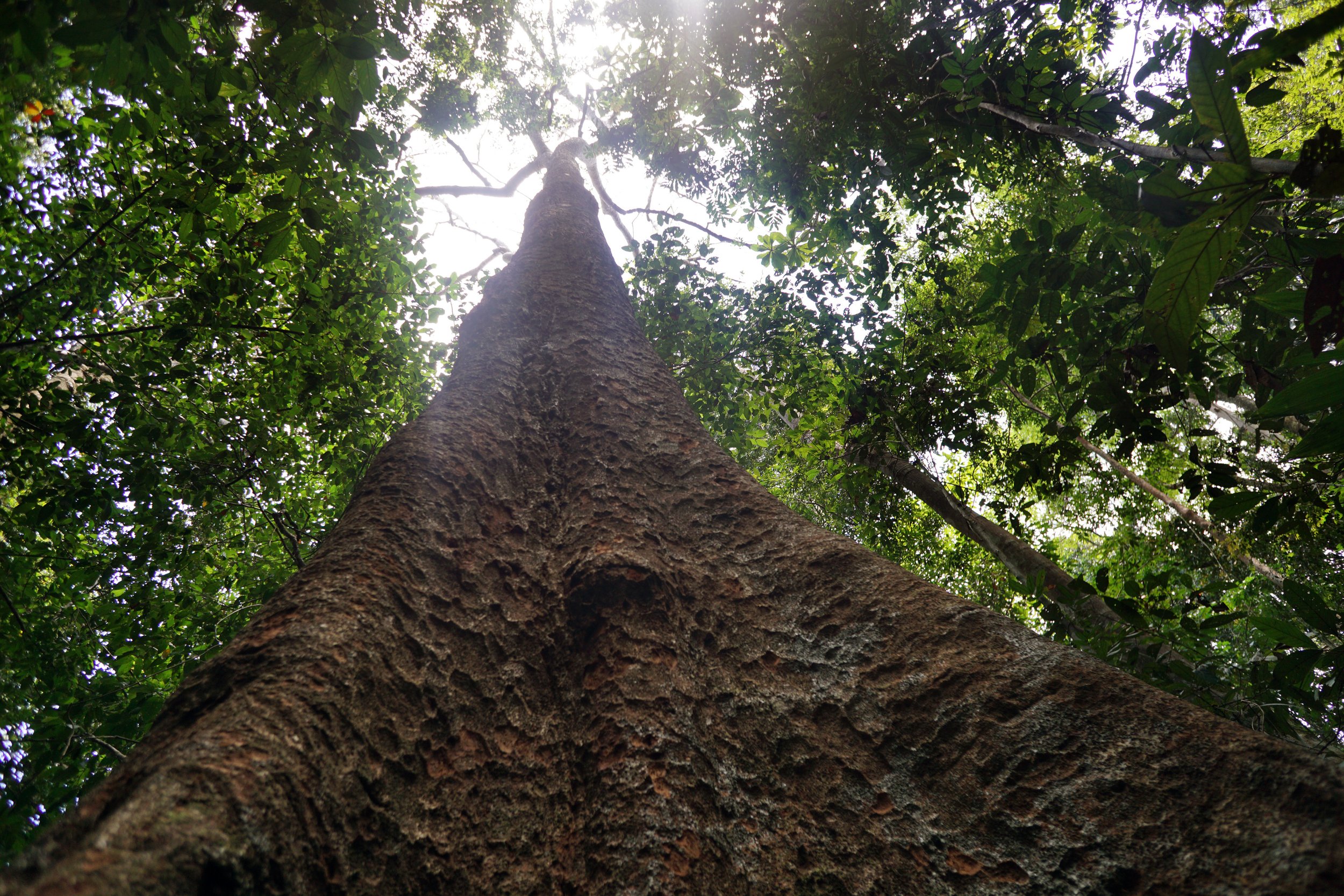
Jocuma - Mastichodendrum foetidissimum
Guama – Inga edulis
Guayacan – Lignum vitae
Mahogany - Swietenia mahagoni
Agave - Furcraea foetida, and Furcraea cabuya
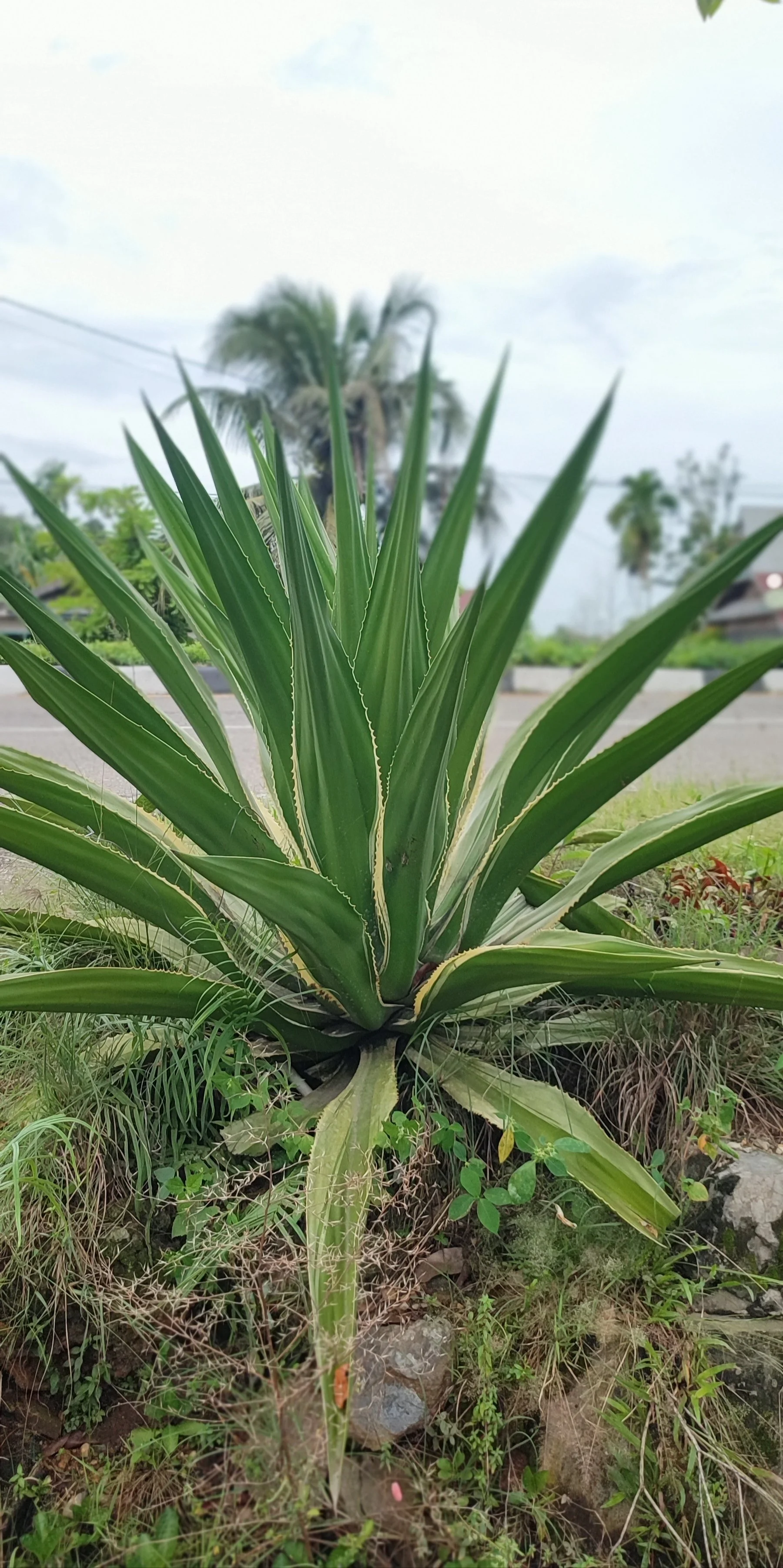
Agave - Furcraea cabuya
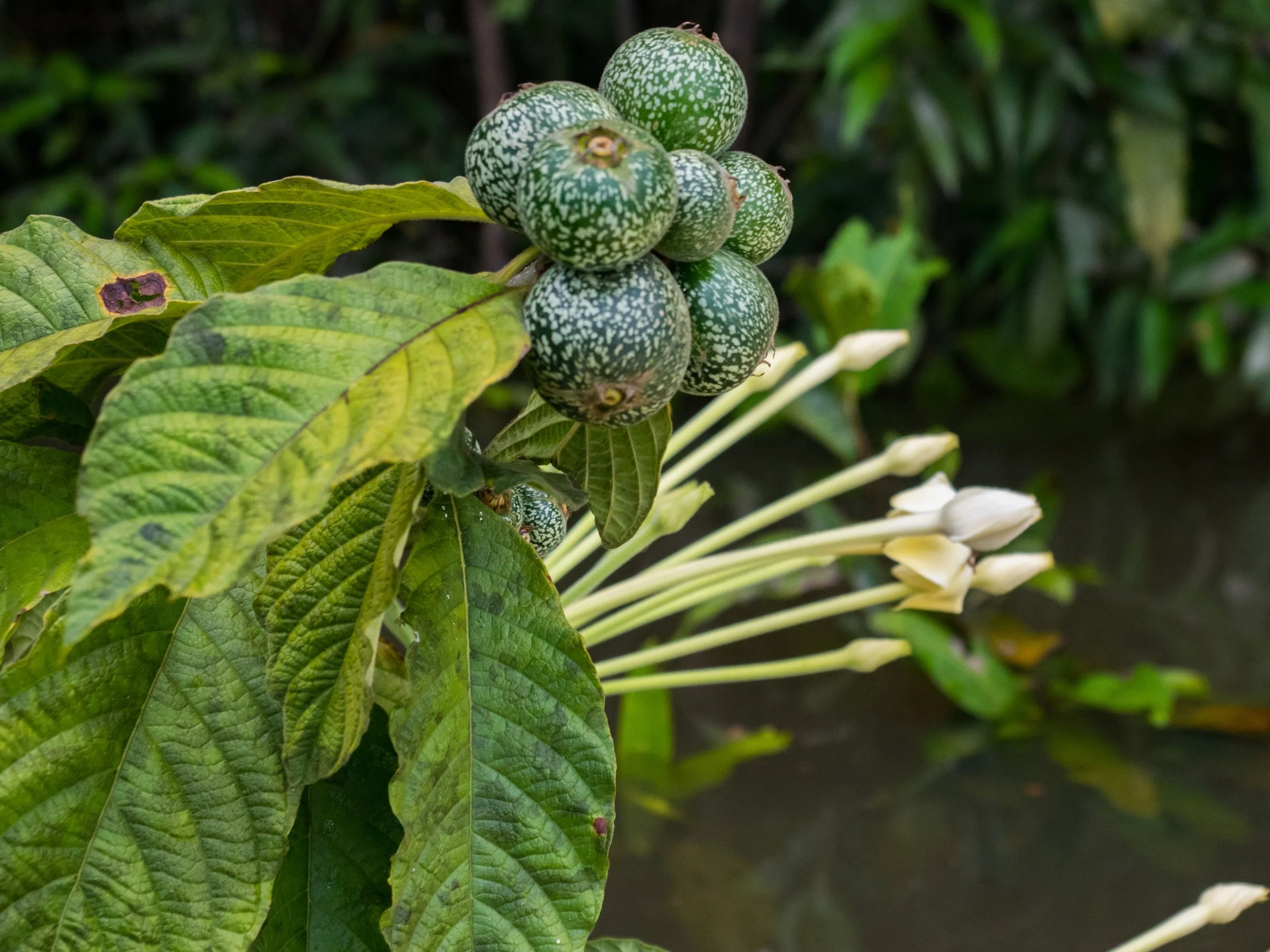
Jagua (Genipa americana)
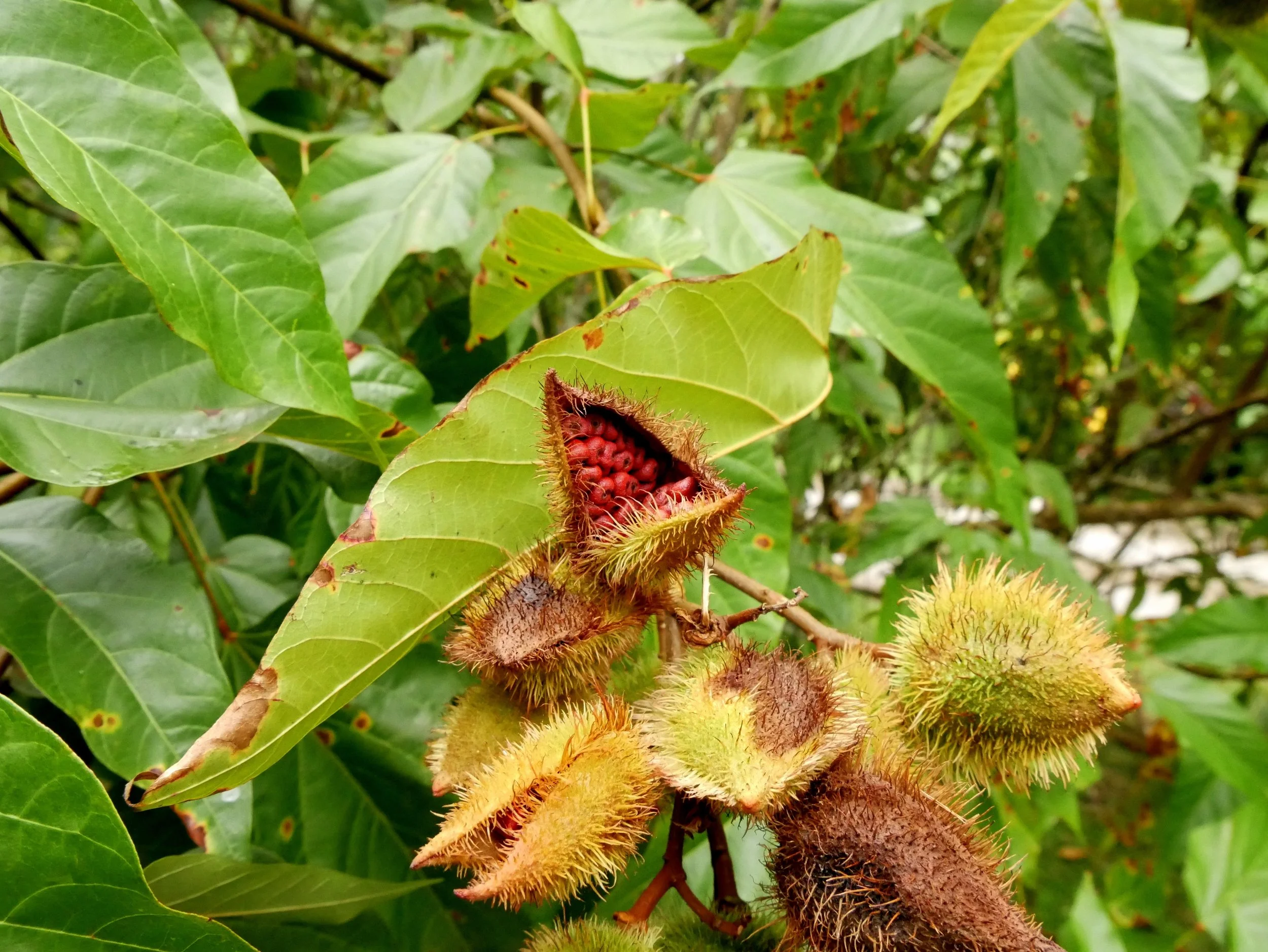
Annatto - Bija orellana
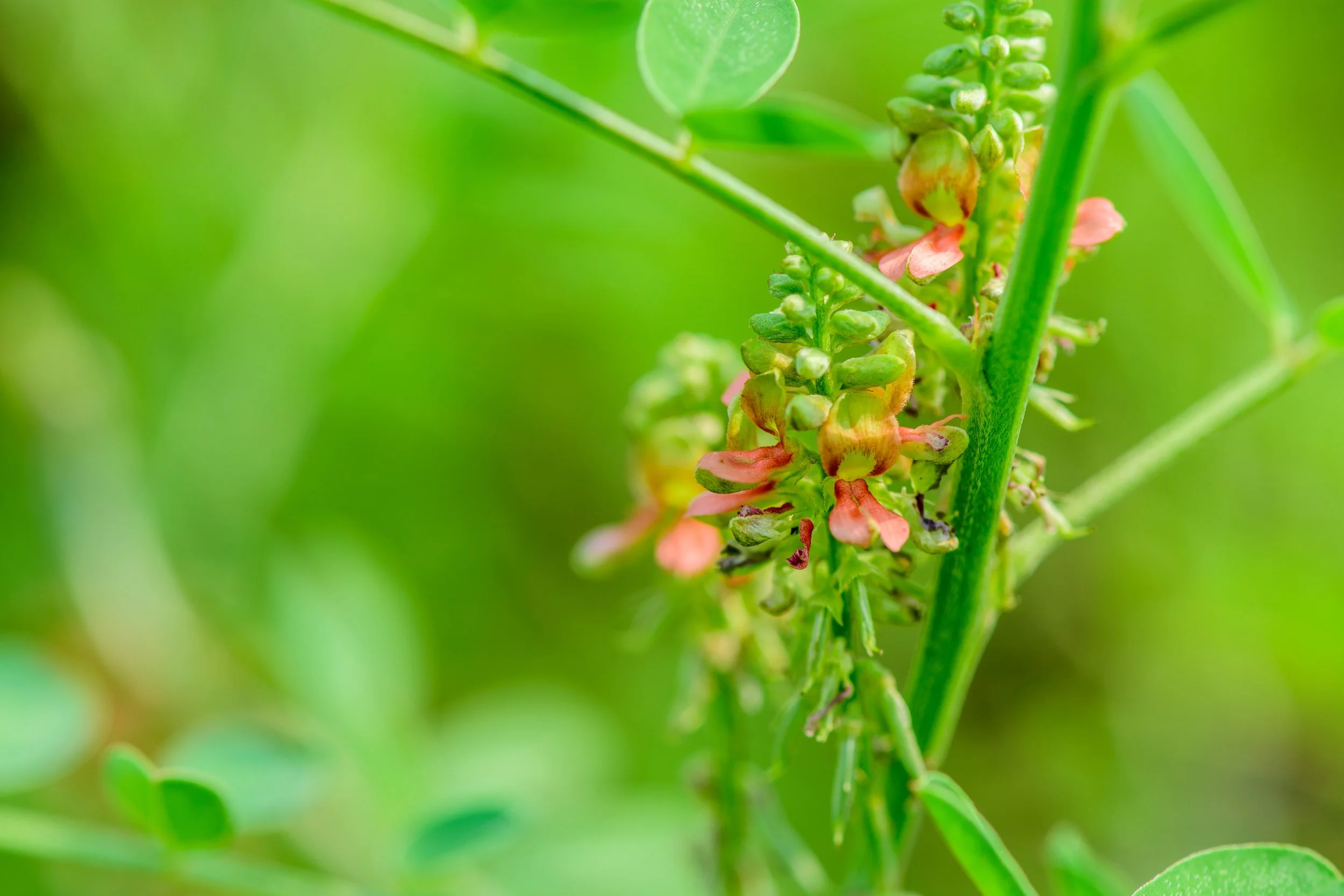
Indigo - Indigofera suffruticosa
I sincerely hope you liked the scope of this fascinating subject
and learned something of value to you.
Bo-guatukán – blessings upon you !
PLANT SPECIALISTS
GREENING NEW YORK FOR OVER 53 YEARS !
Article written by our Staff Horticulturist, Peter B Morris, BSc, MSc, MBA
All photographs used with permission @SHUTTERSTOCK