Plants used by the Indigenous people of the Caribbean Islands (Part 3)
Introduction
This is the continuation of the articles on indigenous plants of the Caribbean. Here we review use of indigenous plants by the Taíno and Carib for a variety of uses other than food.
Seasoning plants
Allspice – Pimenta dioica
This berry is native to the Greater Antilles and was used as a key flavoring for jerk seasonings. Indigenous allspice, also known as Pimenta dioica or Jamaica pepper, has Jamaica being its largest exporter today.
It is a staple in Caribbean cuisine, used in dishes like jerk seasoning and stews, and its flavor combines notes of cinnamon, cloves, and nutmeg. The Jamaican Taino called it boucan.
Peppers – Capsicum chinensis
Domestication in Central/South America dates back at least 7,000 to 8,000 BCE. They were important ingredients for seasoning and stews. The non-spicey sweet mild ones we call aji dulce or cachucha. The Taino called them axi.
The spicy ones are the precursors to Scotch Bonnet peppers. Many different varieties were cultivated on the different islands as a fundamental seasoning.
The Carib people, were known for using a spicy sauce called taumalin to season their food. The sauce is made from green lobster liver, chile pepper, and lime juice.
The Taíno used a native pepper variety called "ají caballero" as an irritant to ward off Spanish invaders – the original pepper spray!
Culantro – Eryngium foetidum
A pungent, leafy herb used for seasoning, especially in stews. Indigenous to the Americas, culantro is a tropical herb with a stronger, more robust flavor than cilantro, and it is a staple in the Caribbean and other regions.
Known locally by the Taino name in Puerto Rico as recao, and chadon beni (Trinidad and Tobago), it is used to flavor stews, rice, and beans, and is an essential ingredient in dishes like sofrito.
Beverages
The Caribs were known to brew ouicou, a fermented beer made from cassava. Herbal teas made from indigenous leaves and barks were, and still are, popular for their medicinal properties.
Dishes and preparations
Jerk
This style of cooking meat, originated by the Taíno of Jamaica, uses a dry rub of native allspice and scotch bonnet peppers. The meat is smoked over a fire pit. From the Taino name of the spice boucan we get the name boucanier or buccaneer – the smoking of meats using allspice wood.
Pepper pot
This spicy stew, of Taíno origin, is a precursor to many modern stews. It is based on meat, vegetables, and chili peppers simmered with boiled-down cassava juice.
Ajiaco
A soup believed to have originated in pre-colonial Cuba, combining various meats, tubers, and peppers.
Bean Cooking methods
Beans were eaten fresh in their pods or dried for storage. Dried beans were cooked into stews, ground into a meal, or made into patties.
Medicinal and Spiritual plants
Arrowroot - Maranta arundinacea
Roots were used to treat wounds, and as a gentle remedy for digestive issues.
Tobacco -Nicotiana tabacum
Though not a food, tobacco was a vital crop with significant cultural and ritual importance for the Taíno. It was cultivated and ceremonially used. The rolled up leaves for smoking and snuff were tabako while the leaves themselves were called kohiba.
A shaman, or behique, would use finely crushed tobacco leaves, sometimes mixed with other potent herbs, in rituals to communicate with the spirit world. It was inhaled using a hollow tube or smoked in cigars.
Cohoba - Piptadenia peregrina - is now known as Anadenanthera peregrina
This powerful hallucinogen, made from the seeds of the tree, was a central element of Taíno religious rituals. Used for divination and communication with the cemí spirits. It was inhaled using a polished bone or wooden tube.
The ground seeds were called cojoba and the ceremony cojiba.
Anamú - Petiveria alliacea
Used in rituals and natural therapies for it’s believed healing power. The word anamu is the Taino name for the plant- also known as guinea hen weed or garlic weed. It is known for its distinct, pungent, garlic-like smell.
Guava - Psidium guajava
The leaves were used for medicinal properties.
Ceiba tree - Ceiba pentandra
Held a sacred status, as it was believed to connect the earth with the spiritual world. Ceyba (meaning boat) was used to create dugout canoes.
Annatto -Bija orellana
From the seeds of the annatto tree they created a vibrant, reddish-orange paste. The Taíno, particularly those in the Dominican Republic (known as Quisqueya), called this dye bija – used to help repel mosquitoes, in addition to its ceremonial use.
Indigo Indigofera suffruticosa
Commonly known as Anil indigo or West Indian indigo this plant gave them a distinctive blue dye. This dye was used for body painting. The various designs created held symbolic and spiritual meaning, believed to ward off evil spirits or invoke good luck. They called it anil.
Pineapple
It was used for its medicinal properties, such as the anti-inflammatory enzyme bromelain. It could also be fermented to make alcoholic beverages. Anna is what they called the plant, iaiama or yayama was the fruit itself – it means excellent fruit. The Tupi people called them nana.
Its exterior fibers were used to make thread, bowstrings, and cloth.
Soursop – Annona muricata
In the West Indies, a decoction of the leaves was used for various ailments, including coughs, diarrhea, and indigestion. Also used as a natural sedative for insomnia and alleviating fever and pain.
Sea grape - Cocoloba uvifera
Traditionally, the bark has been used for throat ailments and intestinal issues, and tea made from the leaves was used for various ailments. The bark, roots, and juice were also incorporated into various remedies, for hemorrhages, and venereal diseases.
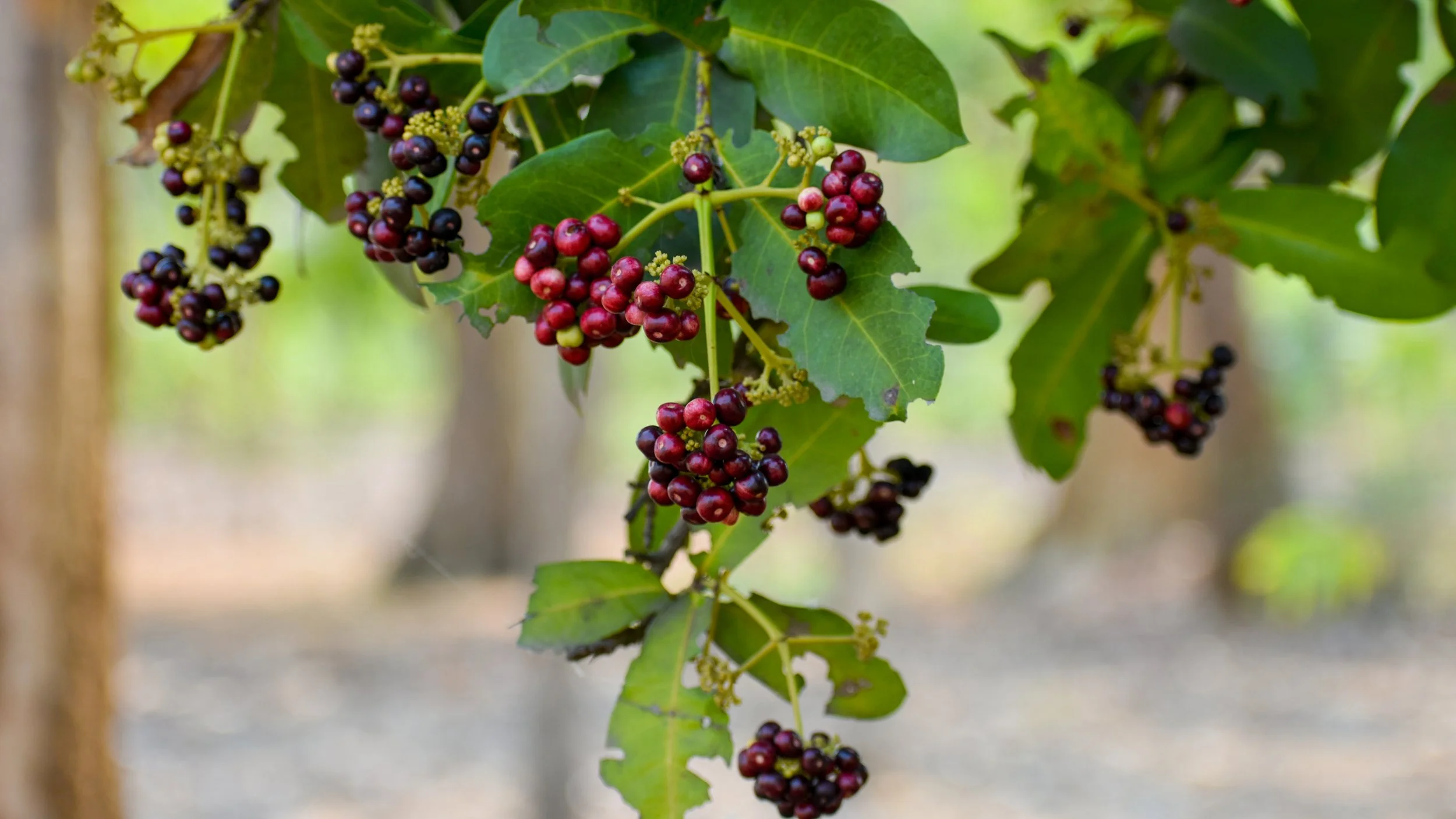
Allspice – Pimenta dioica
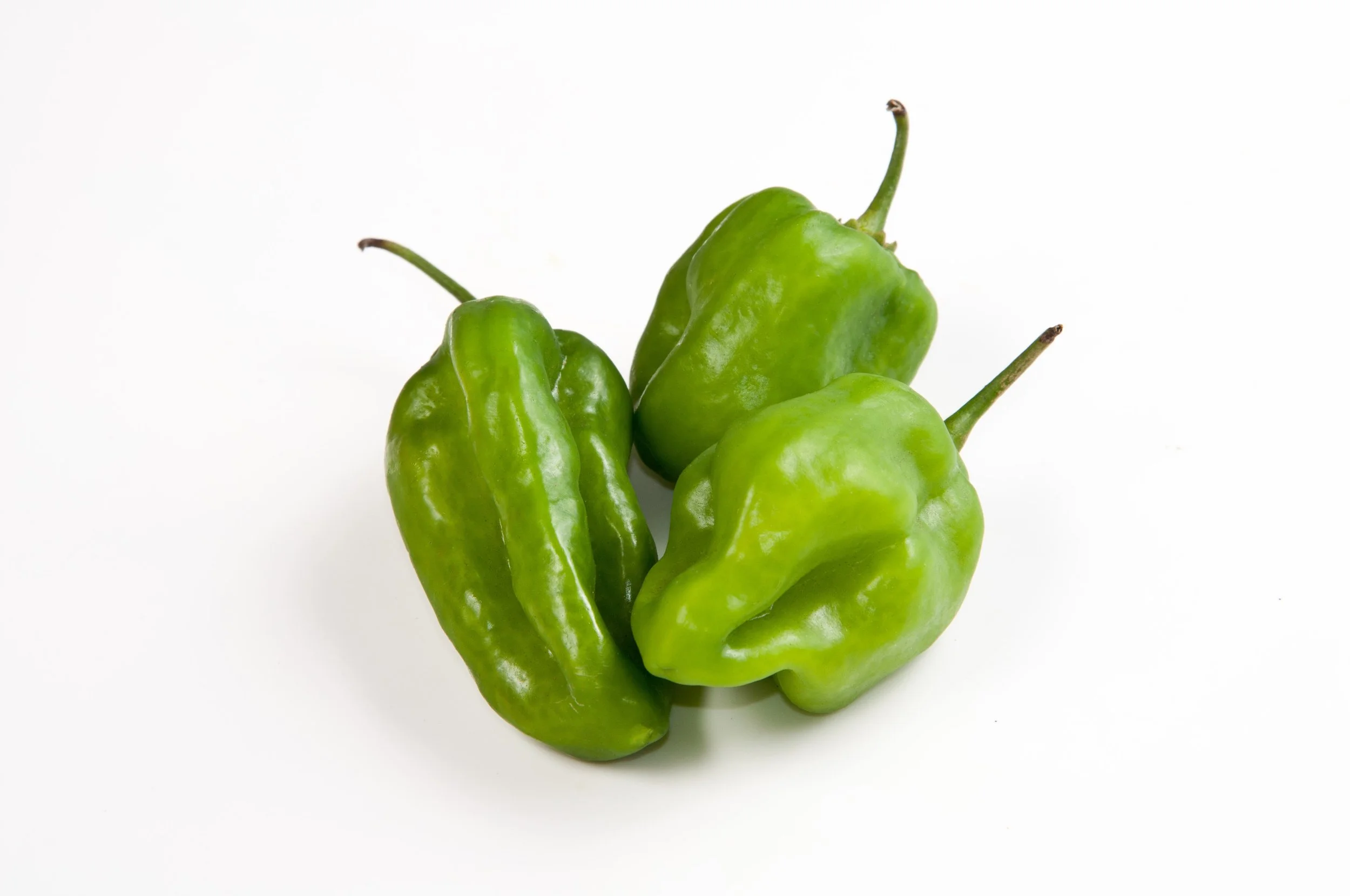
Peppers – Capsicum chinensis - Aji dulce
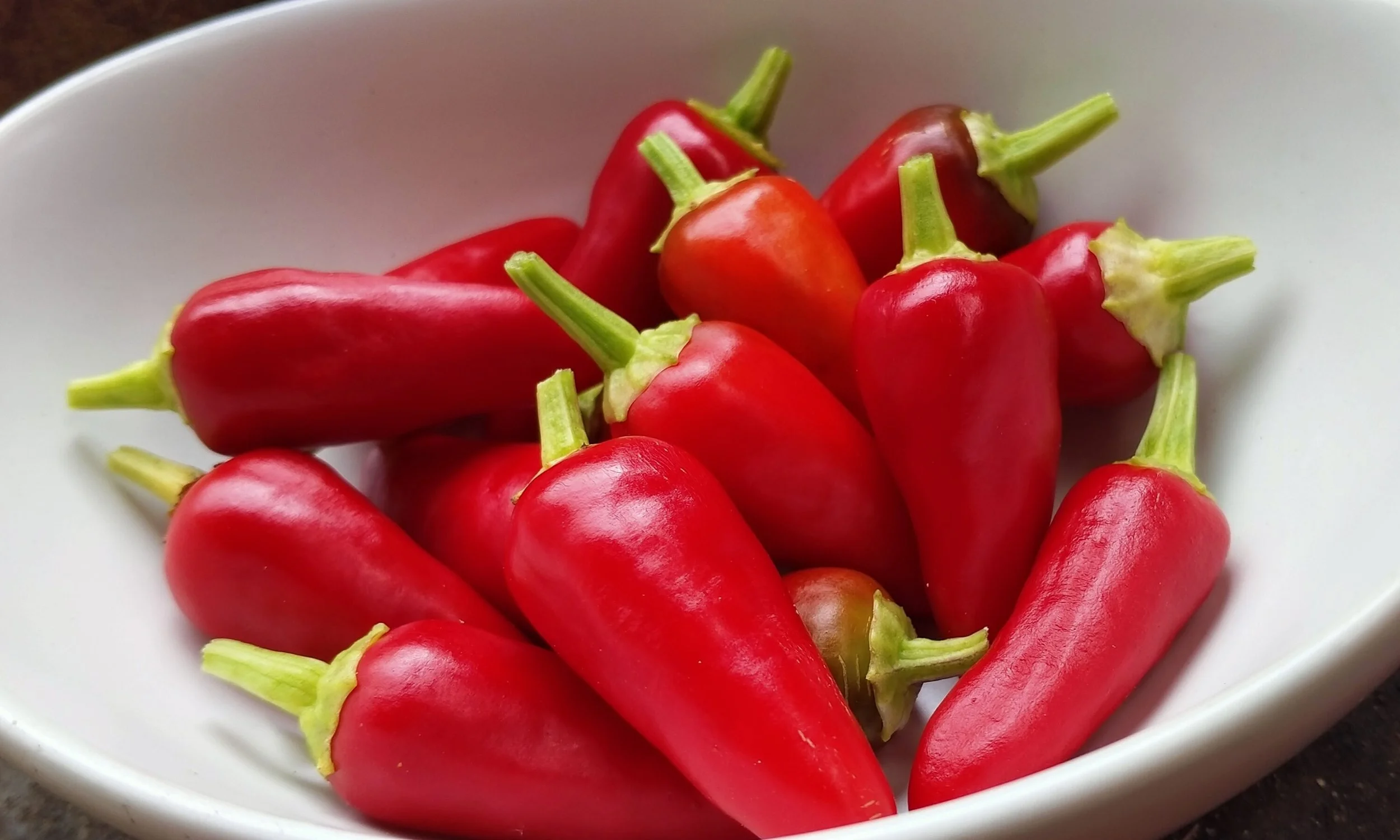
Peppers – C. chinensis - aji caballero
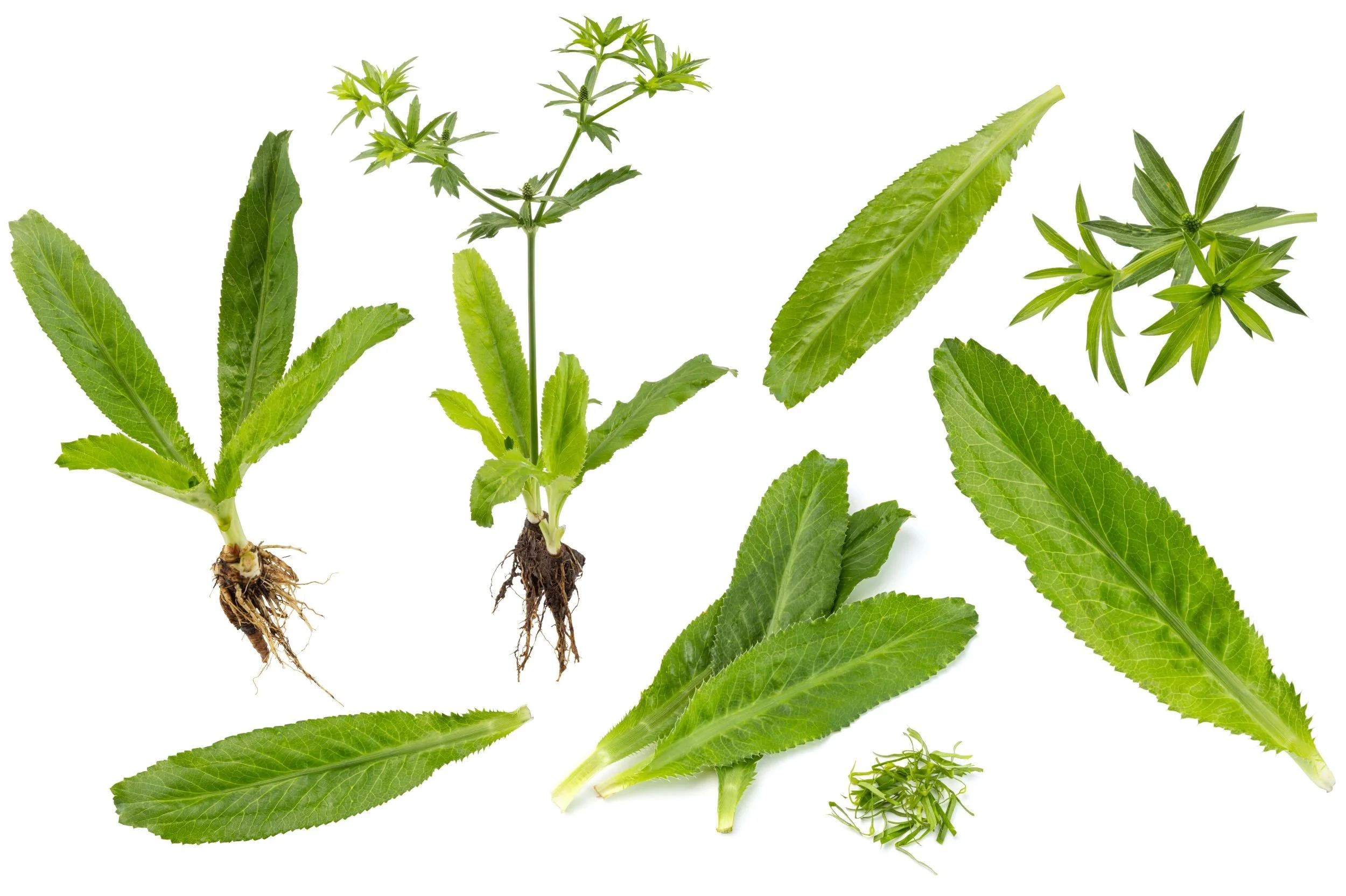
Culantro – Eryngium foetidum
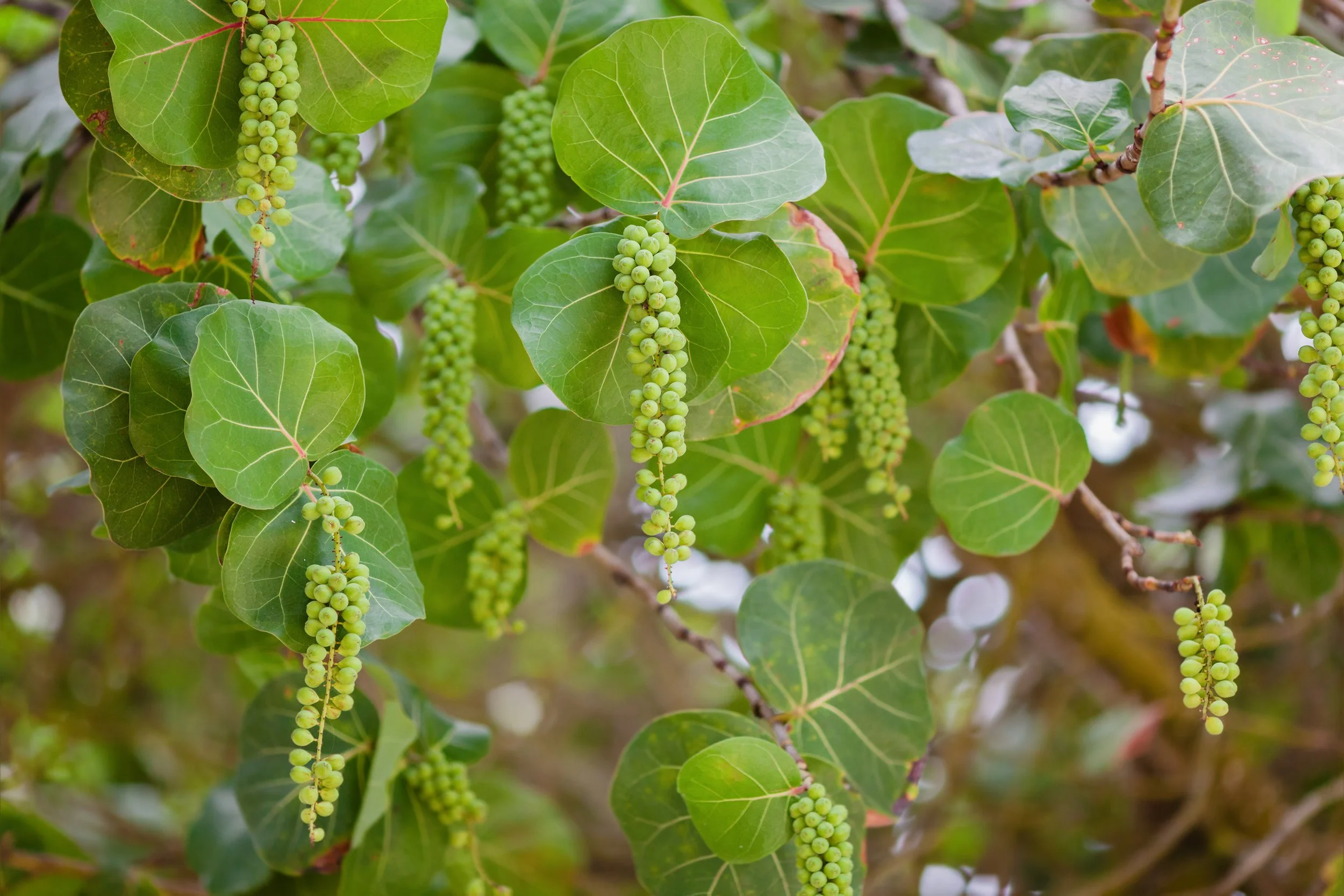
Seaside grapes – Cocoloba uvifera
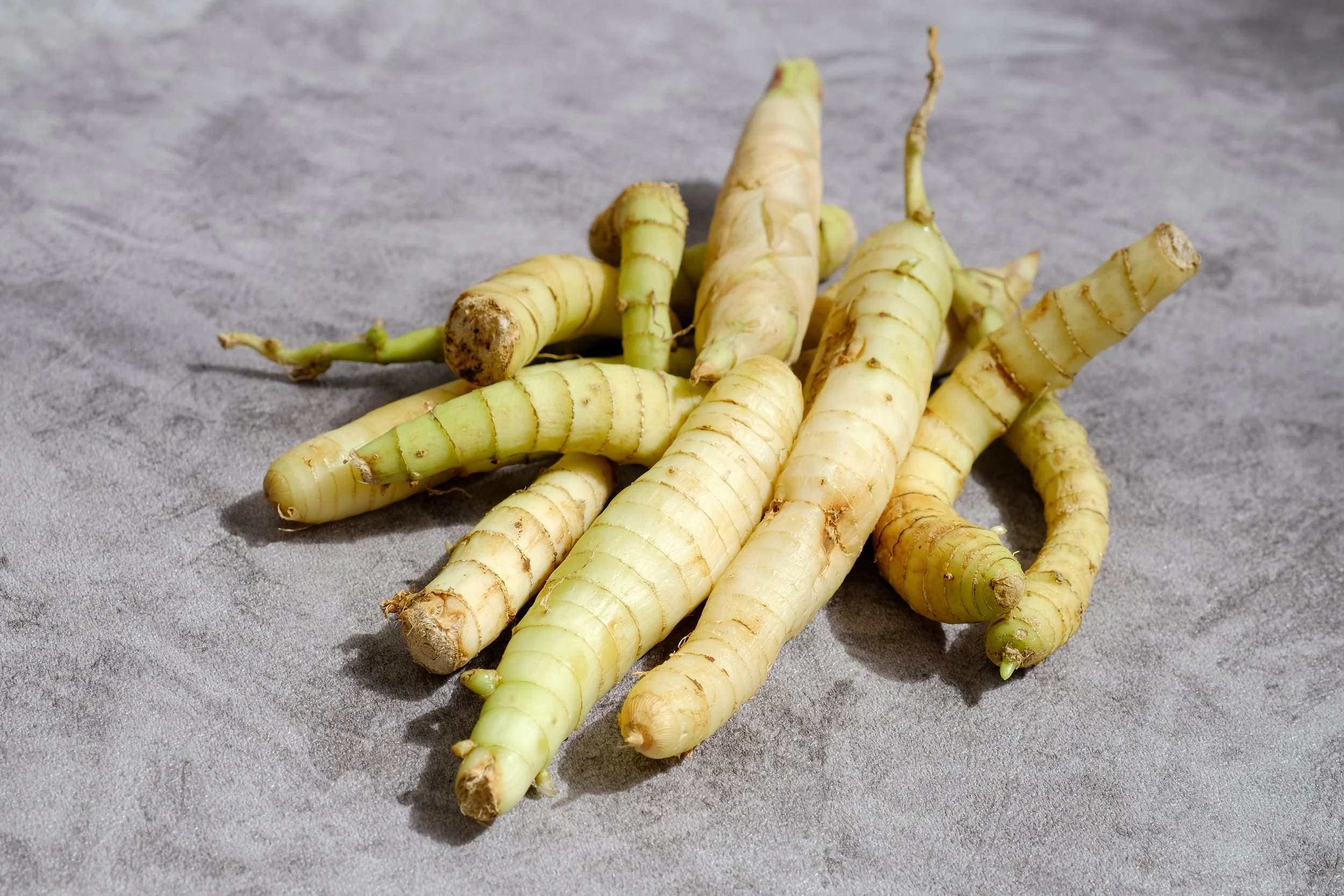
Arrowroot - Maranta arundinacea
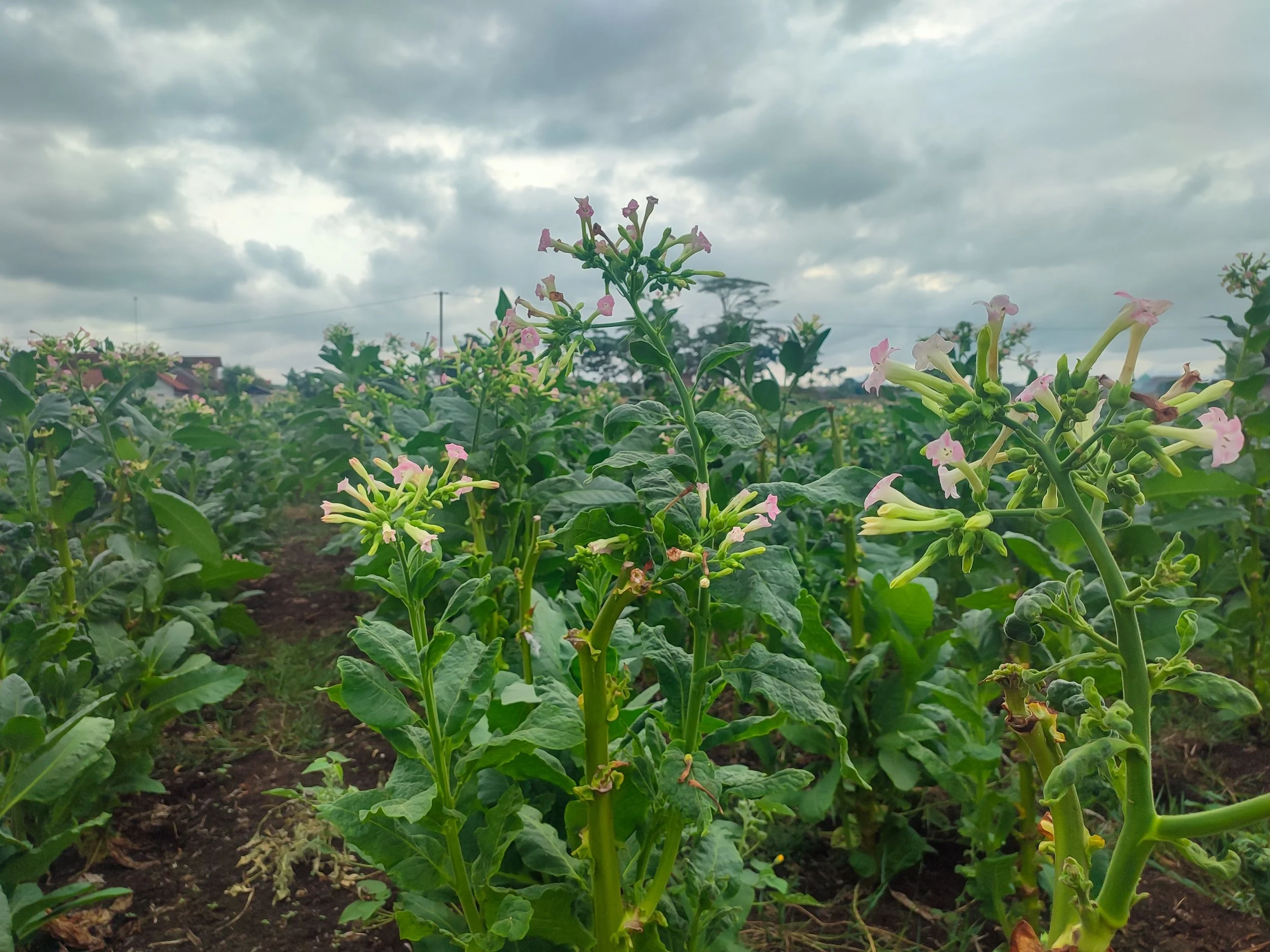
Tobacco - Nicotiana tabacum
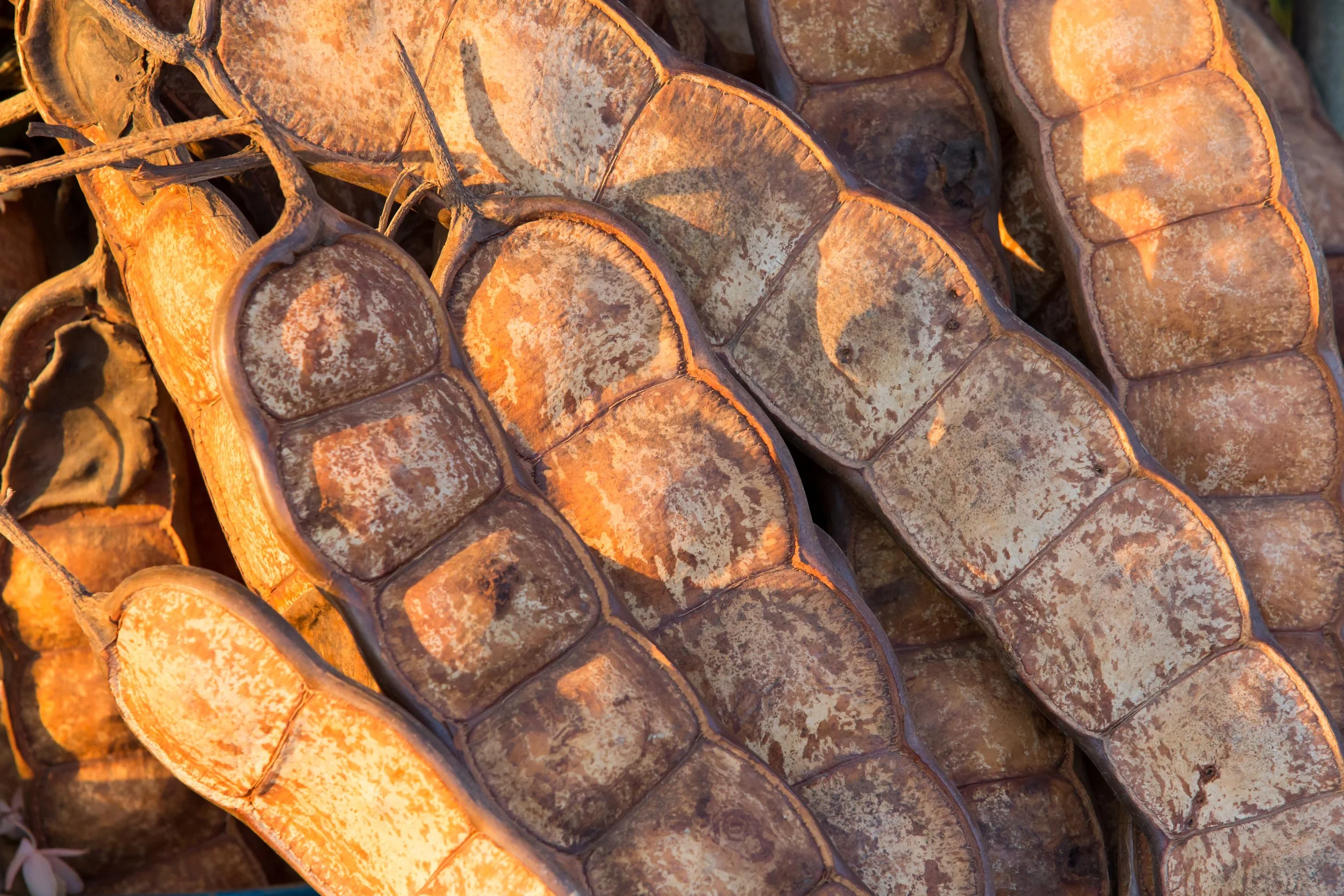
Cohoba - Piptadenia peregrina
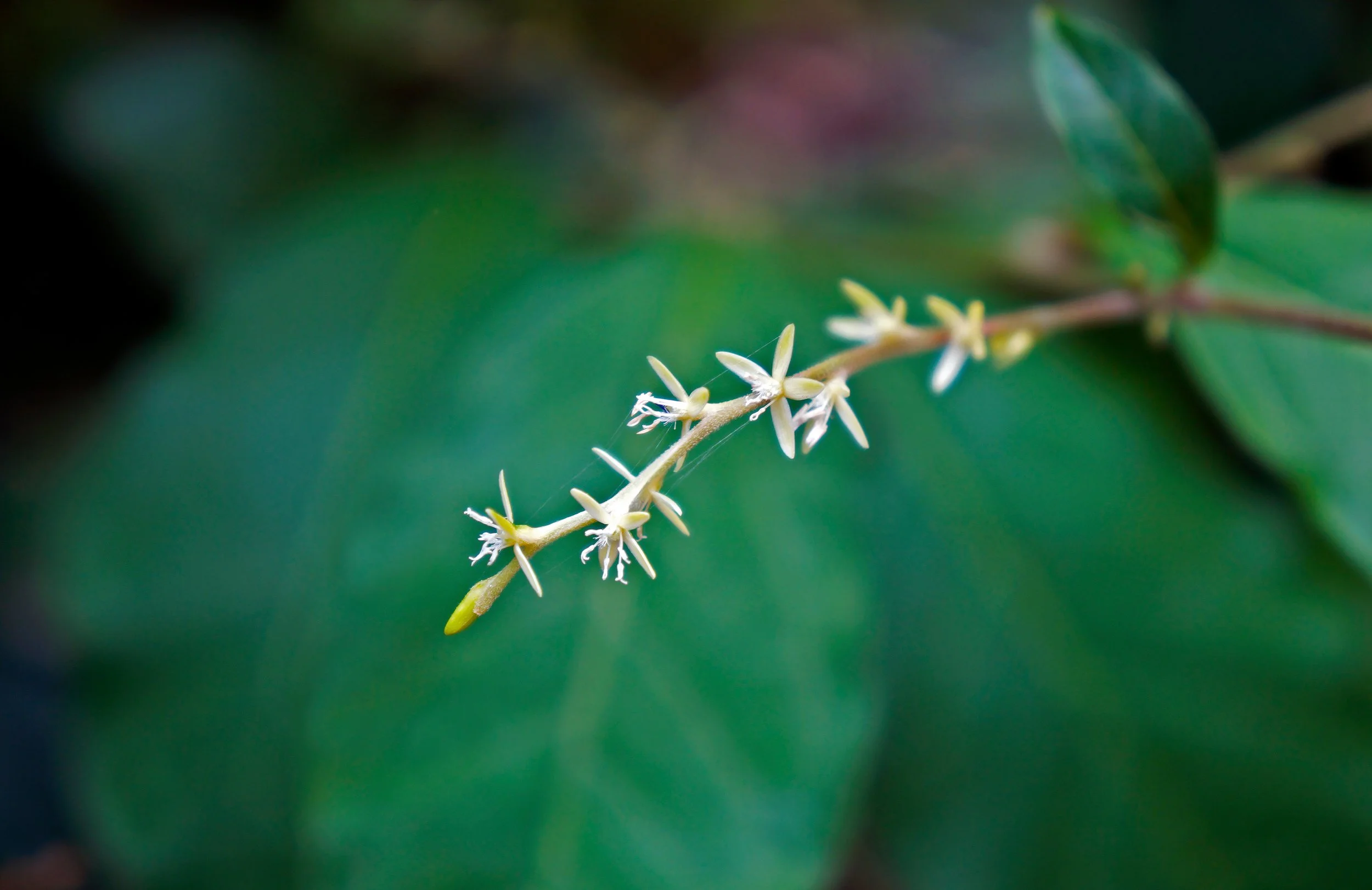
Anamú - Petiveria alliacea
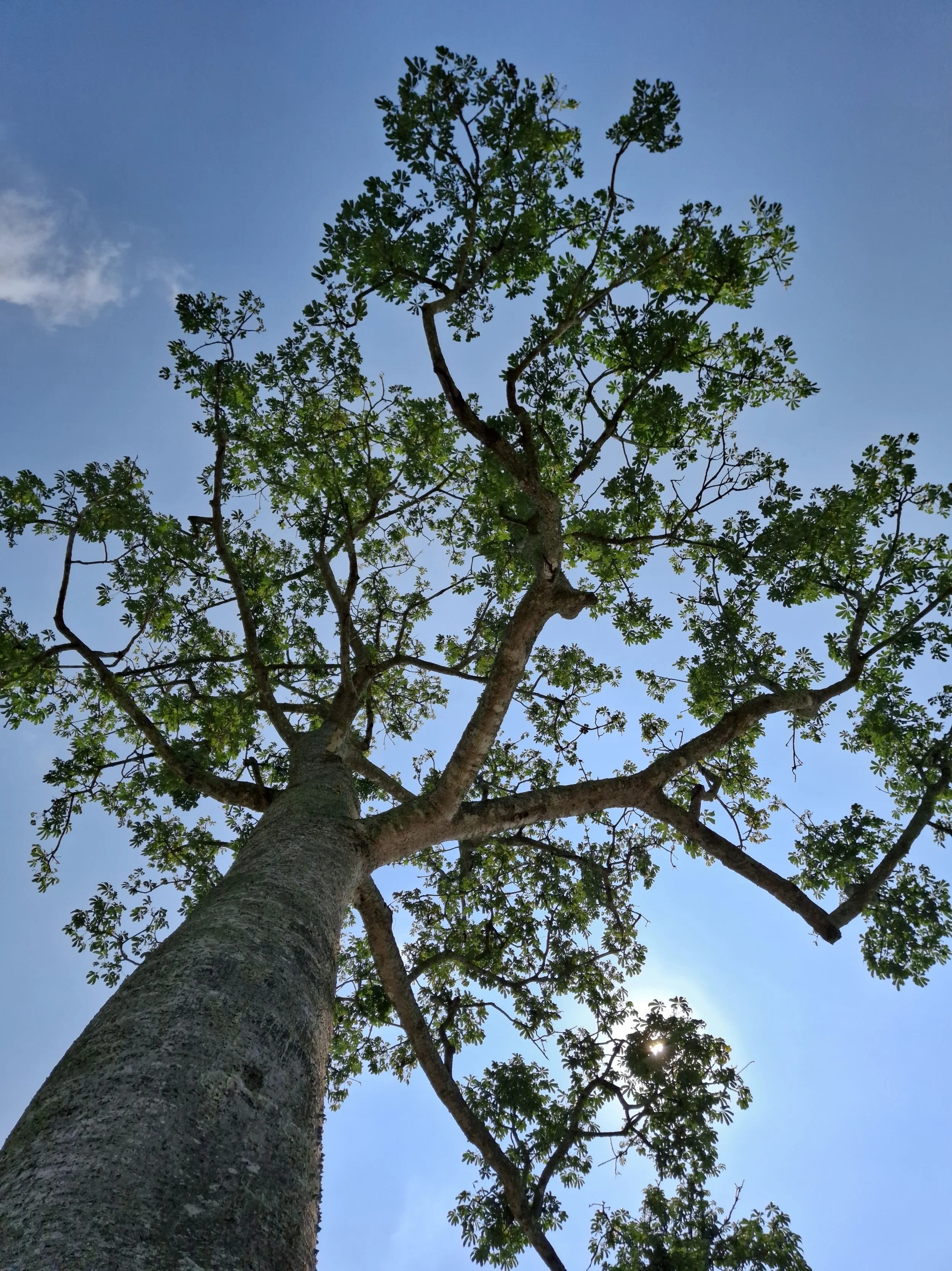
Ceiba tree - Ceiba pentandra
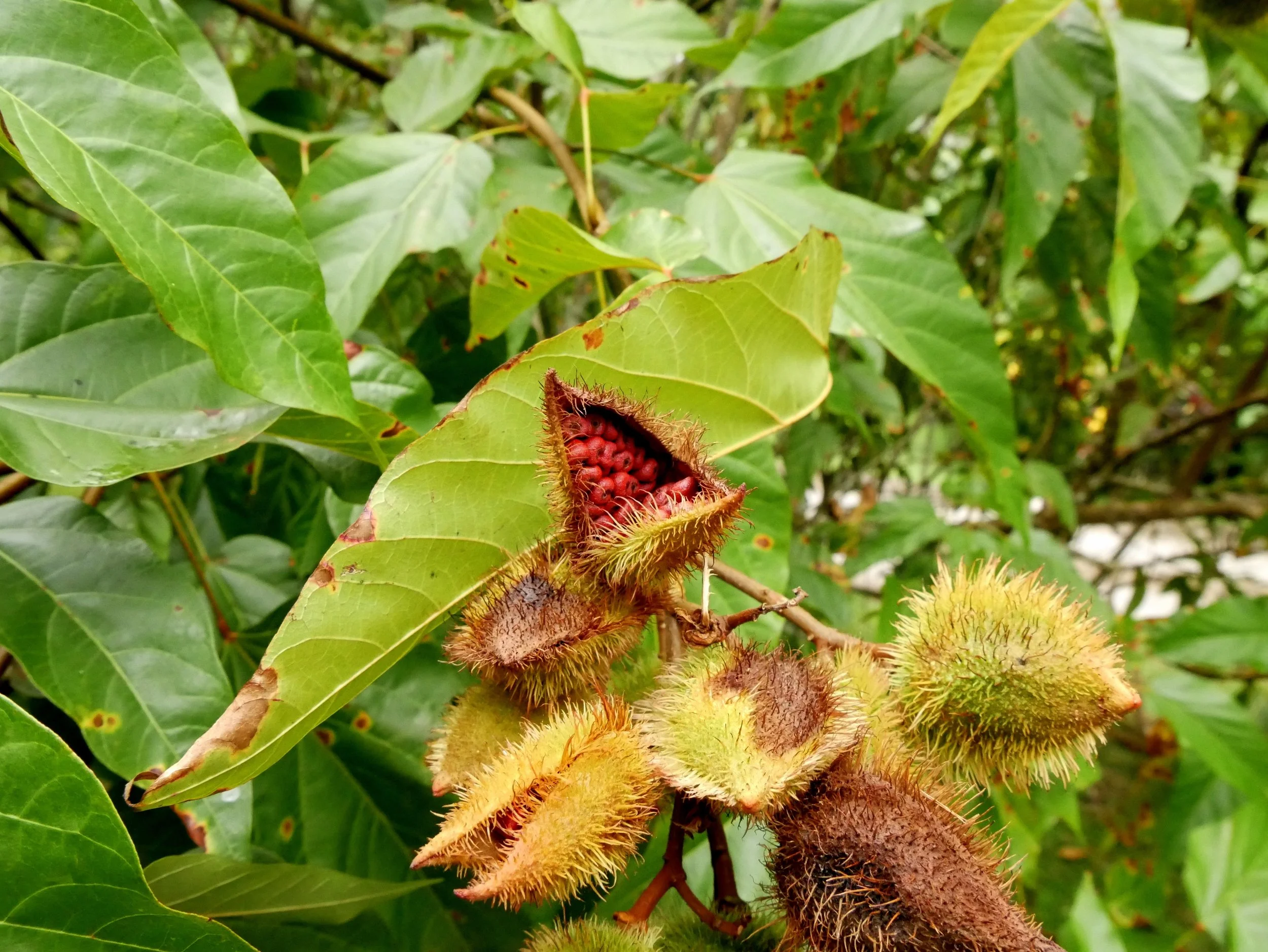
Annatto - Bija orellana
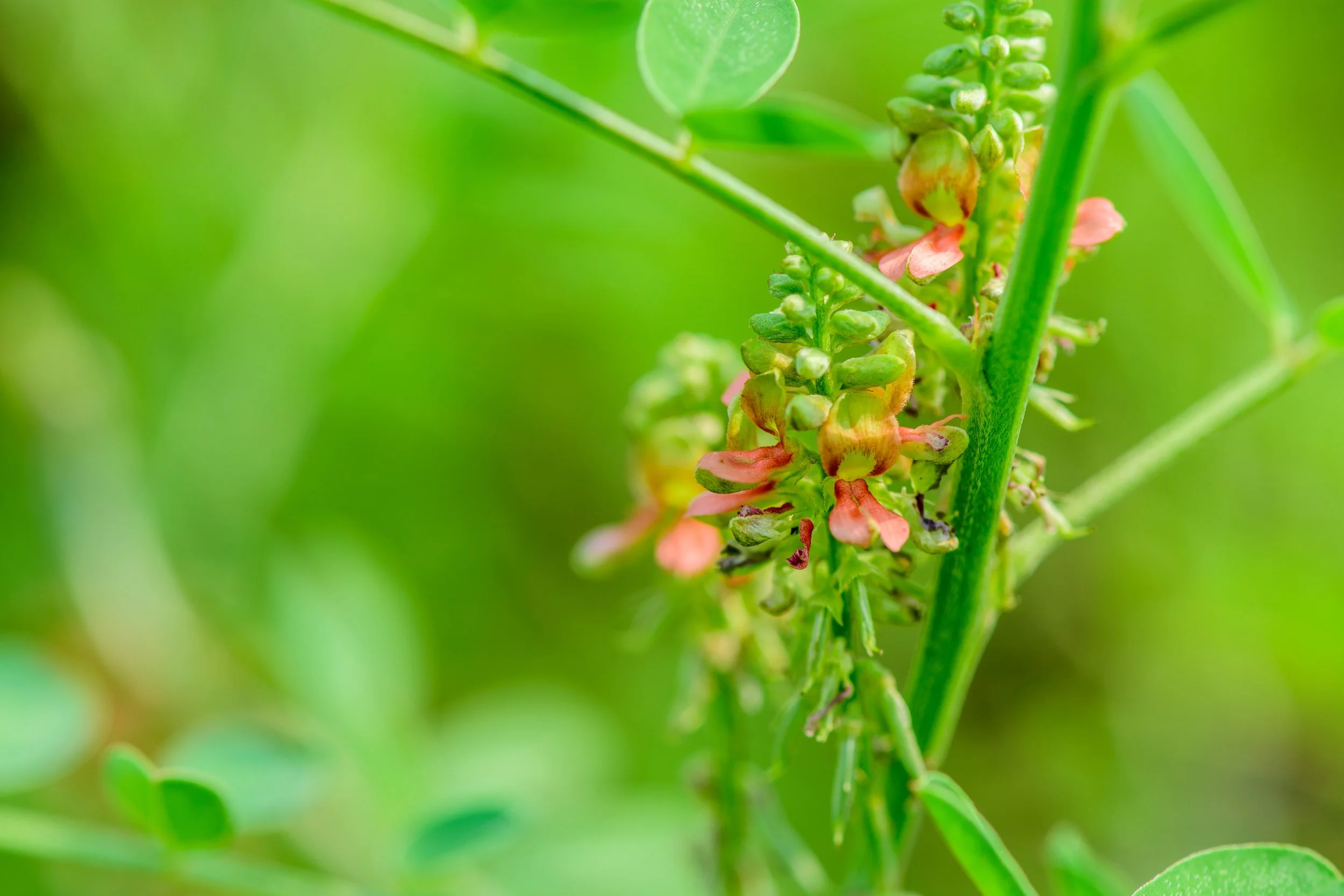
Indigo - Indigofera suffruticosa
To be continued - next week Part 4 !!
Amazing !
PLANT SPECIALISTS
GREENING NEW YORK FOR OVER 53 YEARS !
Article written by our Staff Horticulturist, Peter B Morris, BSc, MSc, MBA
All photographs used with permission @SHUTTERSTOCK