
REFRESHING THE SOIL OF POTTED PLANTS
Introduction
Is this actually a thing to do ? Actually - YES!
Over time many organic components in the soil your plant is living in will decompose, deteriorate, wash away or otherwise be utilized by the plant. All this leads to depletion of the soil texture and structure as well as the loss of vital organic compounds and minerals. Those plants that are watered under an automatic irrigation system tend to have an accelerated rate of loss of all these items.
Water soluble substances like Malic and Fulvic acid, or minerals like Sulfur and Iron all wash away over time down the drain ! Fertilizing will only do so much when the soil has become hard, compacted and void of organic compounds. These are very important components naturally available only in fresh soil. See our previous blog on Malic Acid
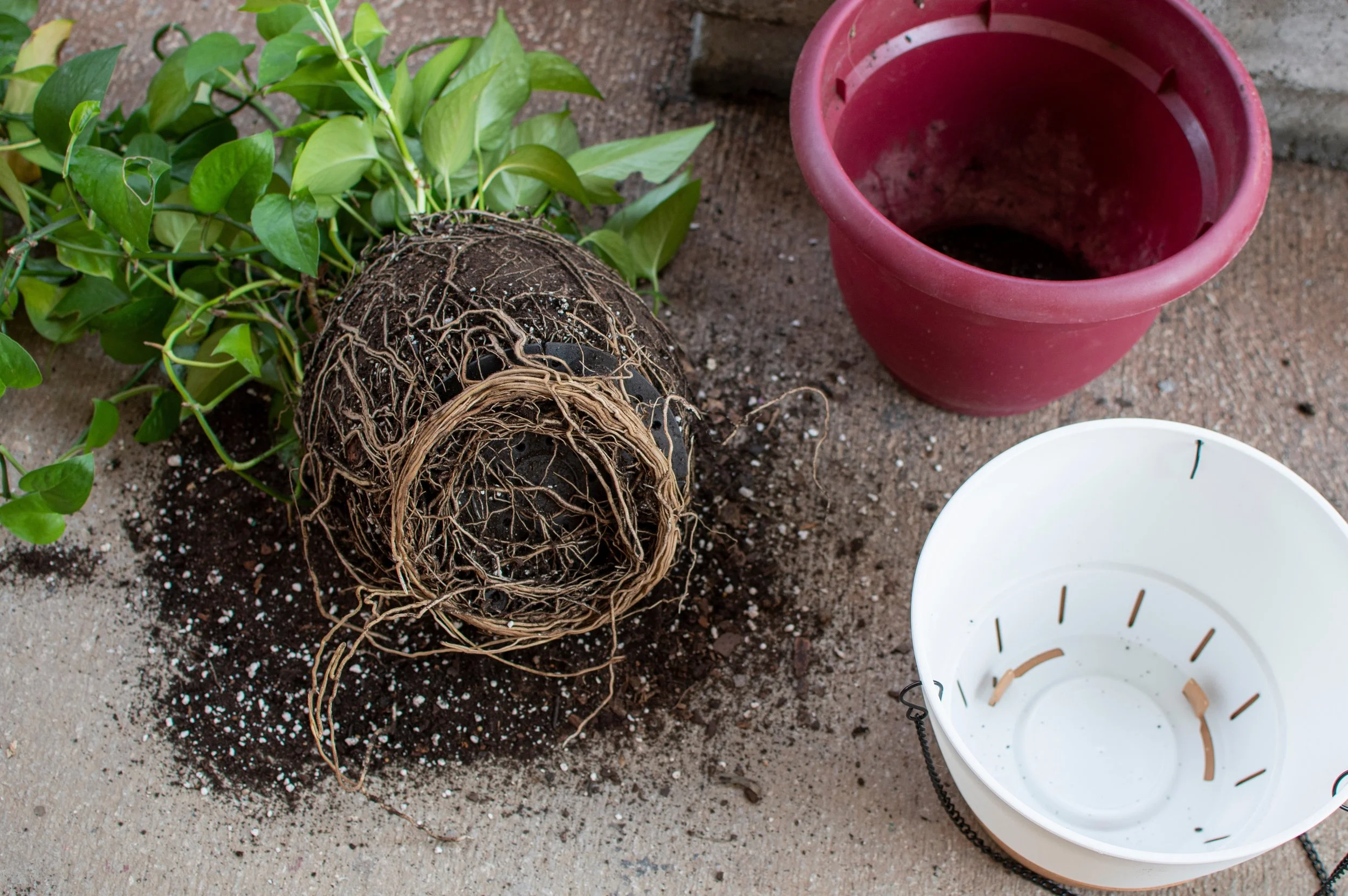
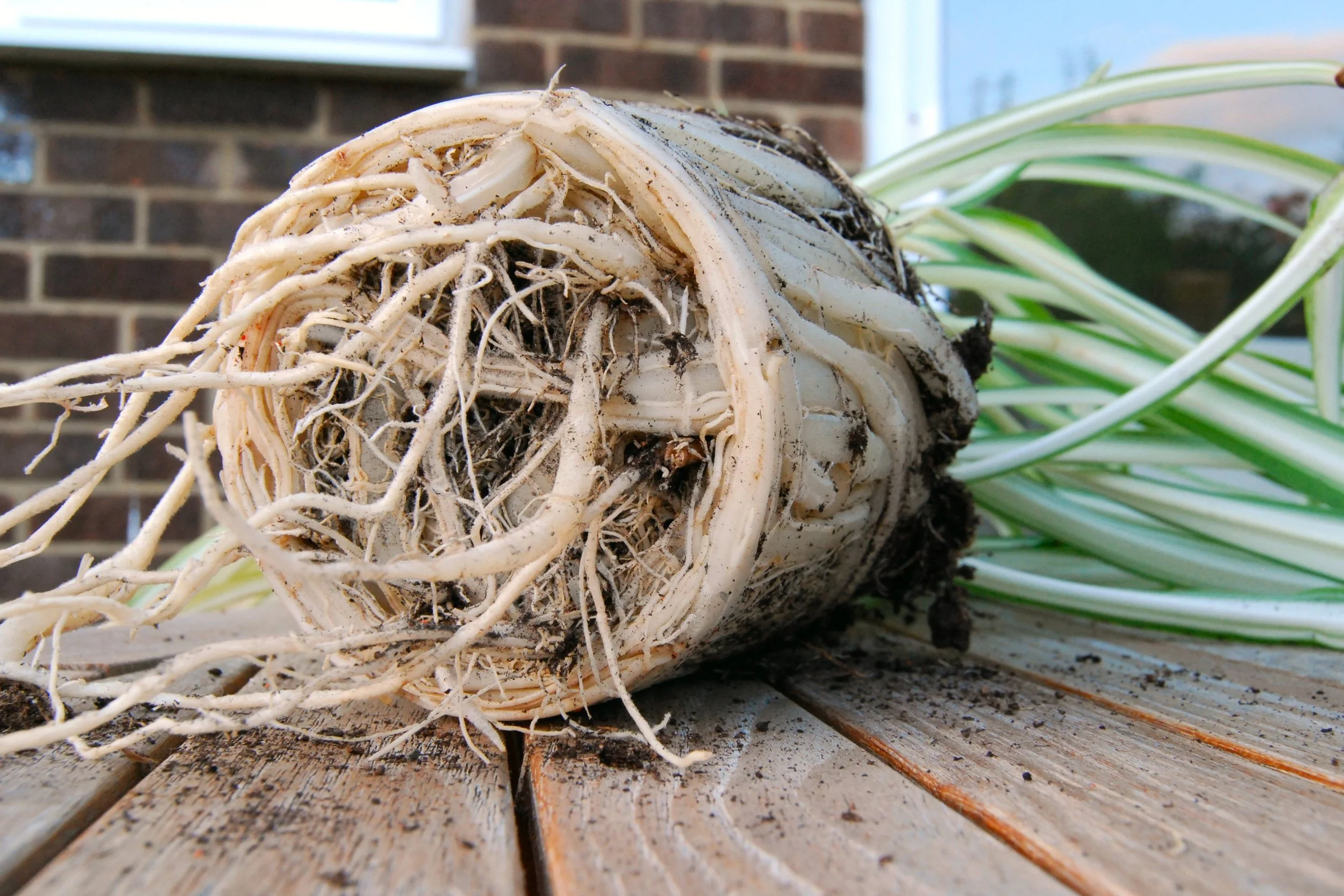
Root bound plants and soil devoid of air spaces lead to a slowdown of new root formation and consequently directly affects the ability to absorb water and nutrients.
The best solution is to add new soil. How you do this will depend on whether the plant is in a small or large container.
Small Container plants
Small potted plants are the easiest. One easy way is to repot them up into a larger container size. You could also just pull them out of the pot they are growing in, remove a few inches of soil and roots from the bottom, then add new soil with fertilizer and put it back in the same pot. Whichever way you choose try to accomplish this at least yearly.
Big Container plants
Big containers are a different story altogether. They are difficult to move around or lift the plants out of them to add soil to the bottom.
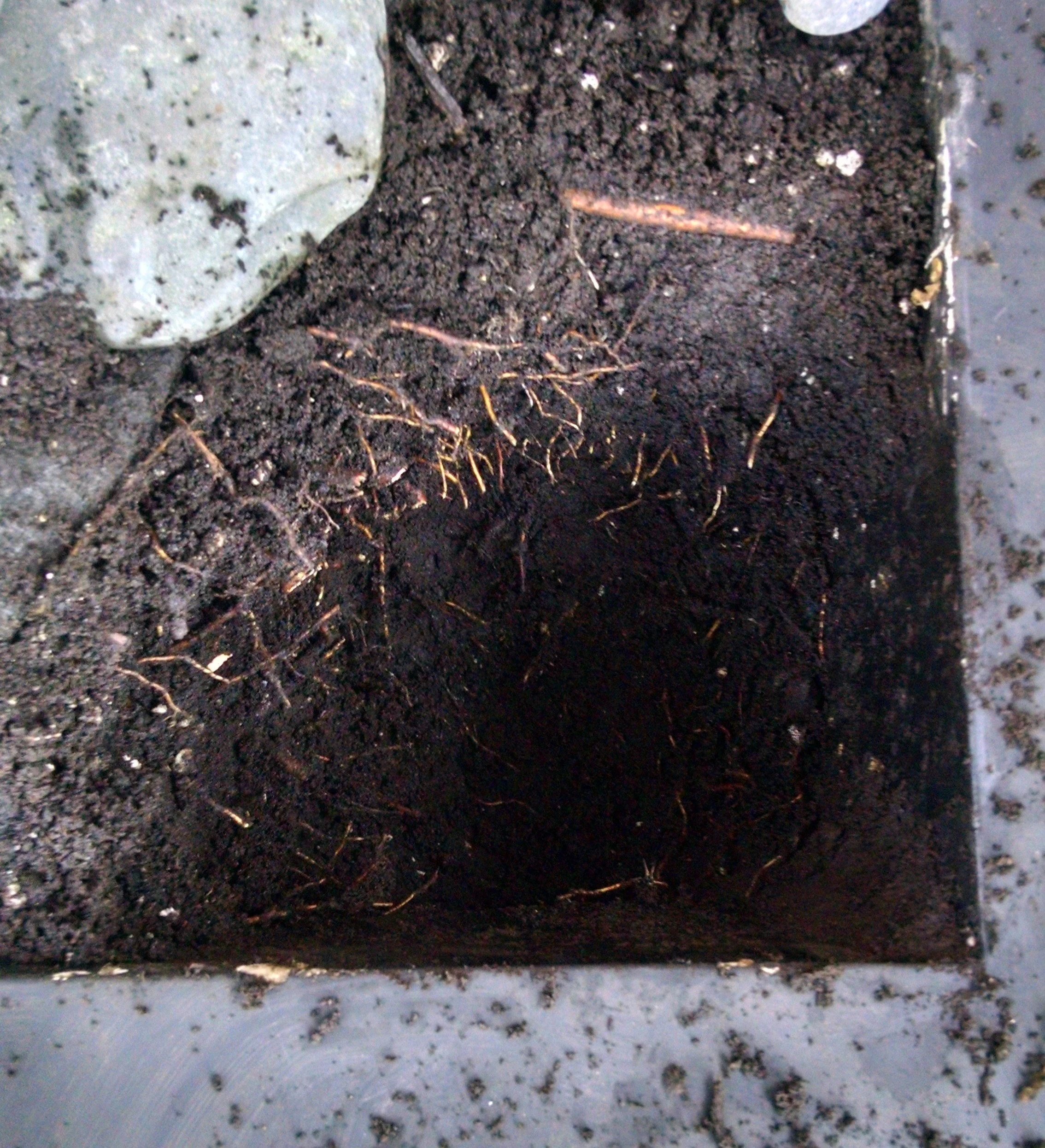
In these larger ones you need to dig several holes adjacent to the edges around the pot and remove the soil in a column down to about a foot or so deep. Into the empty space you add your new soil with fertilizer. Your goal is to remove at least 20% of the soil volume every time you do this.
Repeating this once or twice a year while rotating the different spots in the planter you make the holes in will ensure most of the soil gets replenished every year. More importantly you are replenishing the soil where the plants need it the most – the edges ! This is where most new root formation occurs.
We can help you with this one !
Call us !
PLANT SPECIALISTS
GREENING NEW YORK FOR OVER 53 YEARS !
Article written by our Staff Horticulturist, Peter B Morris, BSc, MSc, MBA
All photographs used with permission @SHUTTERSTOCK