Introduction
If you want roses in your garden - Start planning now ! Choose from the different growth and blooming habit types below.
Types of rose families
Old Garden Roses
Old indeed – these have been around since before 1867. Double-flower blooms, strong-scented fragrance, but they only bloom once per season. They have evolved with the advantage of being extra hardy and disease resistant.
Sample: Louise Odier
Wild Roses
Considered the wildflower type of rose, typically have a single bloom with a five-petal flower. They are almost always pink, rare to find a red or white, and a yellow is super rare.
Sample: Rosa palustris
Modern Garden Roses
These were bred after 1867, offer continuous bloom, a larger bloom size, with a longer vase life. Unfortunately, they typically lack a fragrance, are less hardy, and disease resistant. You will find them in the groups below.
Rose groups
Climbing Roses
Climbing roses are not a type of rose but more of a description of how they grow. They usually dont quite like a vines – more like a “rambling” or cascading. The canes grow upright but require support. In general, they actually produce more flowers when grown horizontally rather than vertically. Most are repeat bloomers.
Sample: Peace
Hybrid Tea Roses
Big, bold, ornate blooms that sprout from long stems and reach anywhere from 30-50 petals. Always a showstopper. Thousands of hybrids have been bred – its astonishing.
Sample: too many to show
Grandiflora Roses
Considered a subgroup of hybrid tea roses and grandiflora, they form showy blooms that appear in clusters - each consisting of three to five blooms. Overall, they are larger and taller than hybrid teas.
Sample: Happy Go Lucky
Floribunda Roses
Floribunda form a large cluster of flowers that are in a continuous bloom for much longer. Also much easier to care for and offer practically a hands-free experience.
Sample: Moondance
Polyantha Roses
Similar to floribunda roses but tiny! A shorter plant with smaller blooms - perfect for edgings and hedges. Prolific blooming season that lasts from spring to fall. Hardy, low-maintenance and disease-resistant qualities.
Sample: China Doll
Miniature Roses
A form of the hybrid tea – these grow between 15-30 inches.
Sample: Sun Sprinkles - sorry no picture !
Shrub Roses
Shrub roses go wide and large between 5 and 15 feet in every direction. Tough as nails and able to withstand harsh winters. One subcategory is the David Austin English Rose.
English/David Austin Roses
More commonly called David Austin roses after the British rose breeder, these roses come in hundreds of varieties. Quite popular among consumers and retailers alike, these rosette-shaped roses have the scent of an Old Rose variety, and also a continuous blooming as well as a broad range of colors like that of Modern Roses. David Austin roses are for more experienced growers and gardeners, as they are susceptible to diseases and less hardy, which takes more maintenance and attention.
Sample: Emily Bronte
Groundcover Roses
Groundcover roses have the best of many worlds. A vibrant color, graceful formation, lovely fragrance, and low-maintenance. Usually no higher than three feet, they are both disease- and pest-resistant and offer continuous flowering.
Sample: Scented Carpet
Alba Roses
As one of the oldest garden roses dating back to 100 A.D. they are tall bushes with blue-green foliage. One of the hardiest rose varieties, alba roses are disease-resistant, easy-to-maintain and can be planted and grown abundantly in both shade and colder climates.
Sample: Rosa rugosa Alba
Bourbon Roses
First introduced in France on the Île Bourbon in 1817. A cross between China and Damask roses, they feature full blooms in a variety of shades of white, pink and red. Bourbon blooms have a strong, heady fragrance, with repeated blooms all season long.
Sample: see Damask
Centifolia Roses
Centifolia roses, also known as “cabbage” roses, have blooms with thin petals that tightly overlap, offering a unique texture. Their blooms often grow so large and proliferous that they weigh down the stem and appear to droop and nod off to sleep. “Provence” roses are similar, named after where they were once grown.
With an exceptionally lovely scent, this specific rose variety is often used as an essential oil in perfumes and fragrances. However, it only blooms once in early summer.
Sample: Rosa centifolia
China Roses
A more exotic variety introduced to the Western world in the late 18th century. Often emitting a lovely fragrance in many colors, such as bright reds, soft pinks and cheery yellows. One of the most significant advantages of this hybrid rose lies in its resistance to diseases and its ability to have repeated blooms from summer to late fall. The one drawback to China roses is that their silky petals are quite delicate, needing protection during colder months and climates. The best way to grow these petite roses is in a small container, which you can bring inside at the end of the warm season.
Sample: Not hardy enough for NYC
Damask Roses
Damask roses are considered some of the most ancient roses, even originating in Biblical times. They are so old that there are two varieties: the Summer Damask and Autumn Damask, blooming in each season, respectively. The only difference is that the Autumn Damask (also called the four seasons damask) offers two blooms, both in the summer and fall. Damask roses come in a wide variety of colors, from bright silvery whites to deep pinks. Like the centifolia, Damask roses give off an exceptionally fragrant scent, which is extracted and used as an essential oil in perfumes and other scented items.
Sample: Rosa damaschena
Gallica Roses
Like the Damask rose, gallica roses are quite ancient. Some varieties even date back to the 12th century. Sometimes called the French or Provins rose, gallicas offer a lovely scent, which is used for perfumes. More notably, this rose’s unique petals have been used for antibacterial, astringent and tonic medicinal purposes.
In addition, gallica roses are found in many shades, such as pinks, reds, purples and even with a two-tone white stripe. Sadly, their beautifully layered, tightly clustered blooms can only be seen once during the summer. A hardier Old Garden Rose variety, gallicas are tolerant of shady areas and colder climates.
Sample: Rosa Gallica
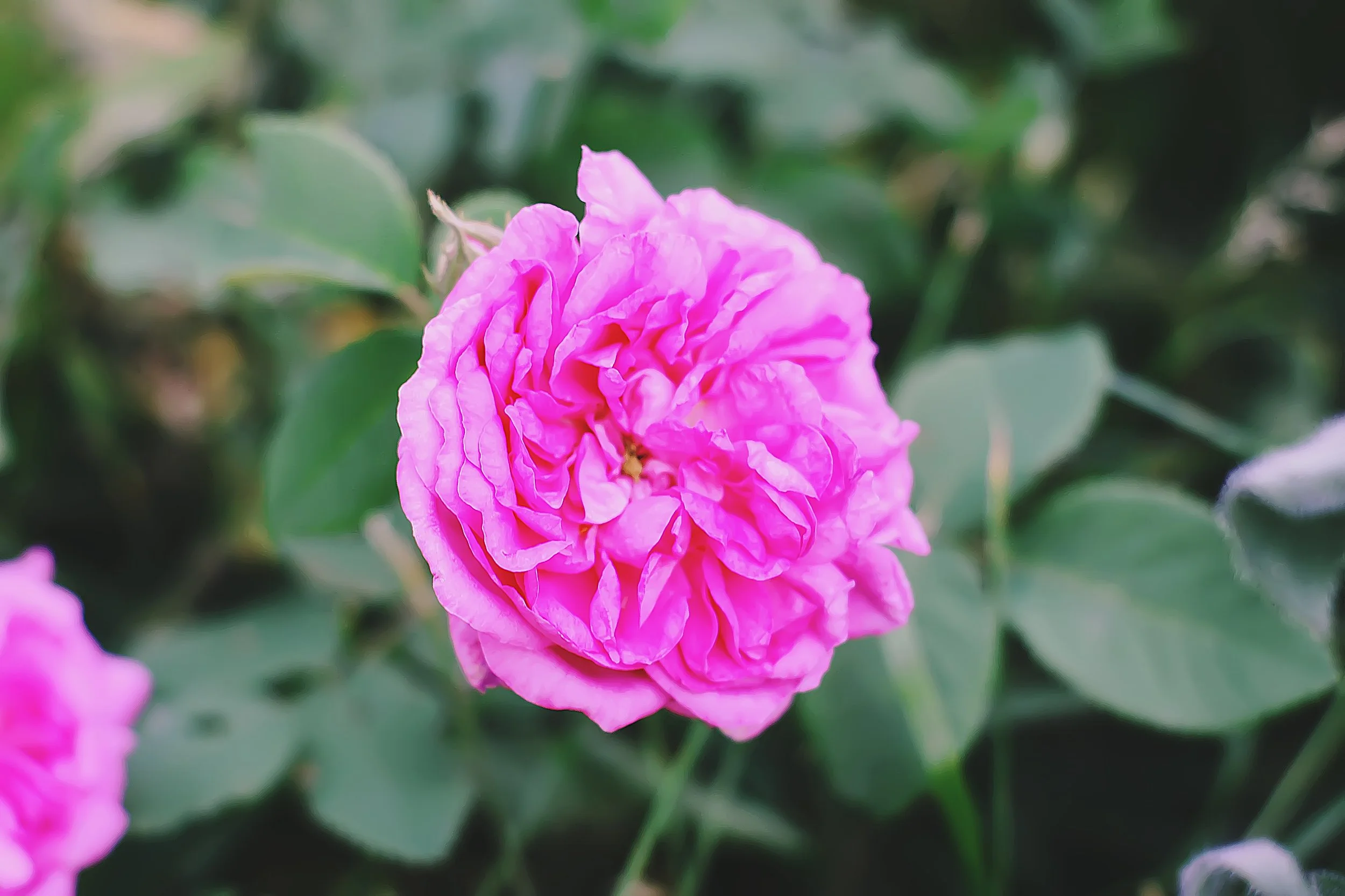
Louise Odier
Old Garden Rose
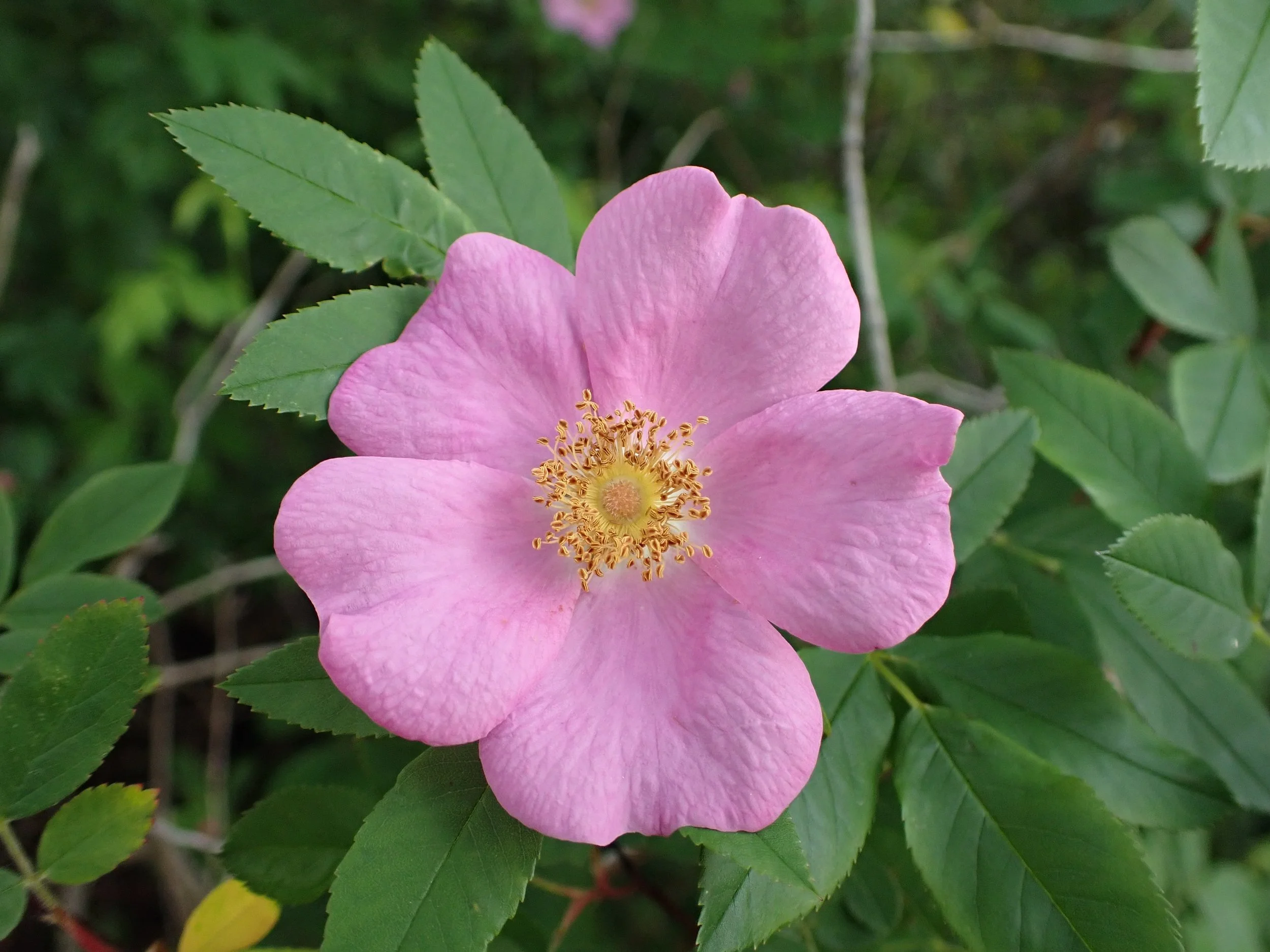
Rosa palustris
Wild rose or Swamp rose
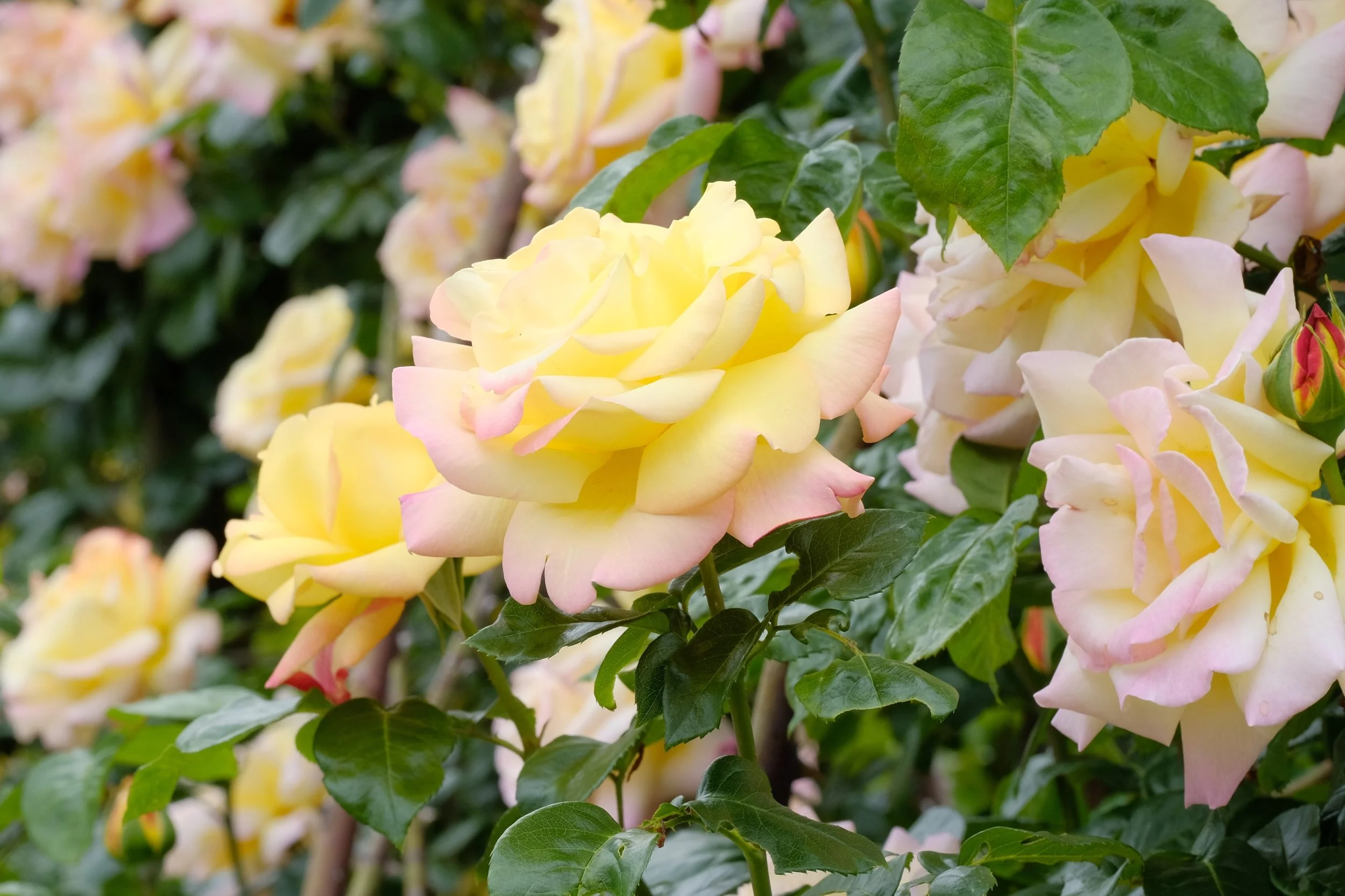
Peace climber
Pale yellow, creme and pink
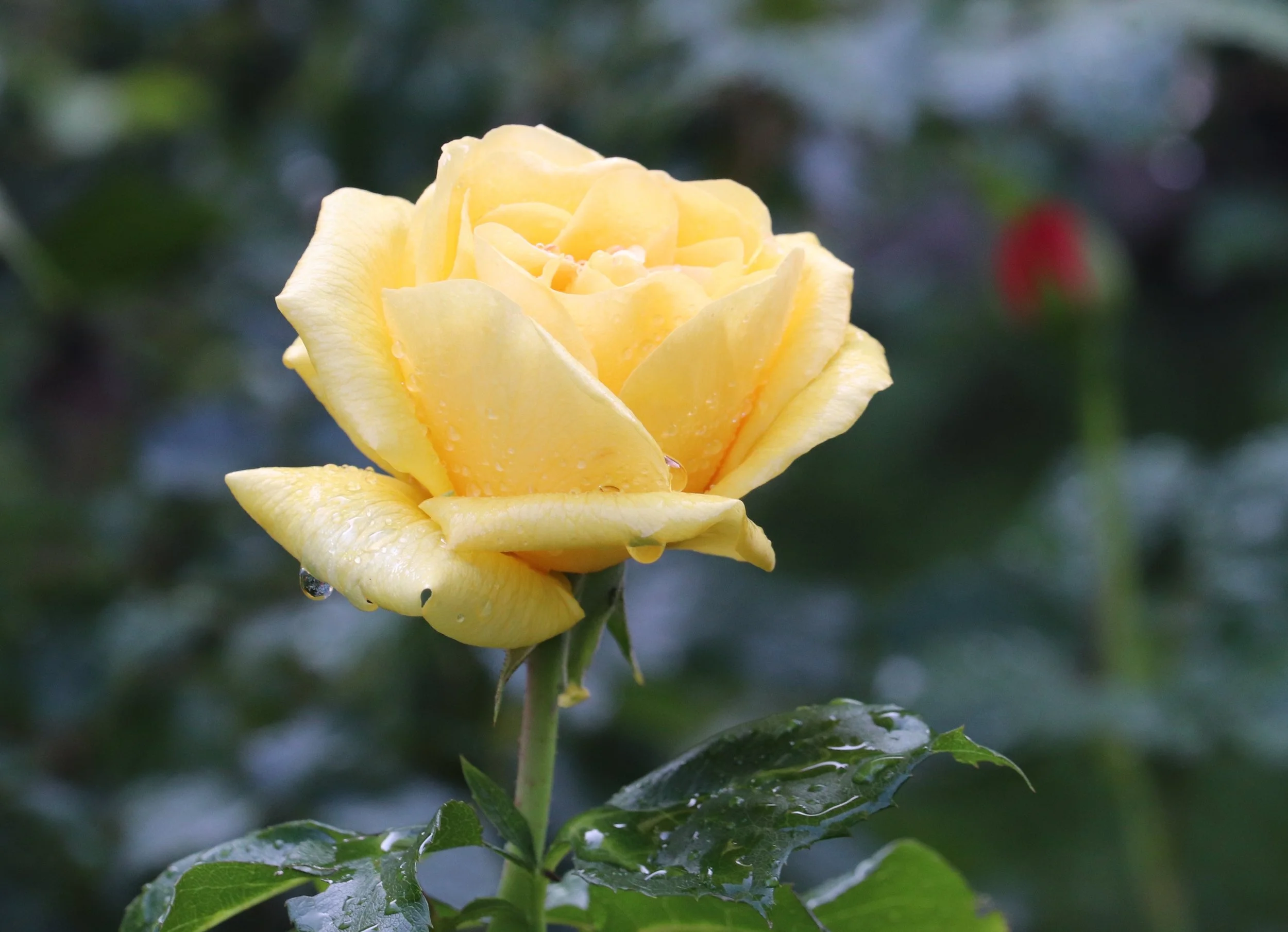
Happy Go Lucky
Grandiflora - large blooms - shrub
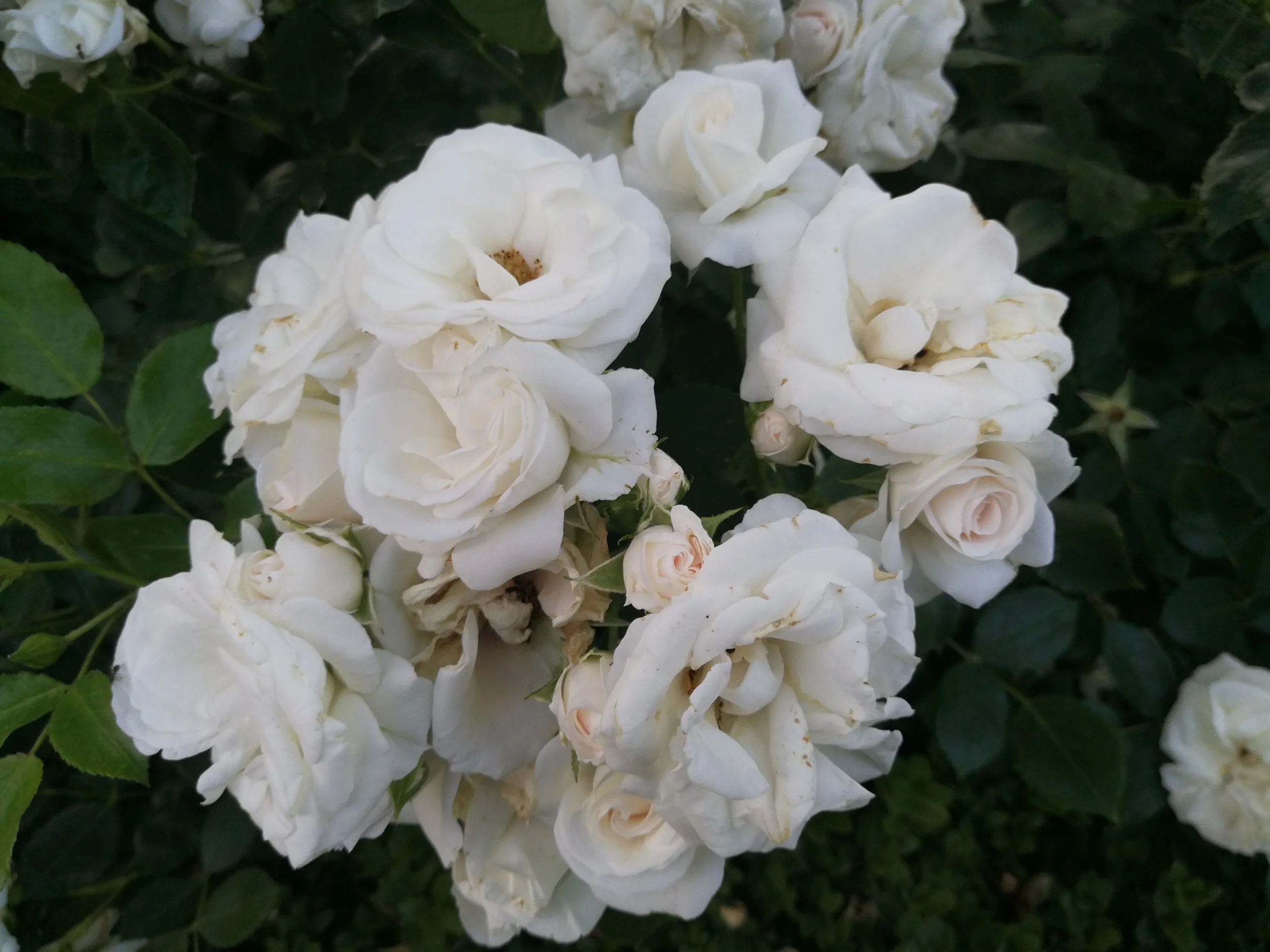
Moondance
Floribunda - big sprays
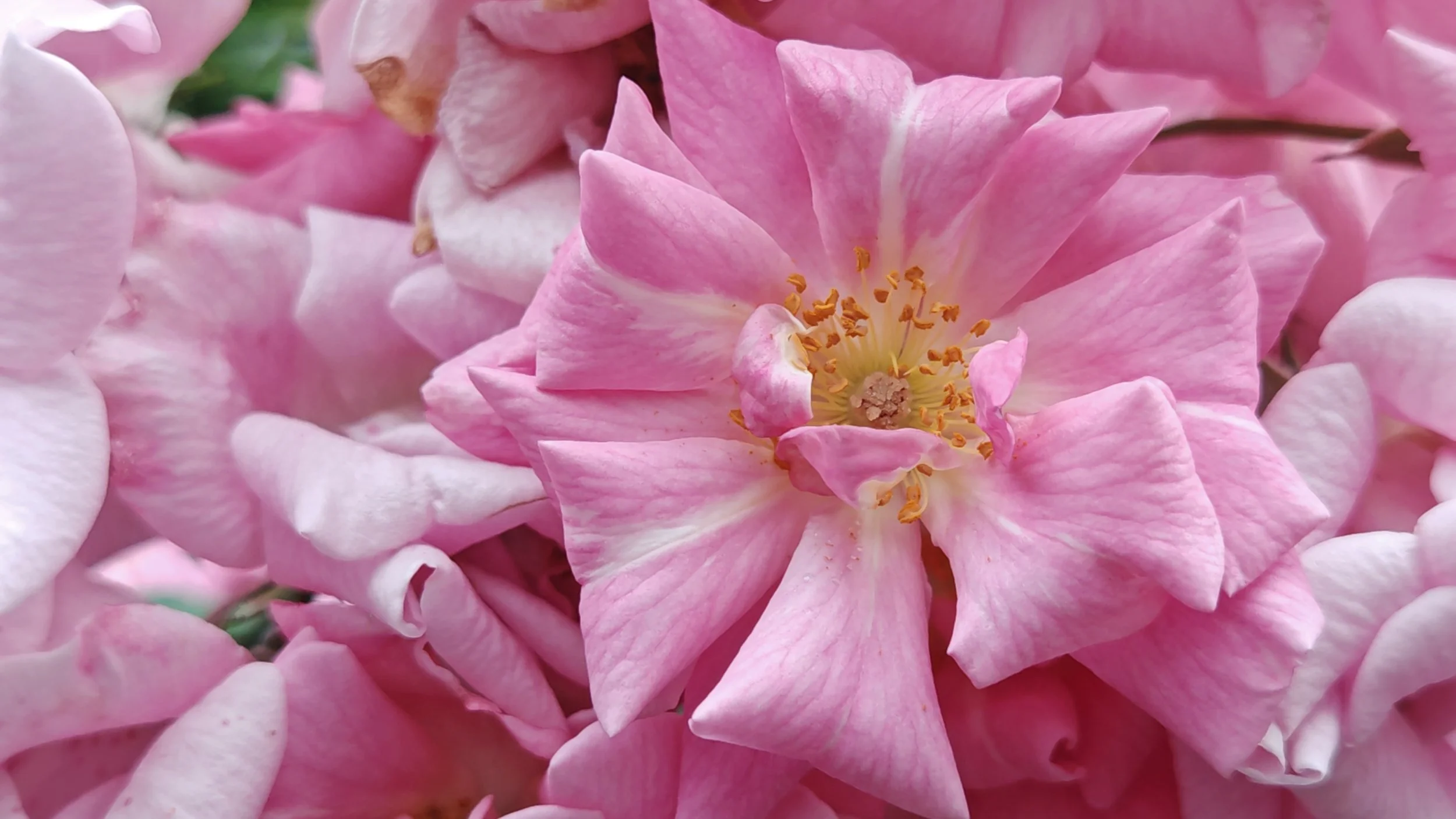
China Doll
Pale pink cluster on a tiny shrub
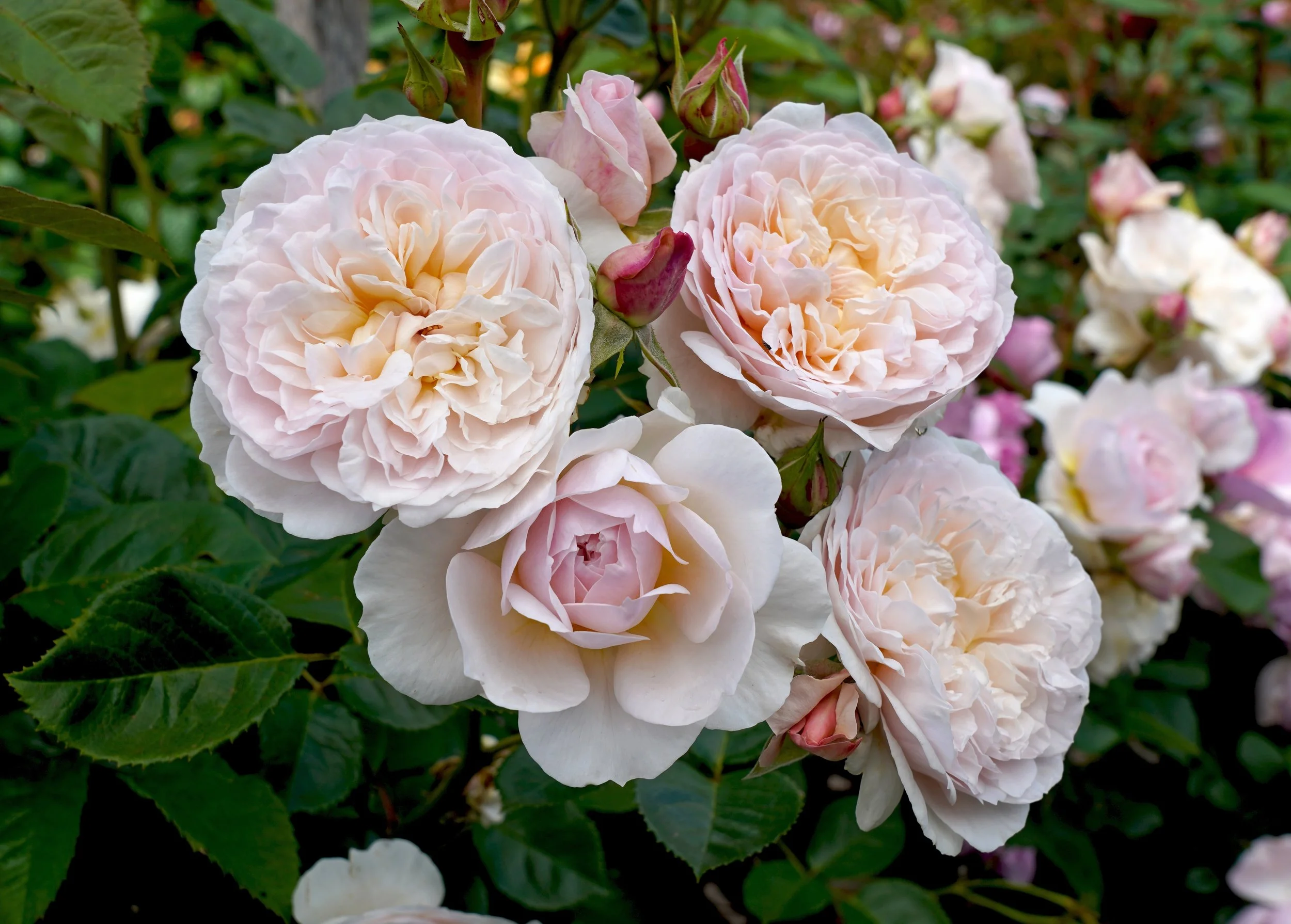
Emily Bronte
David Austin - large open blooms
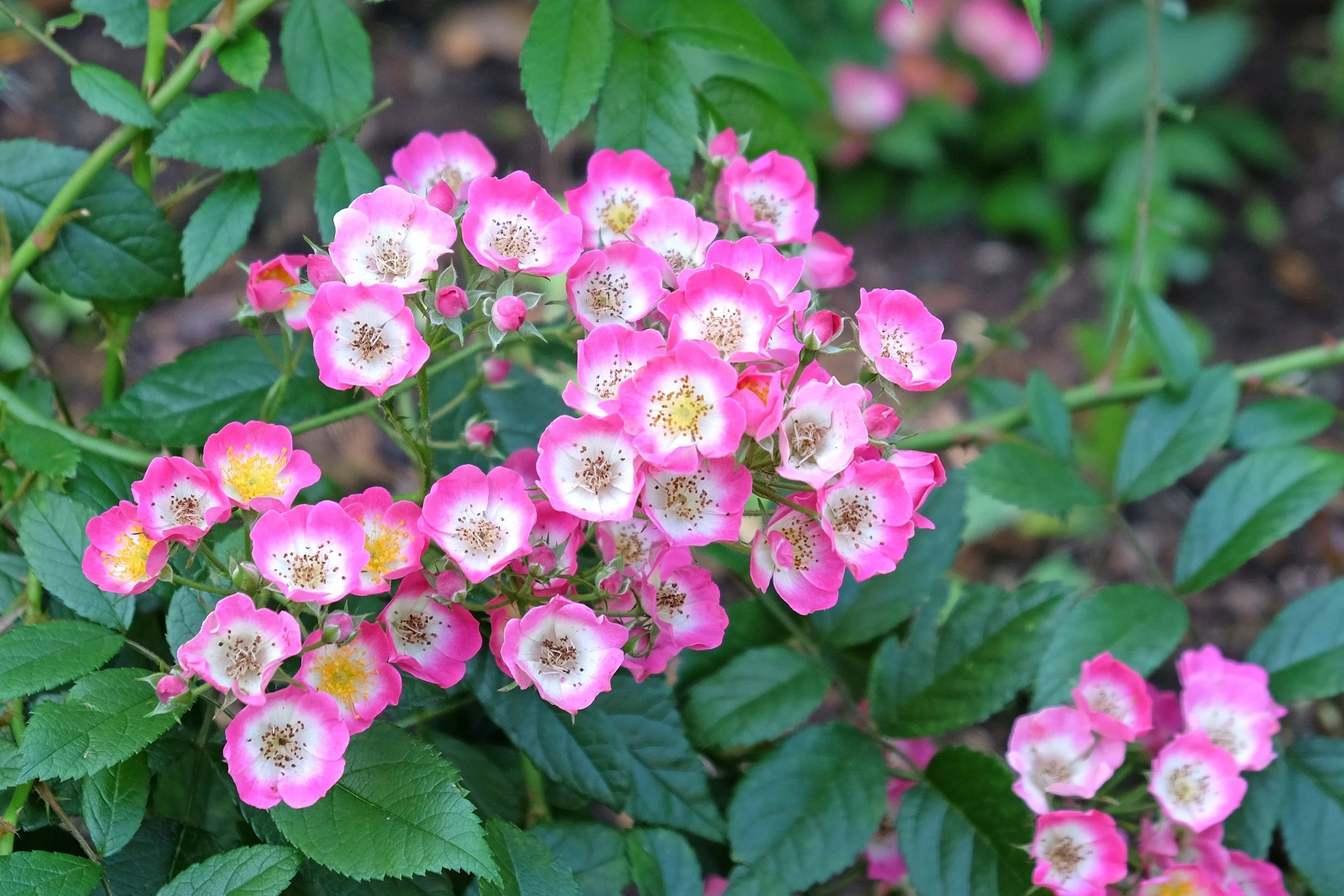
Scented Carpet
Groundcover Drift - large clusters
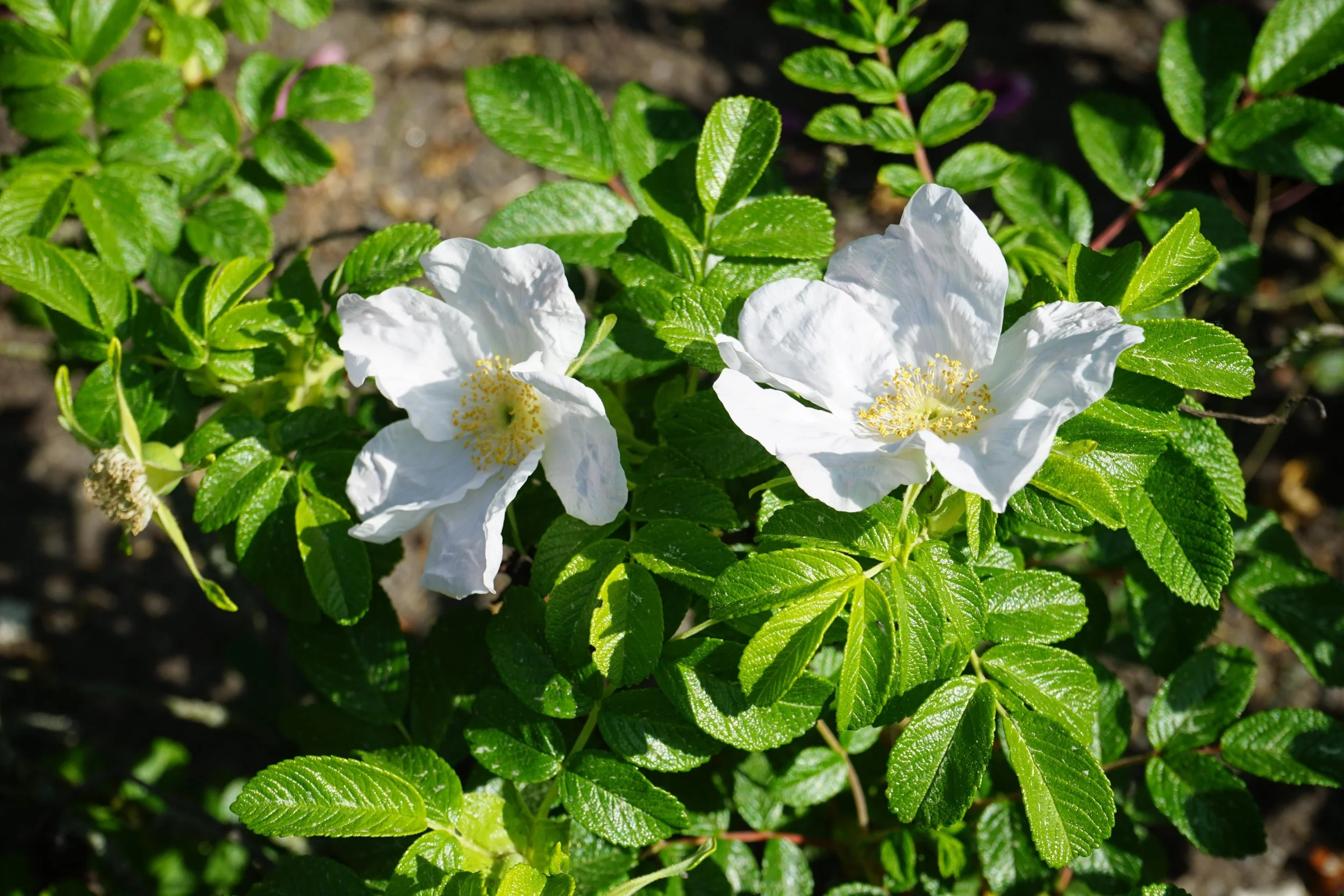
Rosa rugosa Alba
Hardy beach rose - ruffled clusters
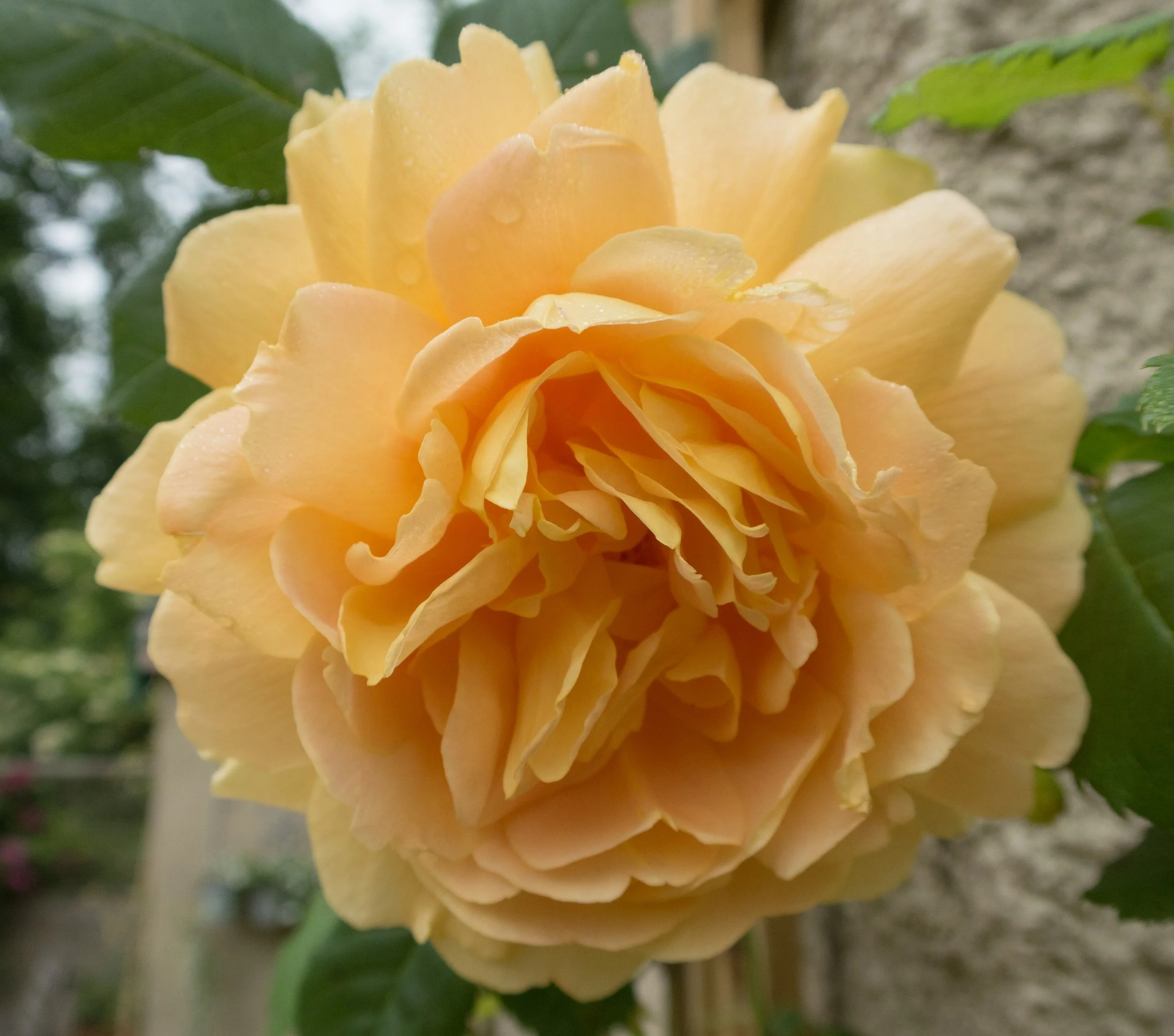
Rosa centifolia
Pale yellow - cabbage rose
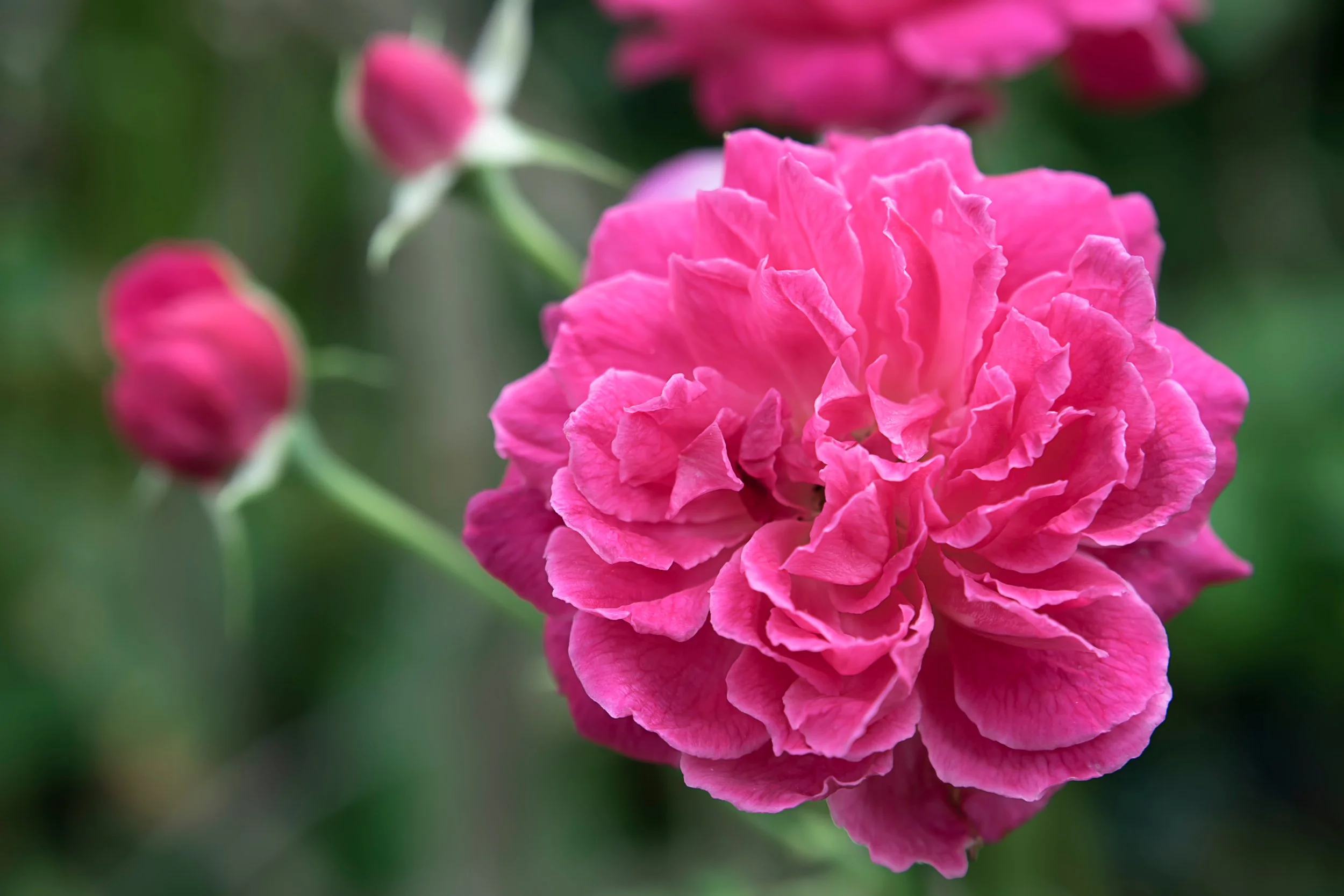
Rosa damschena
Fuscia pink - big fragrant blooms
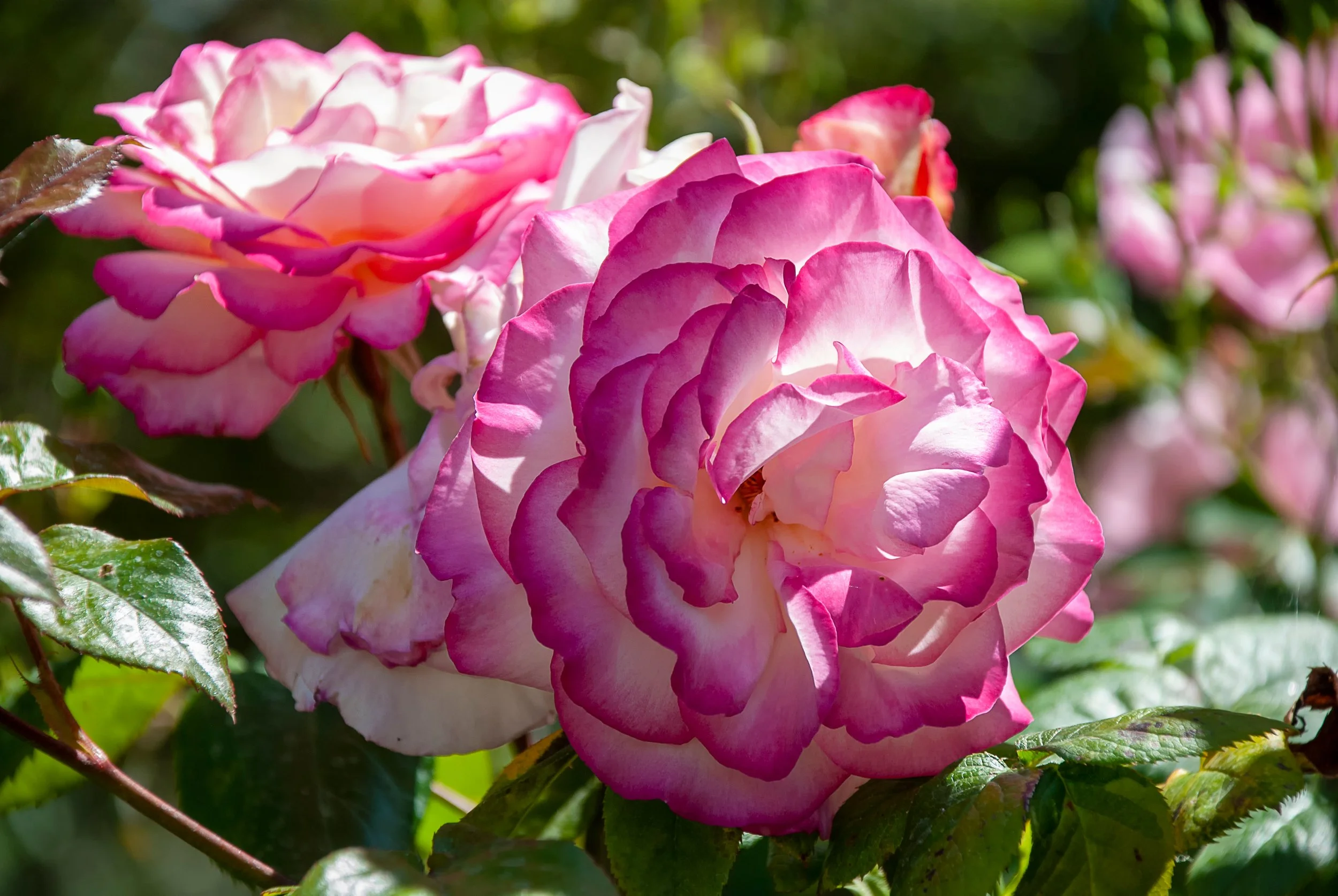
Rosa gallica
Pink - big chunky blooms
What is your favorite ?
Call us and let us know – we can plant them for you !
PLANT SPECIALISTS
GREENING NEW YORK FOR OVER 53 YEARS !
Article written by our Staff Horticulturist, Peter B Morris, BSc, MSc, MBA
All photographs used with permission @SHUTTERSTOCK